

"Solar generator" is really just marketing language for a large portable power station paired with solar panels — no fuel, no engine. For whole-house coverage, the honest answer is that these units cover your essential circuits well, not literally every outlet and appliance in the house the way a properly sized standby generator can.
What "whole house" means for a solar generator
Central AC, an electric dryer or an electric water heater running continuously will overwhelm even the largest portable solar generators — those loads belong to standby generator territory. What a large solar generator genuinely covers well: fridge, freezer, Wi-Fi, lights, medical equipment, a well pump, and even a window AC unit, indefinitely, as long as solar recharging keeps pace with use.
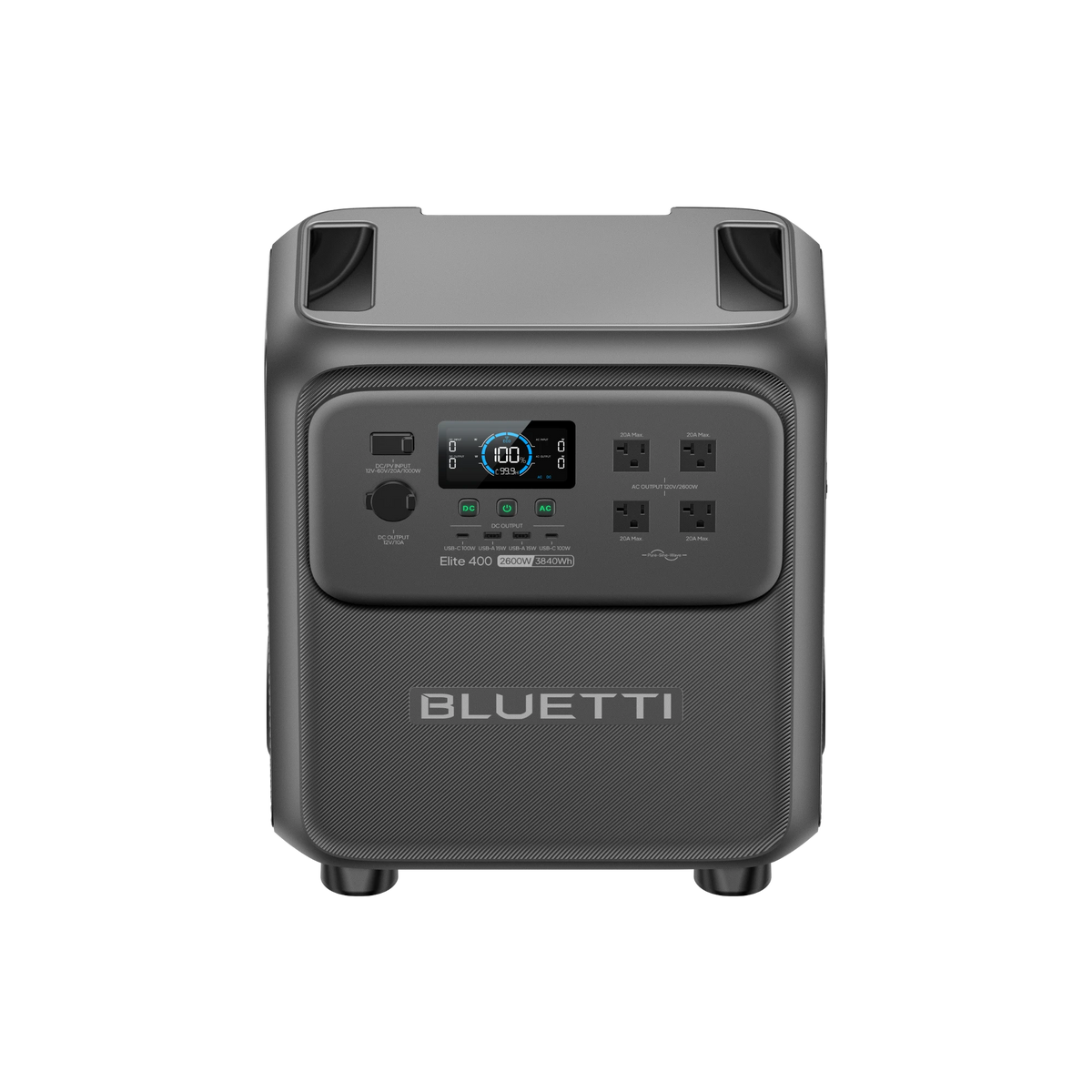
BLUETTI Elite 400: highest capacity of the two
At 3,840Wh, this is the largest-capacity portable unit in our current lineup — the deepest reserve for running essential circuits overnight before solar recharging picks back up the next day.
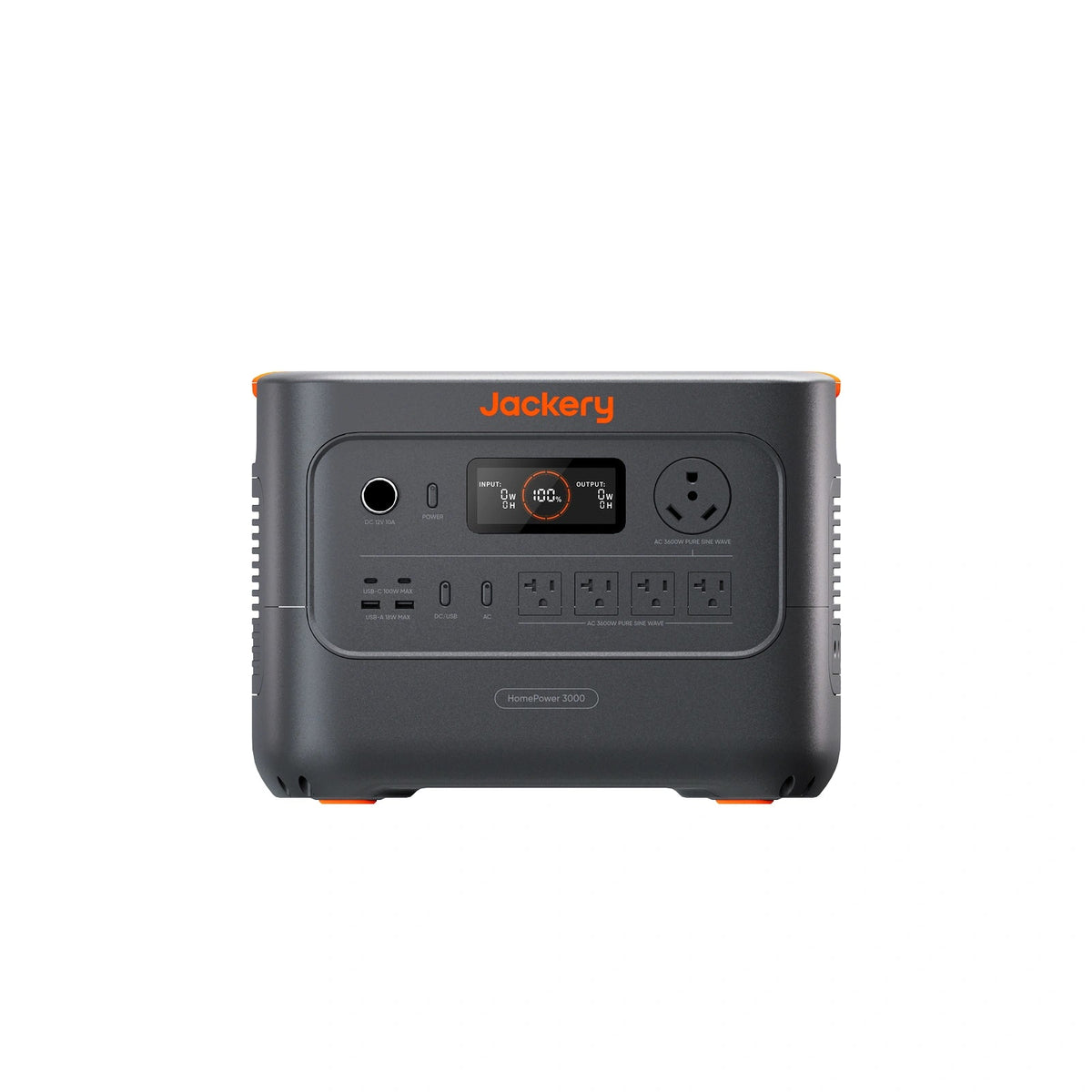
Jackery HomePower 3000: more continuous output
Slightly less capacity than the Elite 400 but more continuous output (3,600W vs 2,600W), which matters if your essential-circuit list includes something like a well pump or window AC that draws harder while running.
Sizing the solar side
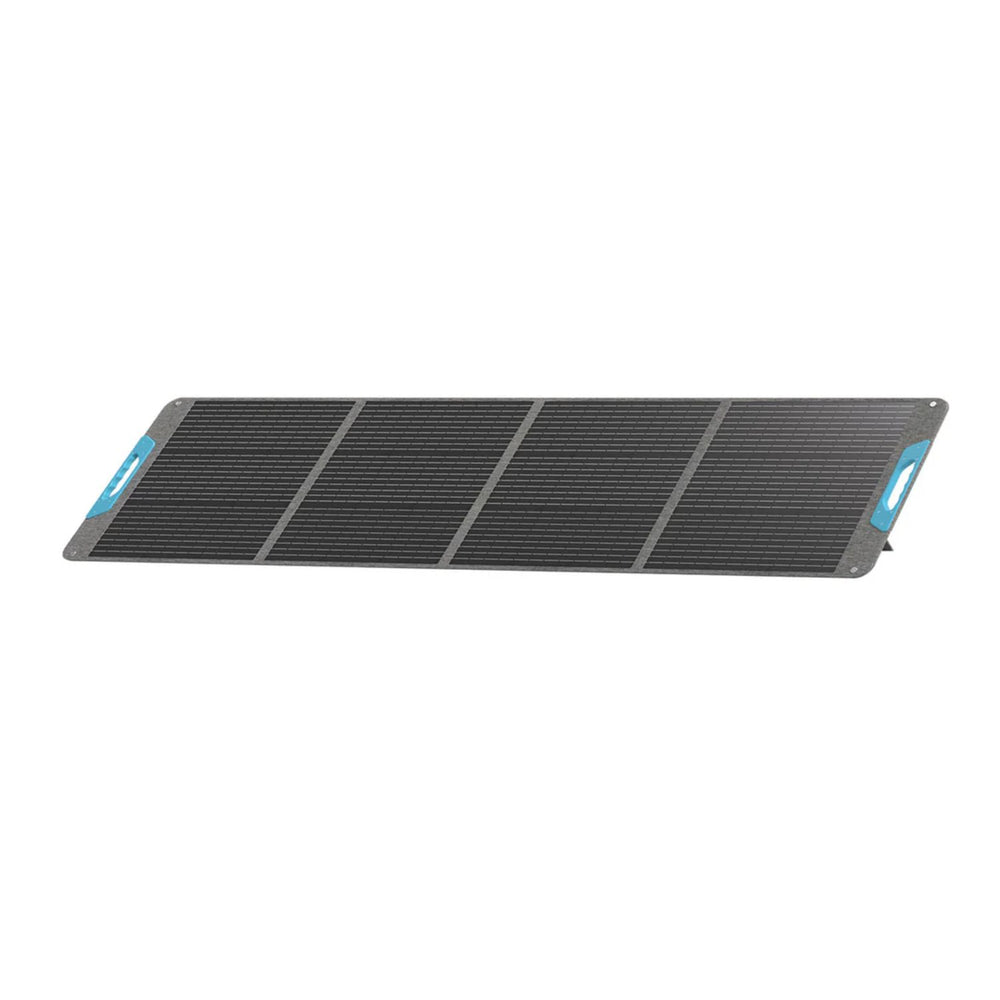
Match your panel wattage to how much you need to replace daily, not just to the unit's max solar input — our solar charging math guide walks through that calculation. For sustained daily use rather than emergency-only backup, plan on 400W+ of panels to keep pace with a household's fridge-and-basics load.