

Shop Picks
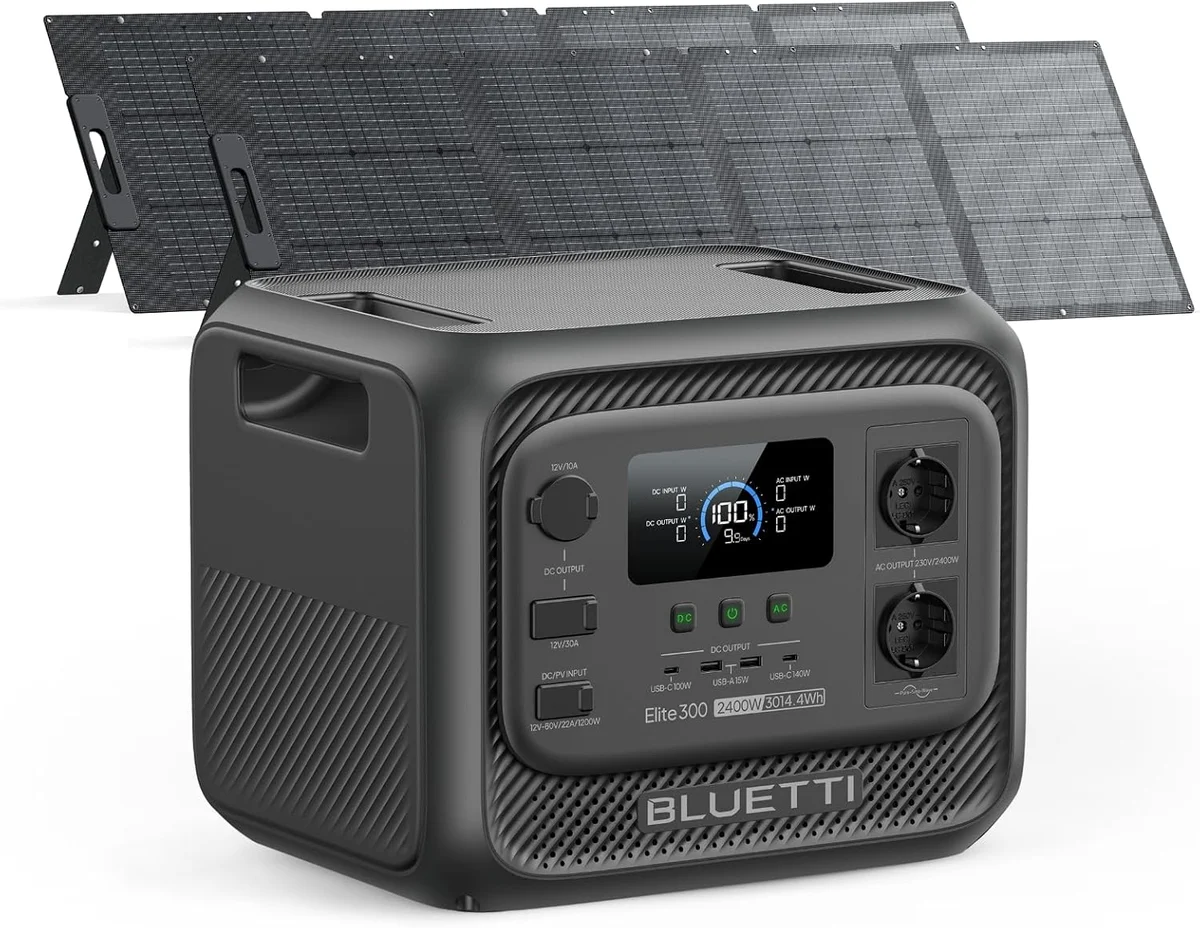
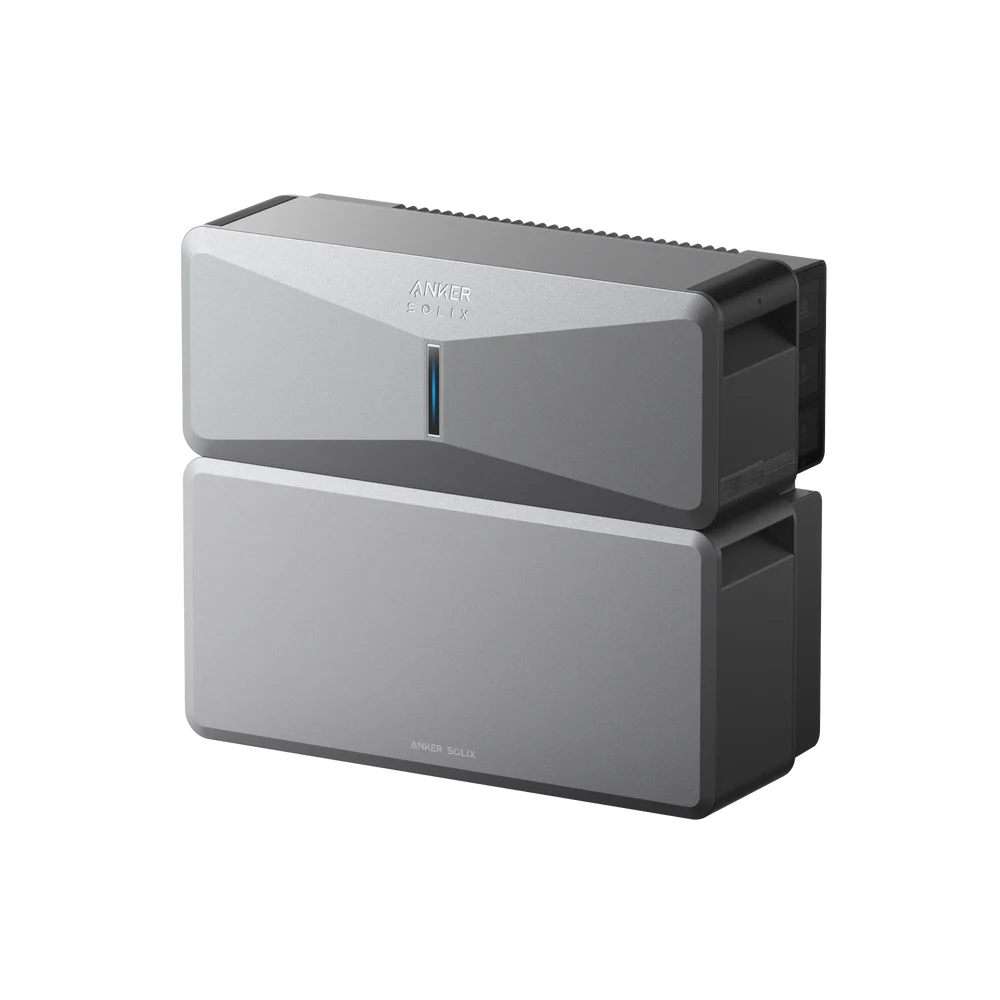
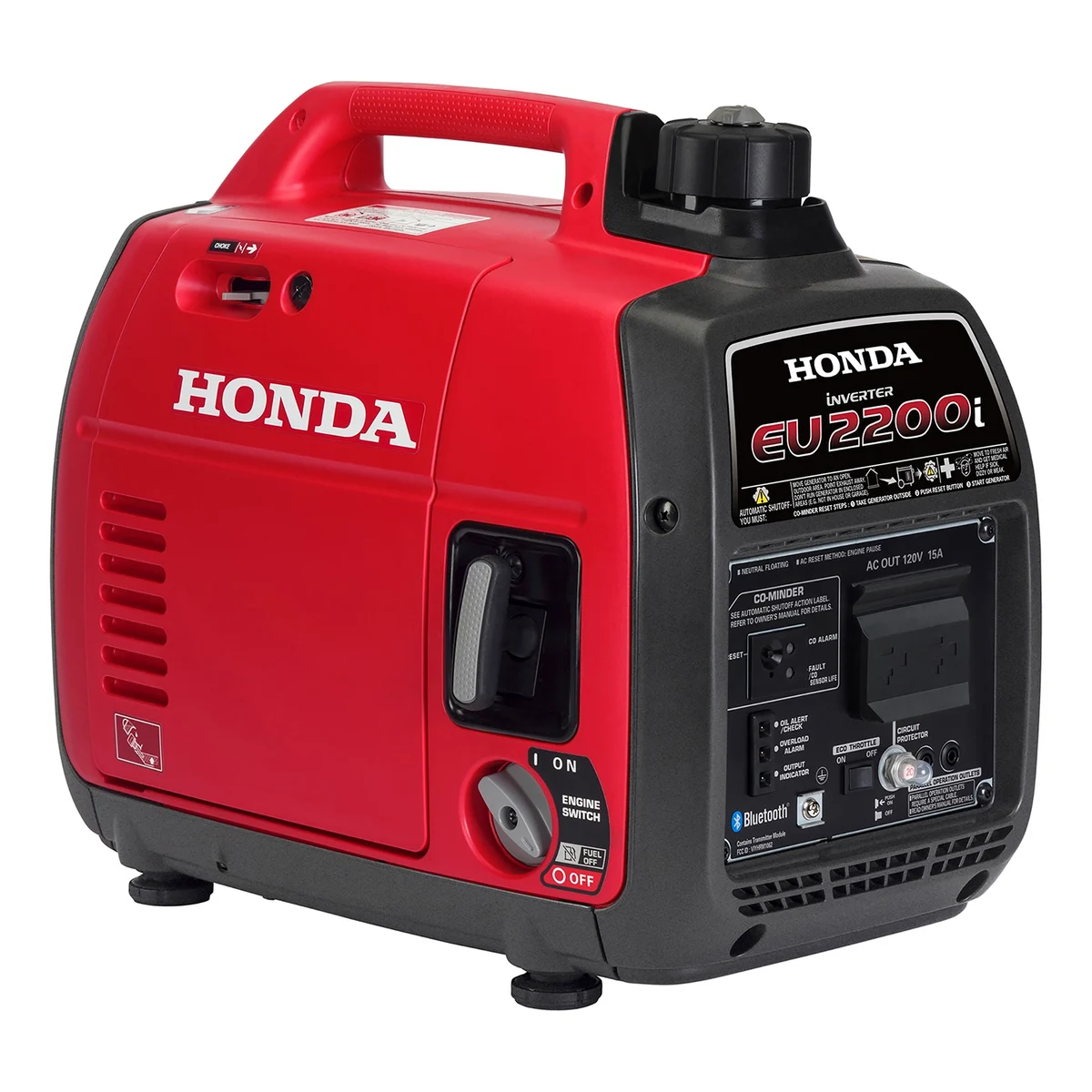
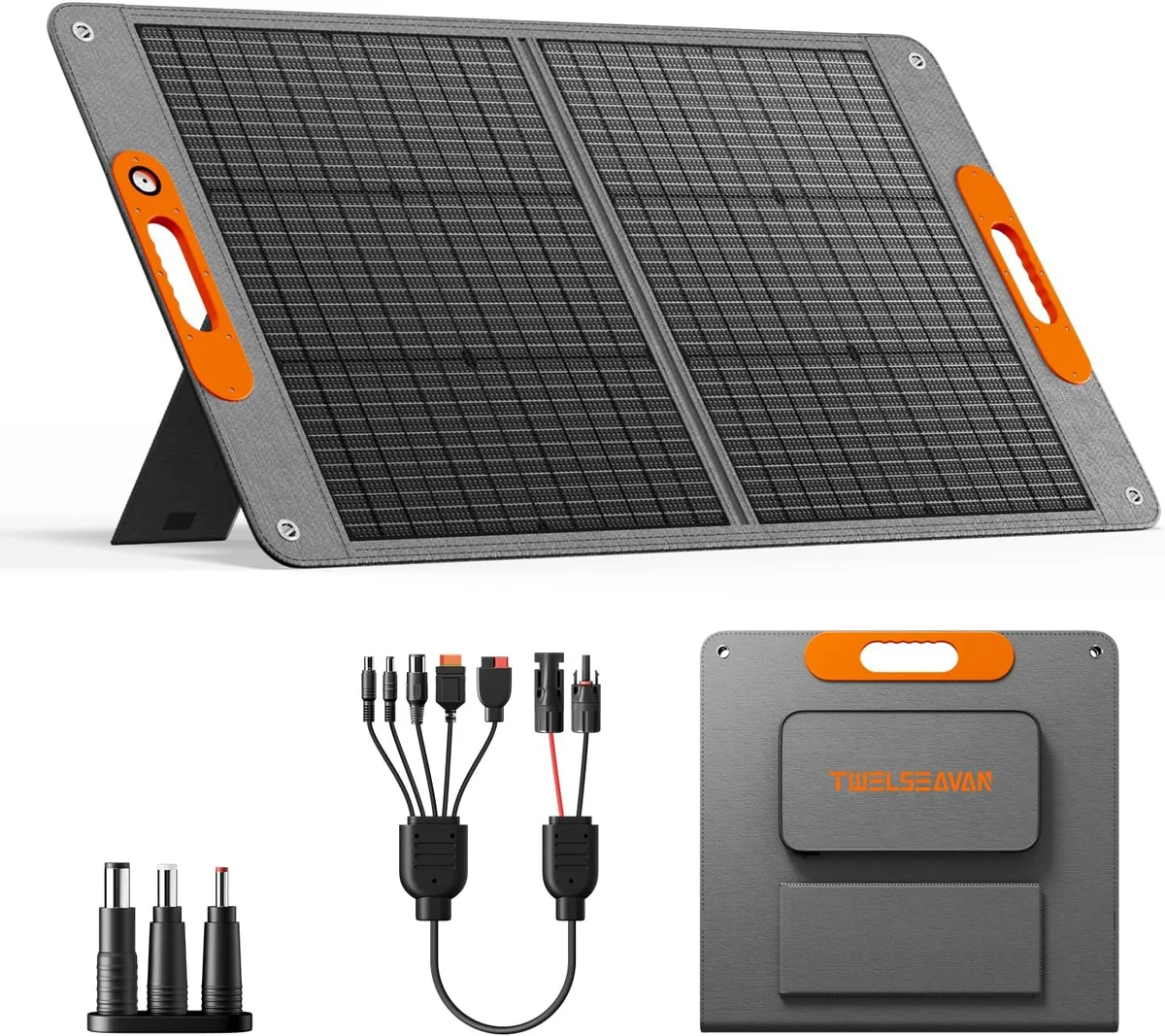

Which category do you actually need?
Most people arrive knowing the outcome they want — the fridge stays cold, the CPAP runs, the well pump works — and not which kind of product delivers it. The six categories above solve overlapping problems at very different prices, and the honest answer usually comes down to three questions.
How long does it need to last?
For outages measured in hours, a portable power station is almost always the right answer: silent, safe indoors, no fuel to store or stabilise. Past a day or two, stored energy runs out and something has to replace it — either fuel, which means a generator, or sunlight, which means solar panels feeding the battery back up. Multi-day outages are where the two categories stop competing and start complementing each other.
Does it need to be automatic?
A portable unit needs someone home to plug things into it. A whole-home battery system or a standby generator is wired into the panel and transfers on its own, which matters a great deal if the house contains a freezer, a sump pump, or anyone who cannot manage extension cords. That convenience costs several times more and requires a licensed electrician, a permit and an inspection.
Are you building a system or buying a product?
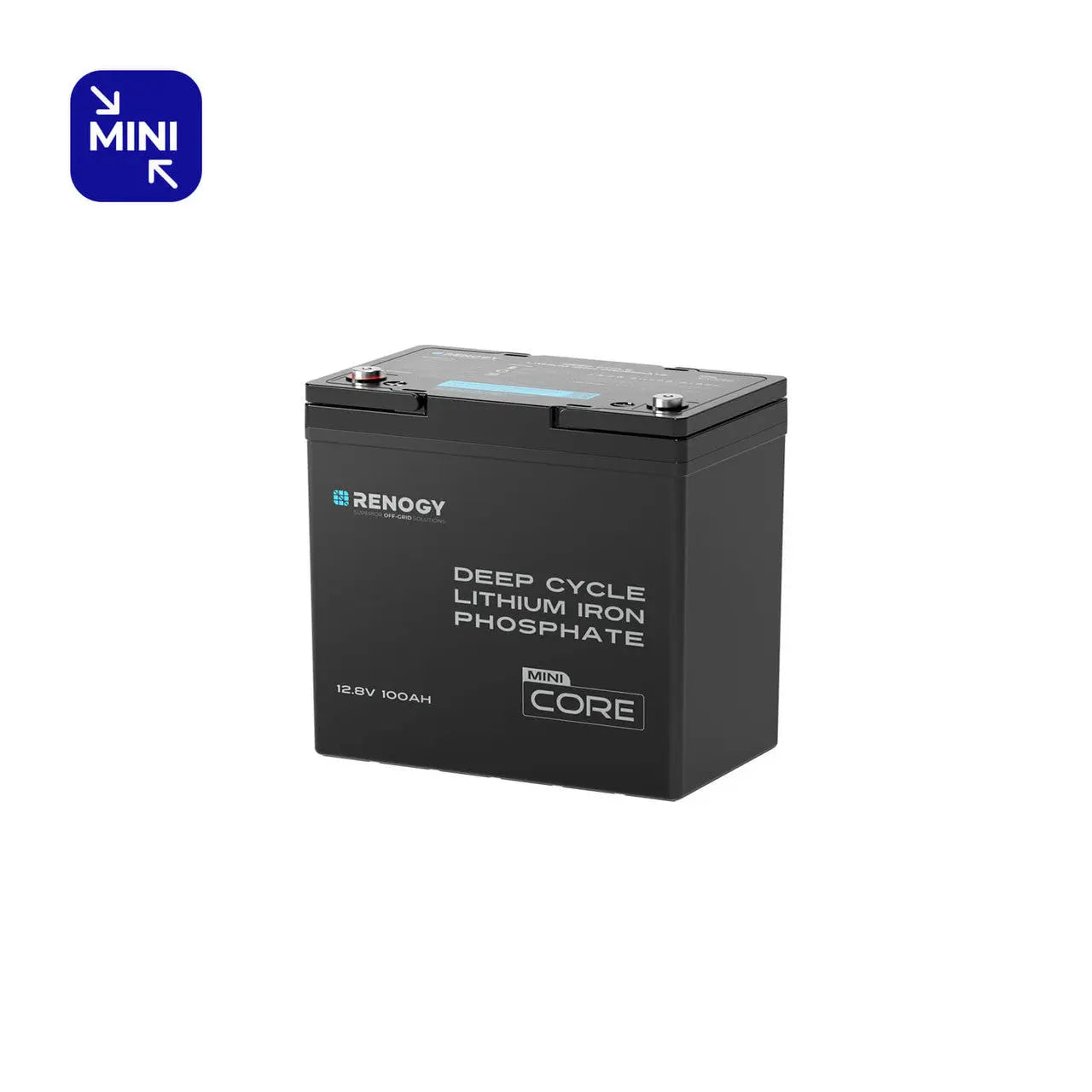
Bare LiFePO4 batteries are components, not appliances: you supply the inverter, the charger and the wiring. They make sense for a van, boat or off-grid shed where you are designing the whole thing, and very little sense as a first purchase for a house. If that is the direction you are heading, our system builder walks through the components in the order you buy them.
One thing that is not optional
If you own or are buying a fuel generator, a carbon monoxide alarm belongs on the same order. Generators must run outdoors and at least 20 feet from the building, exhaust pointed away from doors, windows and vents — never in a garage or on a porch, even with the door open. The accessories category also carries watt meters, which are how you find out what your appliances actually draw rather than what the label claims.
How these listings work
Specifications come from the manufacturer’s documentation rather than from retailer listings, which are frequently wrong about capacity and surge ratings. Prices are what we last verified at the retailer and move constantly, so treat them as a guide and check before buying. Some links earn us a commission, which never changes what appears here or in what order — see our affiliate disclosure and editorial process. If a figure looks wrong, tell us and we will correct the data set.