

Solar panel wattage and power station capacity use the same units, which makes this math more approachable than it looks — but real-world sun conditions mean the "rated" numbers on a panel's box are the ceiling, not the everyday reality.
The basic formula
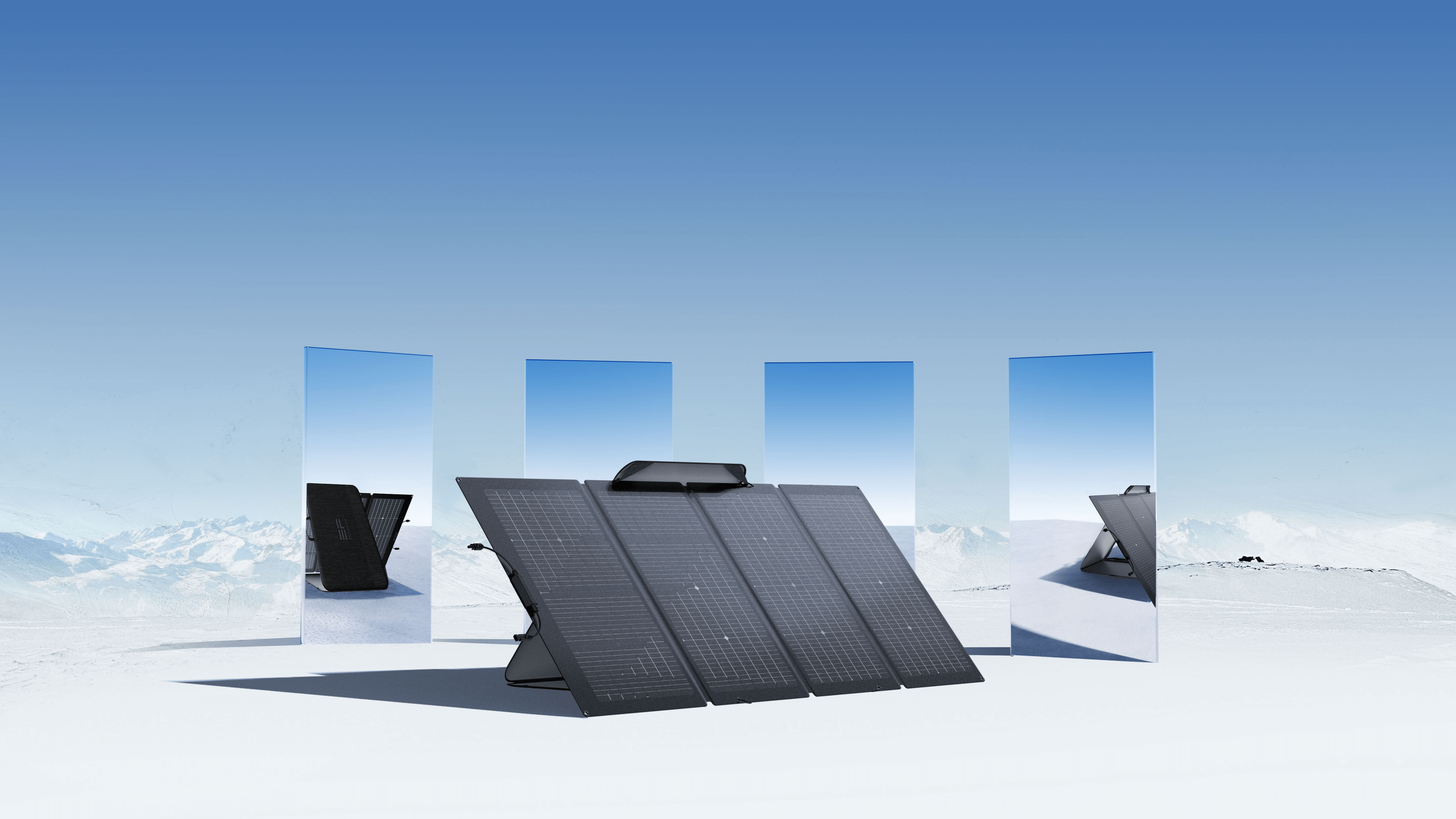
A solar panel's wattage rating (100W, 200W, etc.) is its output in perfect, direct, overhead sun. Multiply that by realistic "peak sun hours" for your location and season (typically 4-6 hours/day even on a clear day, accounting for the sun's angle through the day) to estimate daily watt-hours produced — then apply a 20-30% real-world derate for panel angle, temperature, dust, and charge-controller losses.
| Panel setup | Rated output | Realistic daily output (4-5 sun hrs, derated) |
|---|---|---|
| 1× 100W panel | 100 W | 250-350 Wh/day |
| 2× 100W panels | 200 W | 500-700 Wh/day |
| 1× 200W panel | 200 W | 500-700 Wh/day |
| 3-4× 100W panels | 300-400 W | 800-1,300 Wh/day |
How long to recharge common power station sizes
| Power station | 1× 100W panel | 2× 100W panels | 400W panel array |
|---|---|---|---|
| 500 Wh | ~1.5-2 days | ~1 day | Under half a day |
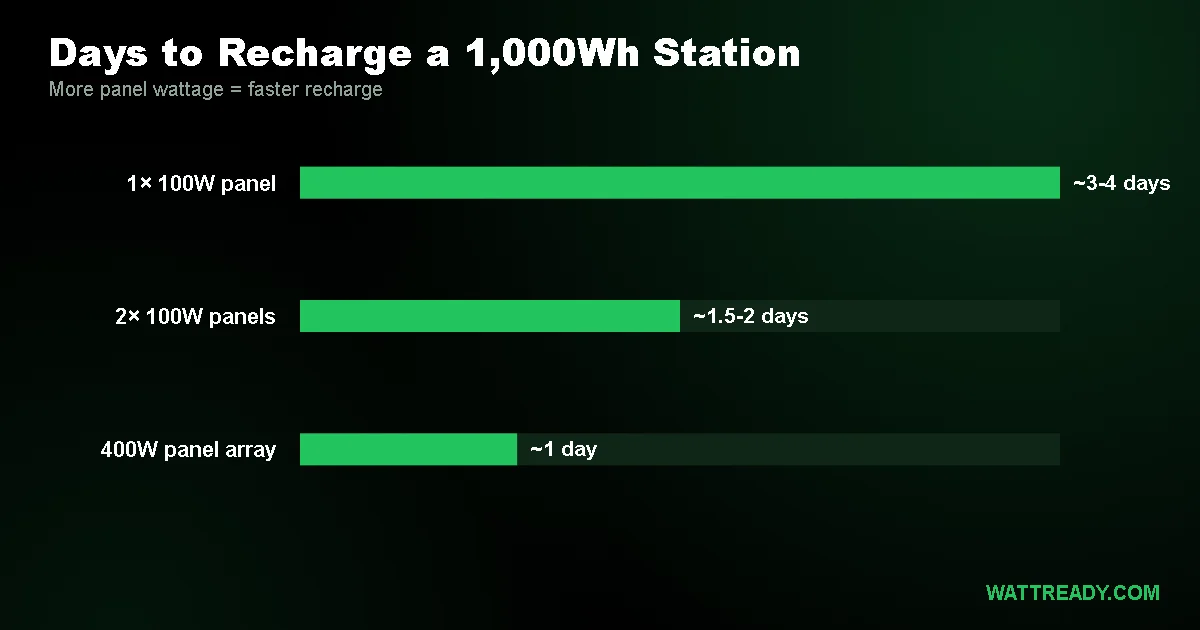
| 1,000 Wh | ~3-4 days | ~1.5-2 days | About 1 day |
| 2,000 Wh | ~6-8 days | ~3-4 days | ~1.5-2 days |
The practical takeaway: one small panel is a slow trickle-charge, useful for extending runtime during a multi-day outage, not a same-day full recharge. If solar is your primary recharge plan rather than a backup to wall power, size the panel array to roughly match your daily usage, not just "however much fits on the roof of the van."
Matching panels to your power station's input limit
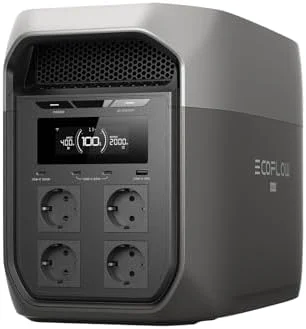
Every power station has a maximum solar input wattage — pairing panels that exceed it wastes their extra capacity, since the power station simply caps the incoming charge. Check your specific model's solar input spec (commonly 100-1,000W+ depending on tier) before buying panels, and size your appliance list with our free wattage calculator first so you know what capacity you're actually trying to keep charged.