

Seventy-two hours is the standard emergency-planning window, and it is where solar sizing stops being an annual-average question and becomes a critical-loads question. The most common and most expensive mistake is sizing a backup system against whole-home consumption — because during an outage you are not running the whole home.
Step 1: size critical loads, not total usage
An average home runs about 30 kWh a day. Critical loads during an outage are usually 4 to 8 kWh a day. Sizing to the whole-home figure overbuilds by roughly four times, and battery capacity is the most expensive component in the system.
| Critical load | Running watts | Effective hrs/day | kWh/day |
|---|---|---|---|
| Refrigerator (cycles on and off) | 150 W | ~8 | 1.20 |
| Chest freezer | 100 W | ~6 | 0.60 |
| LED lighting, 6 fixtures | 60 W | 5 | 0.30 |
| Wi-Fi router and modem | 15 W | 24 | 0.36 |
| Phone and laptop charging | 60 W | 3 | 0.18 |
| CPAP machine | 40 W | 8 | 0.32 |
| Well pump | 1,000 W | 1 | 1.00 |
| Furnace blower (winter) | 800 W | 4 | 3.20 |
| Total (winter, well + furnace) | ~7.2 kWh | ||
| Total (summer, no furnace) | ~4.0 kWh |
Two numbers matter here, not one. The kWh column sizes your battery. The running-watts column — specifically the largest simultaneous combination, plus the surge of whatever motor starts under that load — sizes your inverter. A well pump drawing 1,000W running can spike to 3,000W on startup, and an inverter sized to the daily average will shut down the first time it kicks on.
Step 2: multiply by three, then decide how much solar contributes
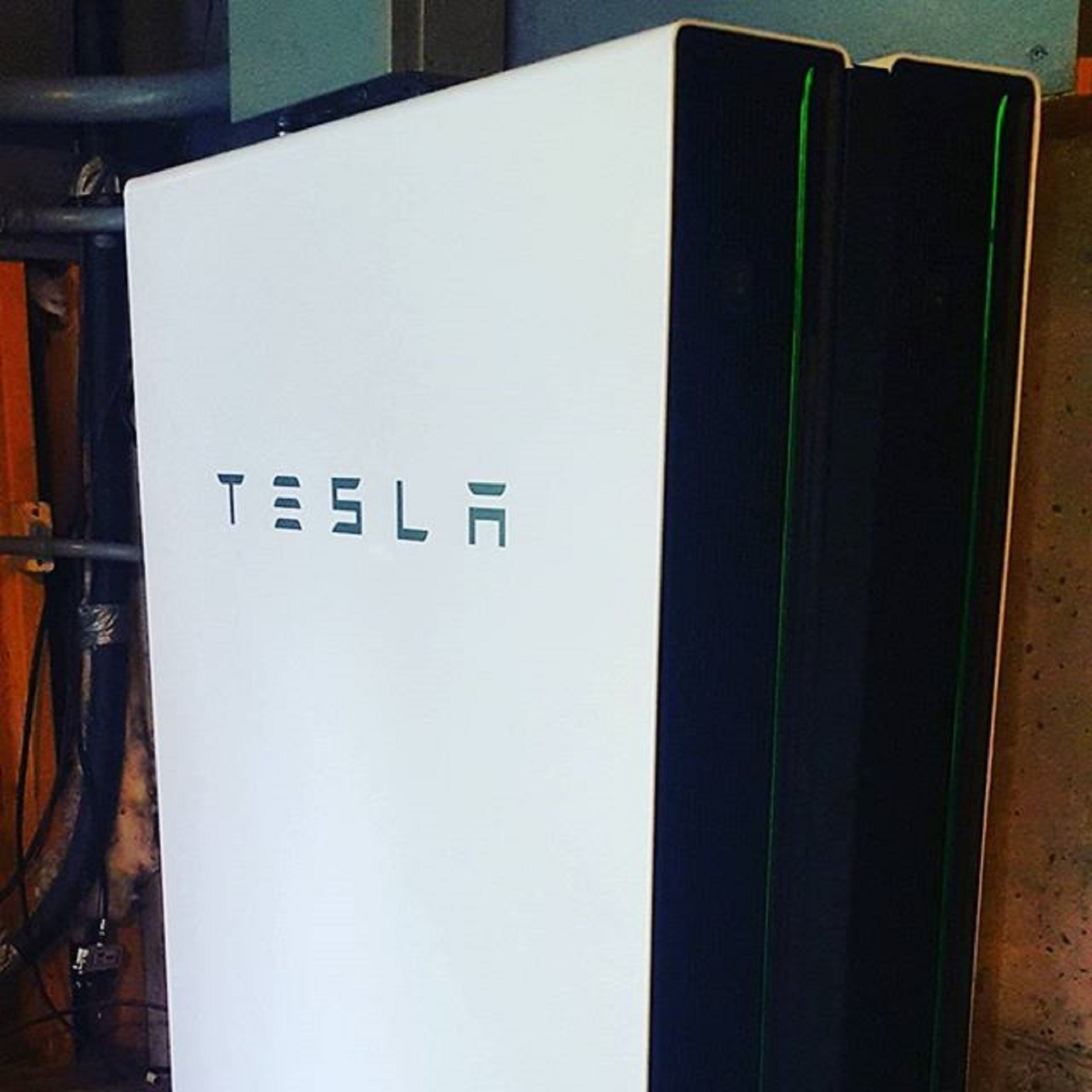
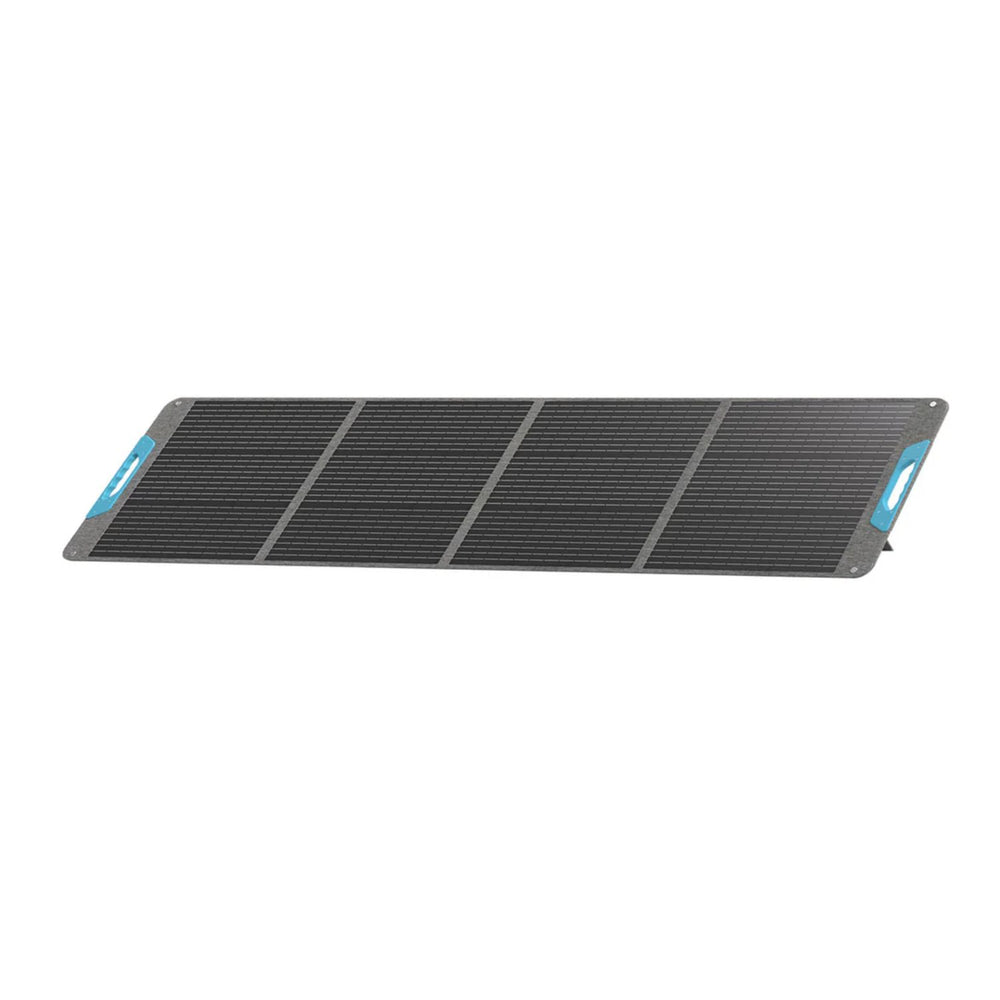
7.2 kWh × 3 days = 21.6 kWh of usable battery for a solar-free 72 hours. That is two Powerwall-class units or a substantial DIY bank, and it is expensive. Adding solar changes the shape of the problem entirely: the battery no longer needs to store all three days, only enough to bridge nights and poor-sun periods while the array recharges it during the day.
| Strategy | Usable battery | Solar array | Notes |
|---|---|---|---|
| Battery only, no solar | 22 – 25 kWh | — | Simplest, most expensive, hard stop at 72 hours |
| Battery + solar, sunny climate | 10 – 13 kWh | 4 – 6 kW | Effectively indefinite runtime in good weather |
| Battery + solar, winter storm | 15 – 18 kWh | 6 – 8 kW | Assume 25-40% of rated solar output |
| Battery + solar + generator | 5 – 10 kWh | 3 – 5 kW | Lowest cost per hour of coverage |
The winter-storm case that breaks most sizing
Extended outages cluster in exactly the conditions where solar performs worst. A winter storm brings heavy overcast, short days, and often snow sitting on the panels — realistically 25-40% of nameplate output, sometimes zero until someone clears the array. And it is the same storm that has the furnace blower running four hours a day, roughly doubling your critical load.
That combination is why a solar-plus-battery system that comfortably covers 72 hours in Arizona in July may cover barely 24 hours in Vermont in January. If your outage risk is winter-weather-driven, either size the battery for the no-solar case or plan a hybrid setup with a generator — this is the honest reason hybrid backup configurations exist rather than pure solar ones.
The prerequisite most people miss
If you already have rooftop solar and assume it covers you, check one thing first: a standard grid-tied array shuts down completely during an outage, in full sun, by code. Anti-islanding protection exists so utility crews are not working on lines your panels are back-feeding. Without a battery that has explicit backup capability and a critical-loads subpanel, existing solar contributes exactly nothing to a 72-hour outage. We cover why in can solar panels power a house during a blackout.
Run your own numbers
Build your own critical-loads list with our free wattage calculator — it covers well pumps, furnace blowers, CPAP machines and sump pumps alongside standard household appliances, and it returns both the running and surge figures you need for the inverter side. For the battery side of the math, how many watts of solar to charge a 100Ah battery works through the recharge calculation, and our power outage checklist covers everything that is not electrical.