

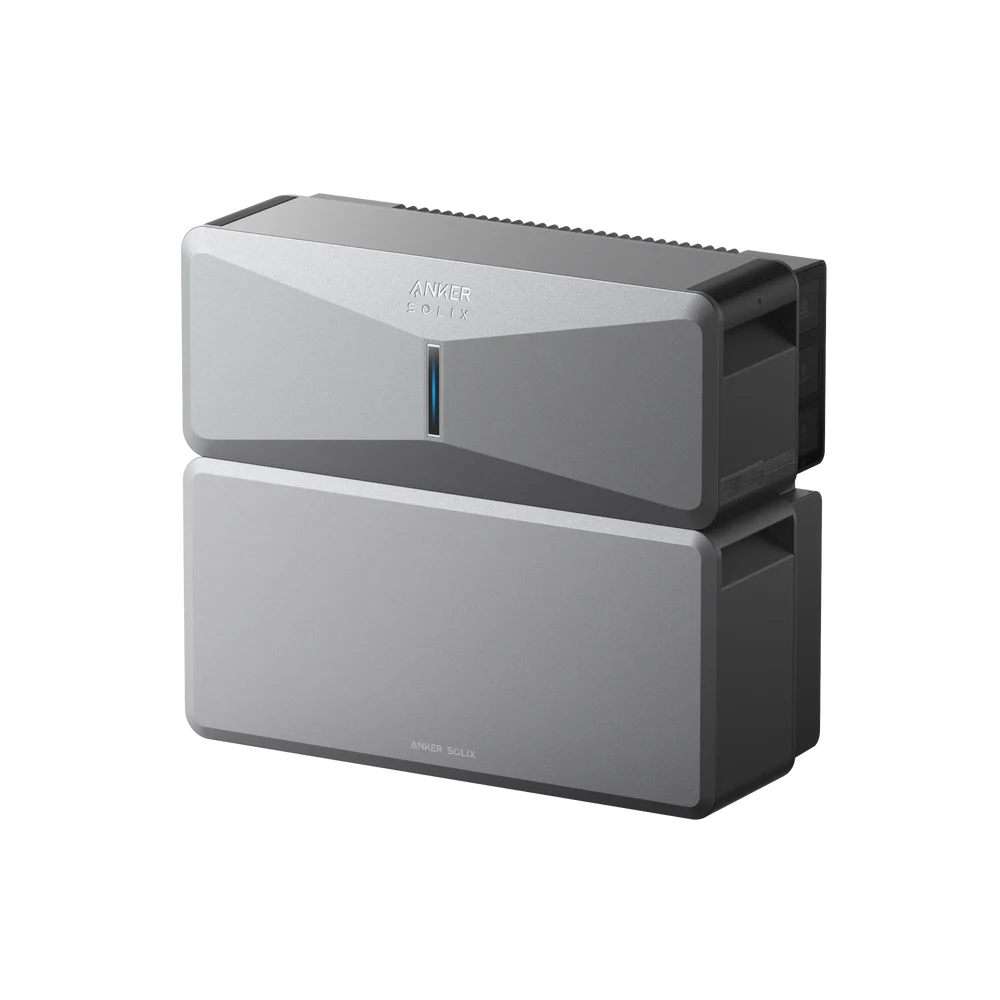
Whole-Home Battery Systems
These are permanently installed batteries wired into your electrical panel, not something you carry. They switch over automatically when the grid drops, usually fast enough that your lights never blink, and they can shave peak-rate electricity costs on days when nothing has gone wrong at all.
The systems here run roughly $4,200 to $20,000 before installation, which is itself a five-figure decision for most homes. All of them need a licensed electrician and, in nearly every jurisdiction, a permit and an inspection. We list them so you can compare usable capacity and continuous output on the same axis; we do not pretend this is a category you buy on price alone.
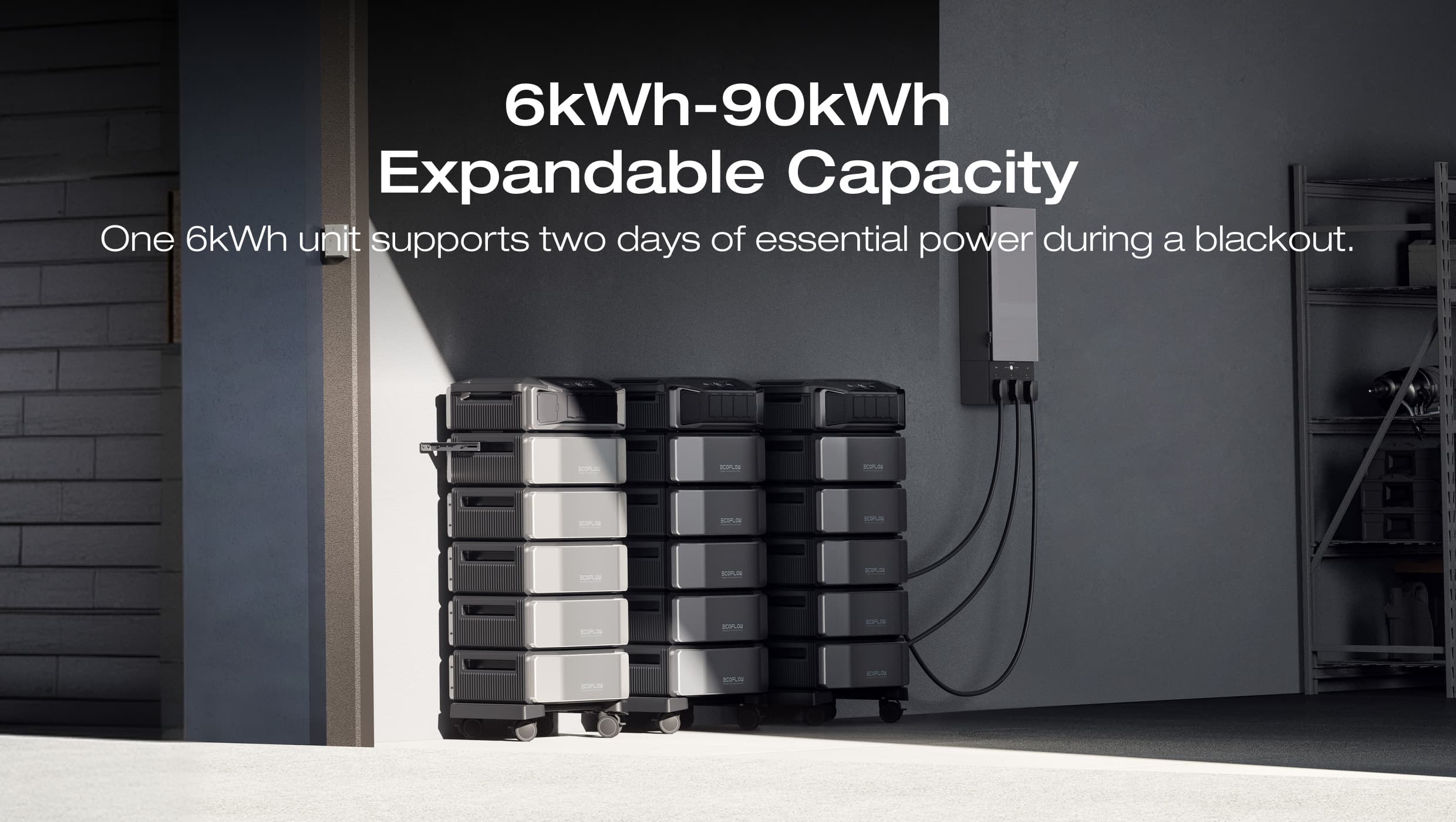
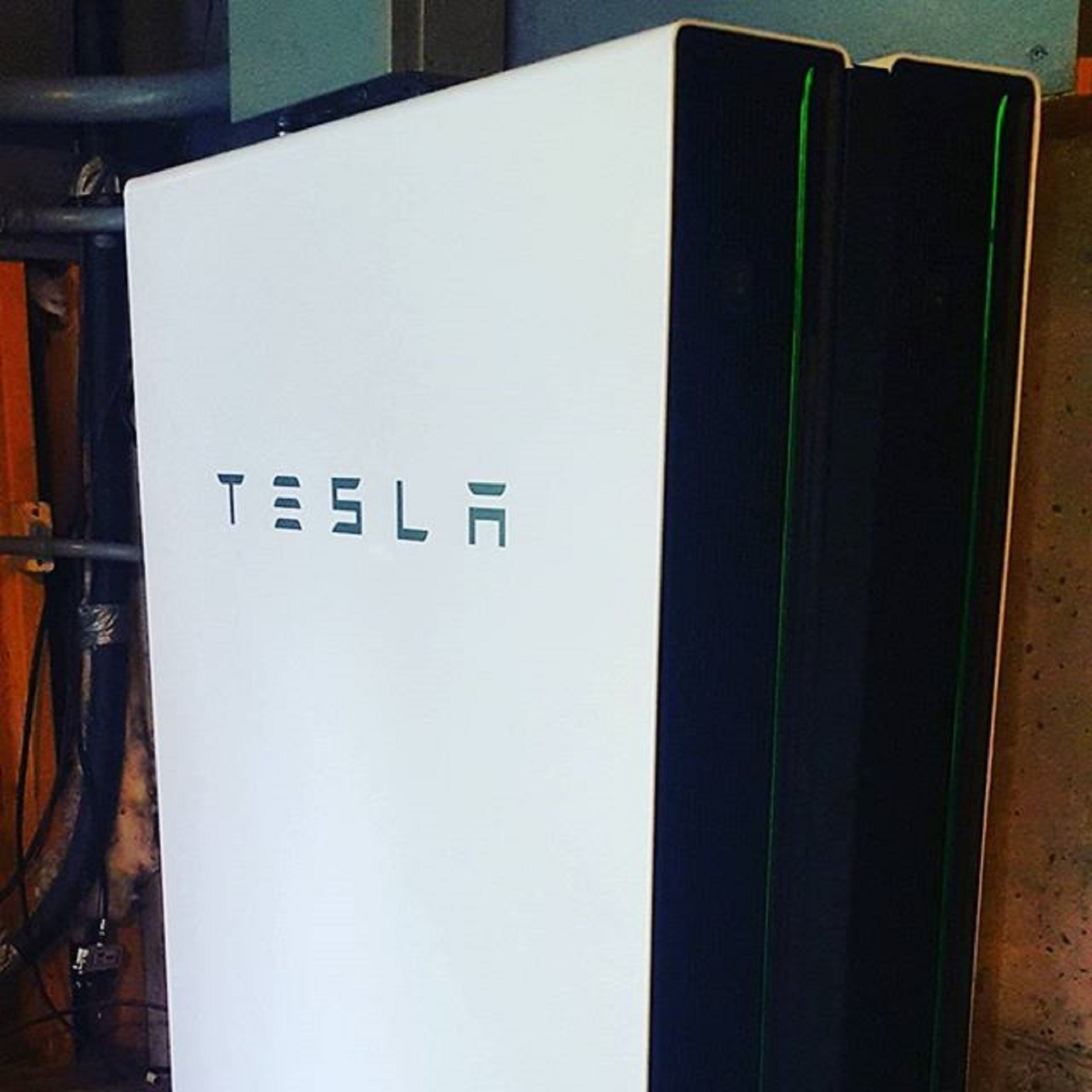
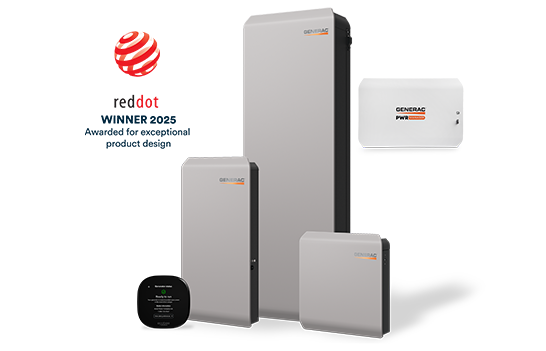
4 products
No products match these filters.
Filters
Filters
Brand
Price
$4199$20000
Capacity (Wh)
6,00013,500
Output (W continuous)
7,20011,500
Use case
Minimum rating
FAQ
How is this different from a portable power station?
Three things: it is wired into your panel rather than plugged into, it transfers automatically instead of you dragging out extension cords, and it is typically 3–10 times the capacity. The trade-off is that it costs several times more, cannot move, and requires a licensed installer.
Does it power the whole house?
Usually not, and that is by design. Most installations feed a critical-loads subpanel — fridge, furnace fan, well pump, lights, internet — because backing up central air conditioning and an electric range would need several times the battery. Deciding what goes in that subpanel is the most consequential choice in the whole project.
Do I need solar panels too?
No. A battery on its own still carries you through an outage and can arbitrage time-of-use rates. Adding solar means it can recharge during a multi-day outage rather than draining once, which is the difference between one day of backup and indefinite backup.
Is there still a federal tax credit?
Not for homeowner-owned systems. The 30% residential credit under section 25D ended for expenditures after 31 December 2025. Third-party-owned systems — leases and power purchase agreements — can still claim 30% through section 48E, which the installer claims and passes through in pricing. See our breakdown of what changed.
How long do they last?
Most carry a 10-year warranty, typically guaranteeing 70–80% of original capacity at the end of it. Actual life depends far more on cycling depth and temperature than on age, and a battery in an unconditioned garage in Phoenix will not match one in a basement in Ohio.