

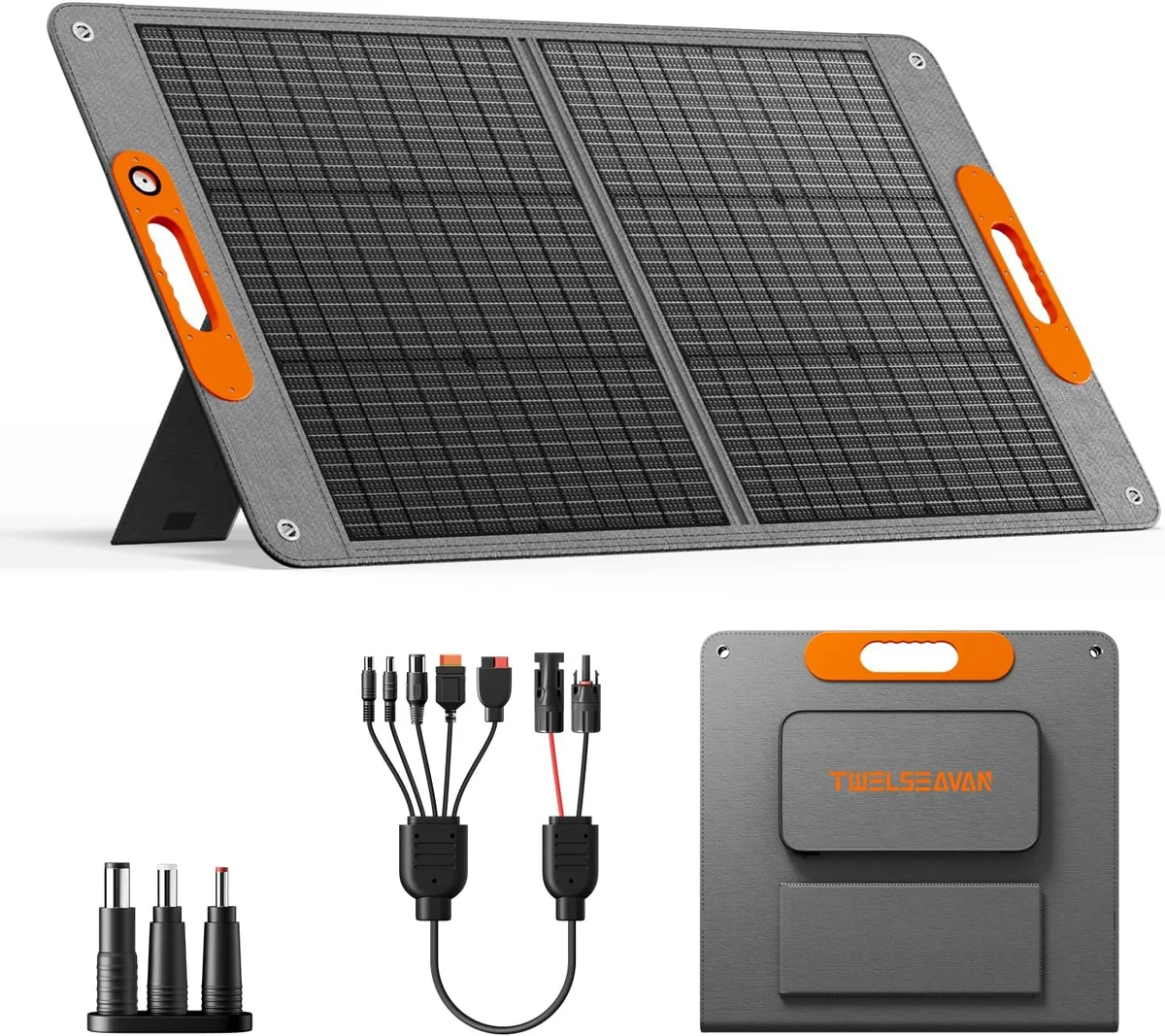
Solar Panels
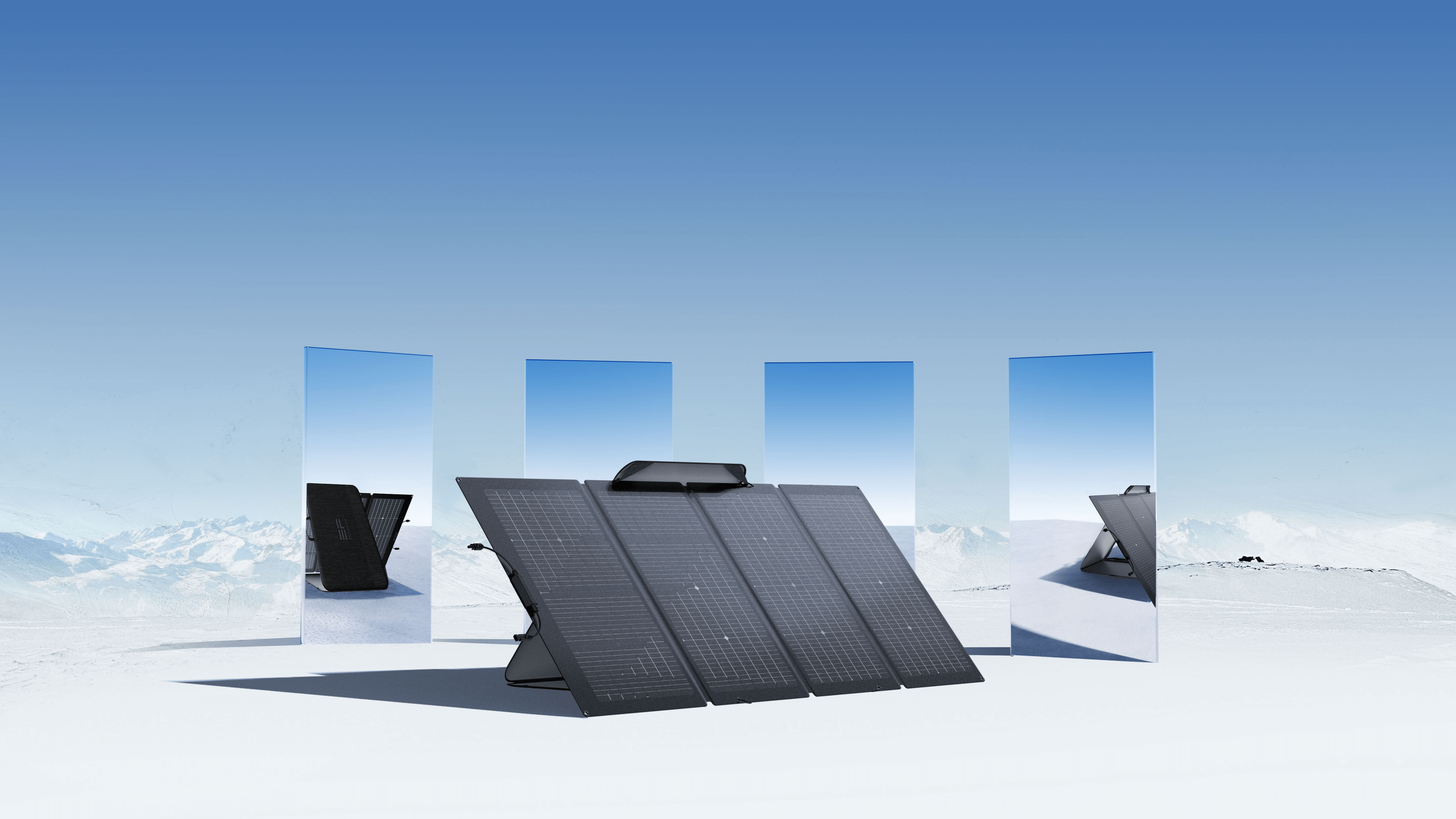
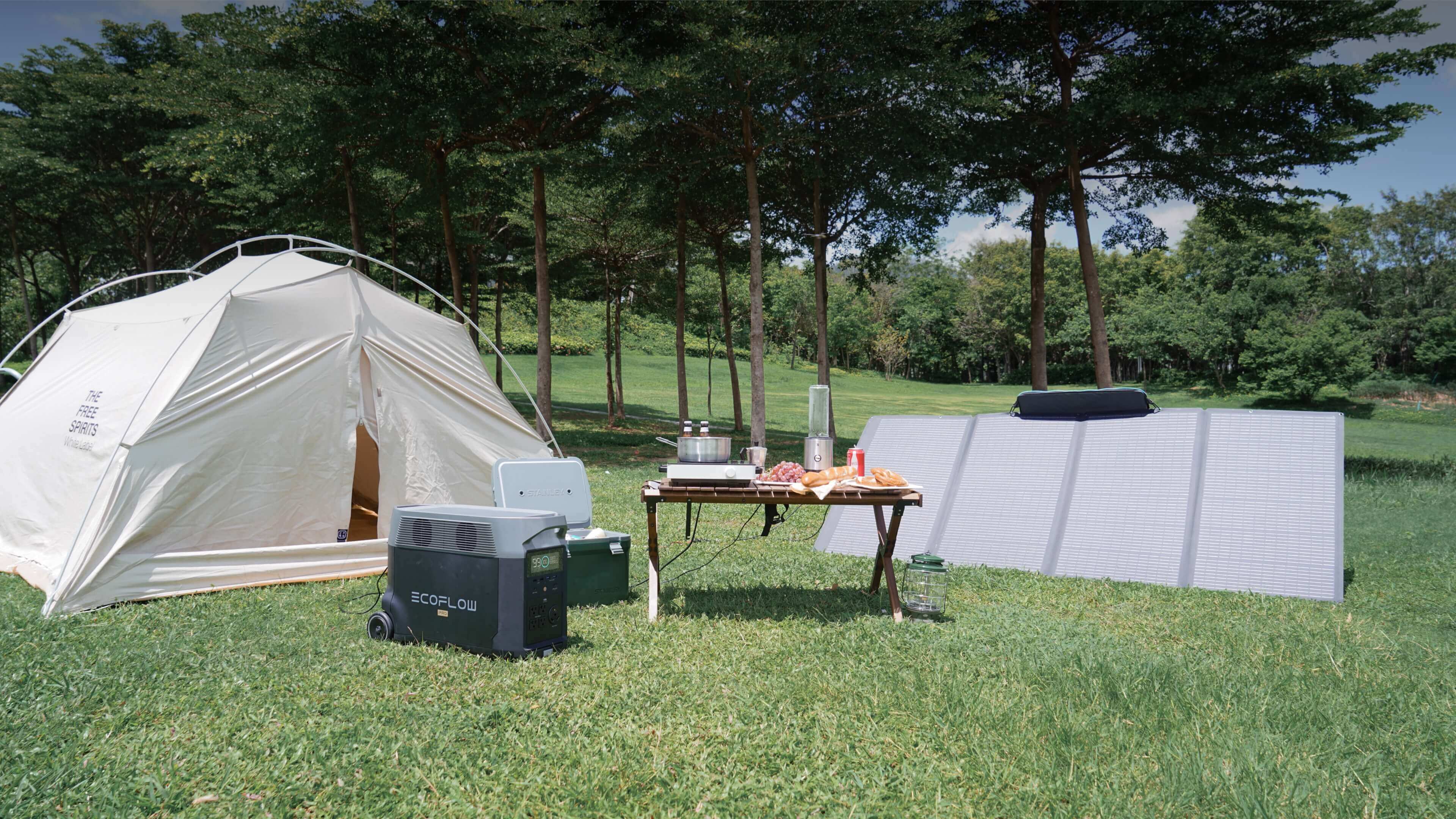
These are the panels that recharge a power station or feed a small off-grid system — portable folding panels and rigid modules from roughly $127 to $799, not full rooftop arrays.
The specification that matters most is not the wattage on the box. It is whether the panel's voltage and current fall inside what your charge controller or power station can actually accept: exceed the voltage ceiling and you damage the input, come in under it and the panel never delivers its rating. Cold weather raises open-circuit voltage, which is how people destroy controllers in January with a panel that worked all summer.
14 products
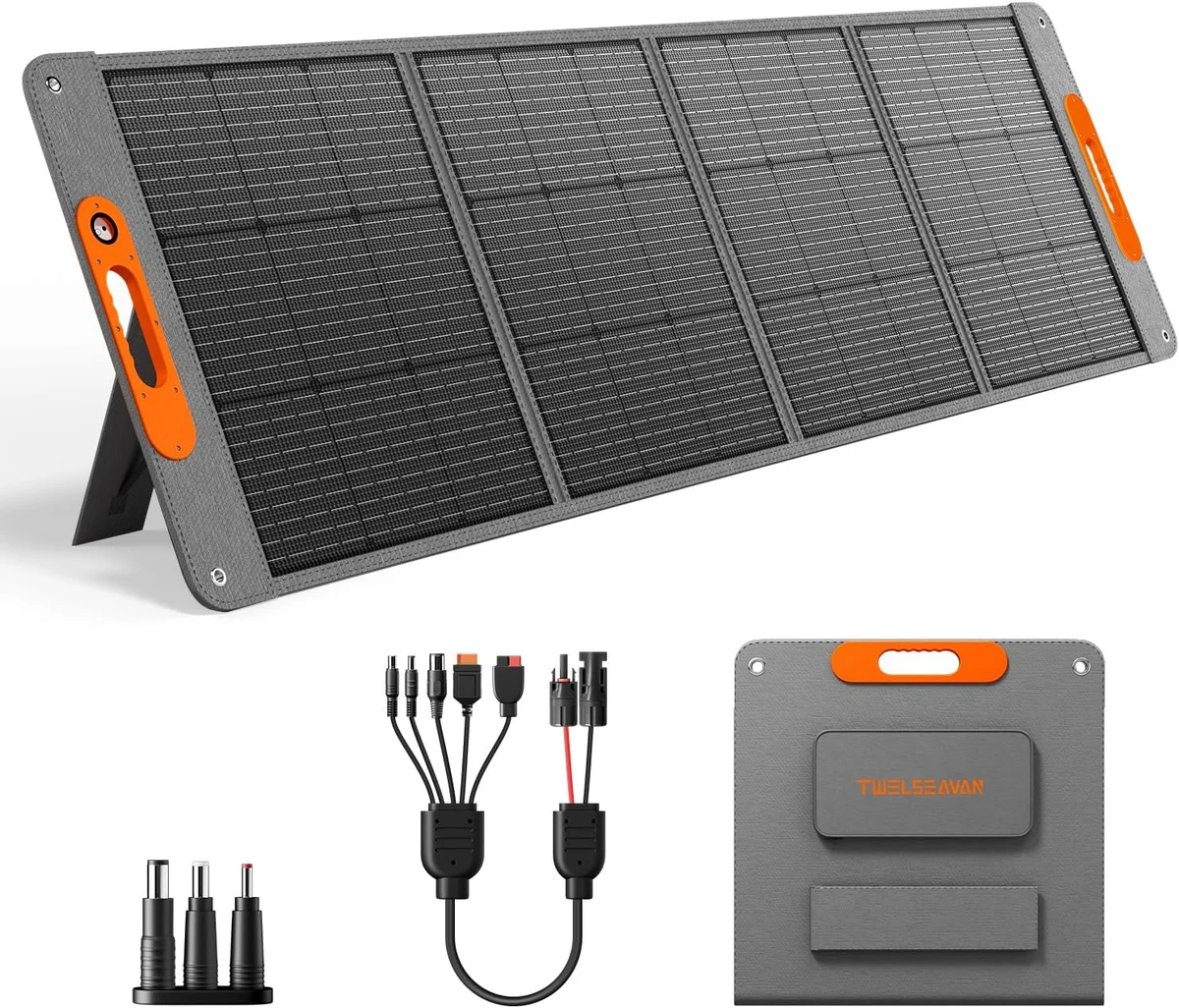
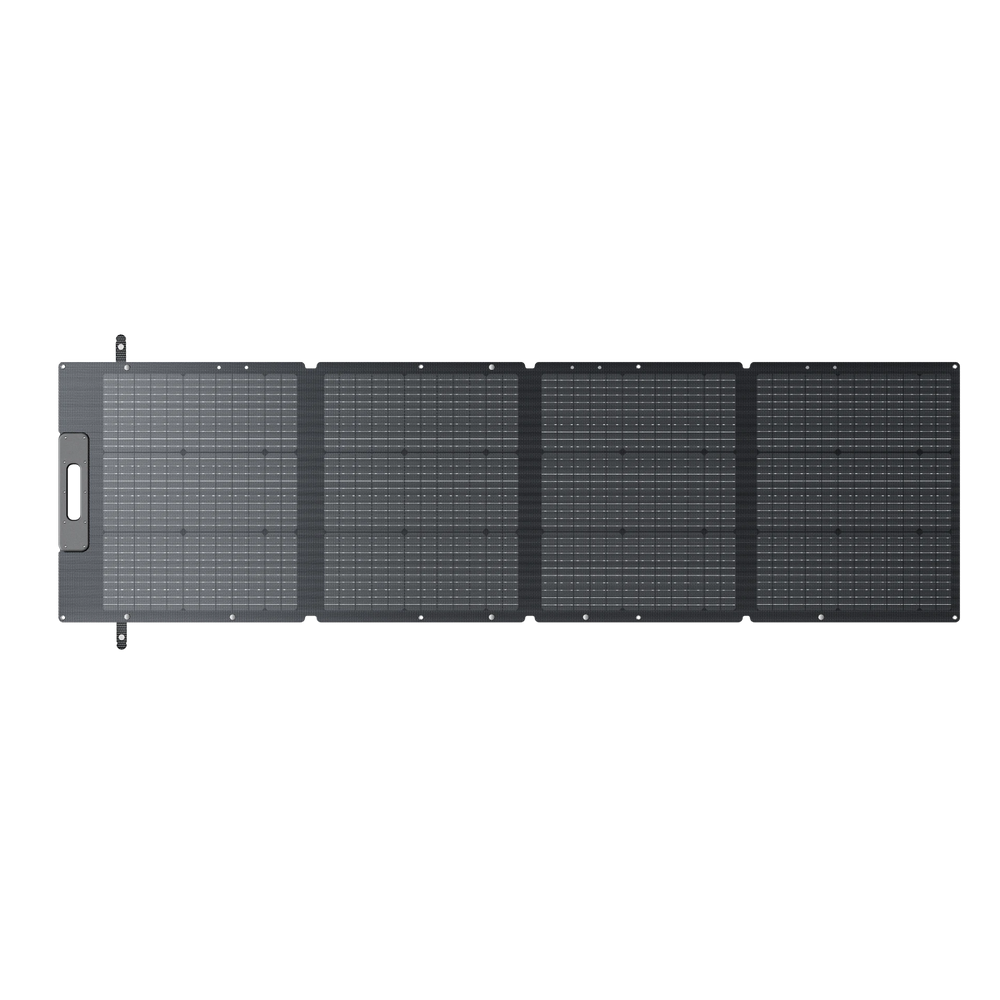
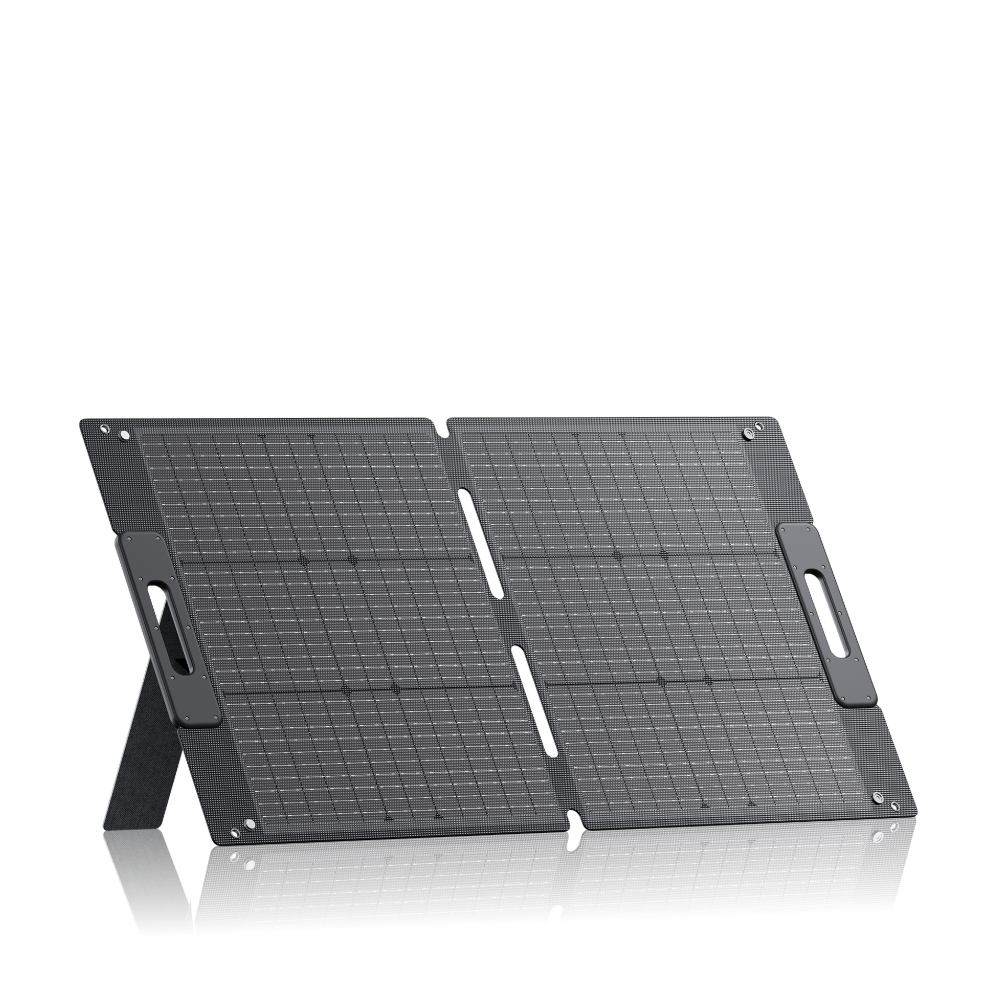
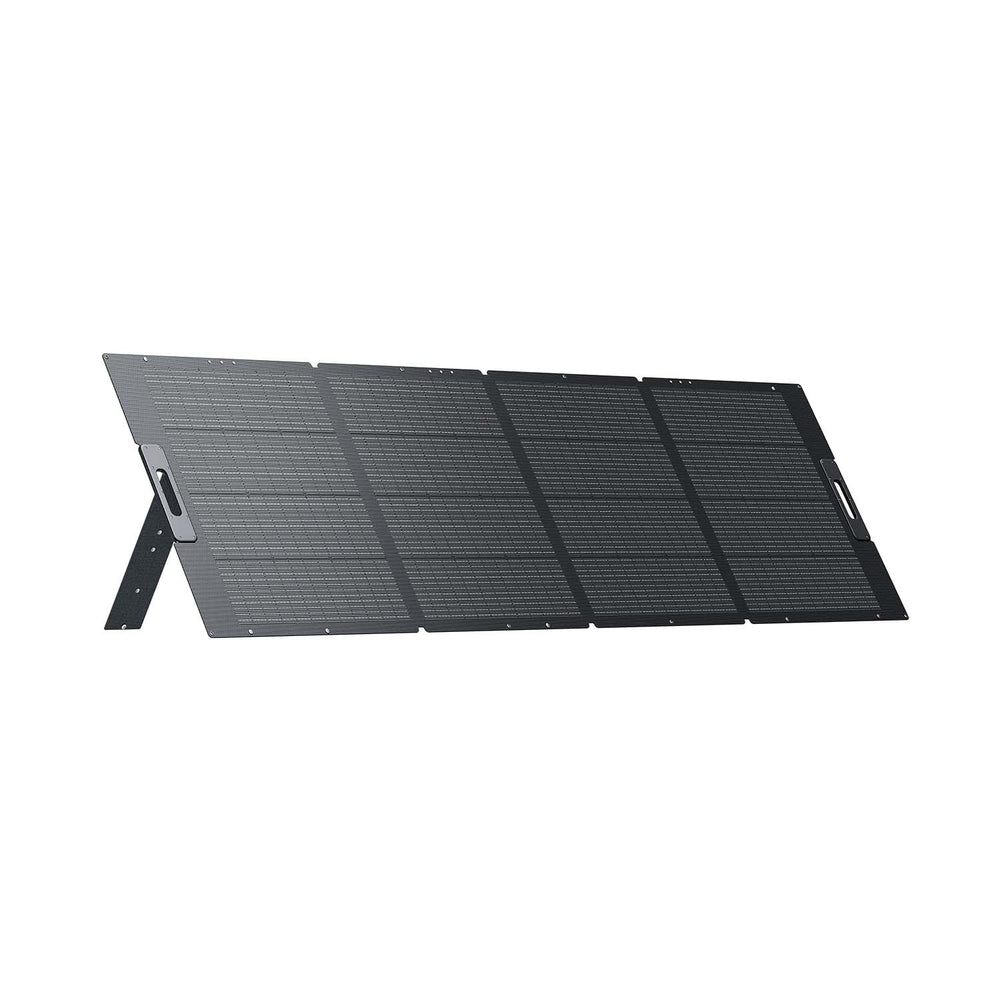
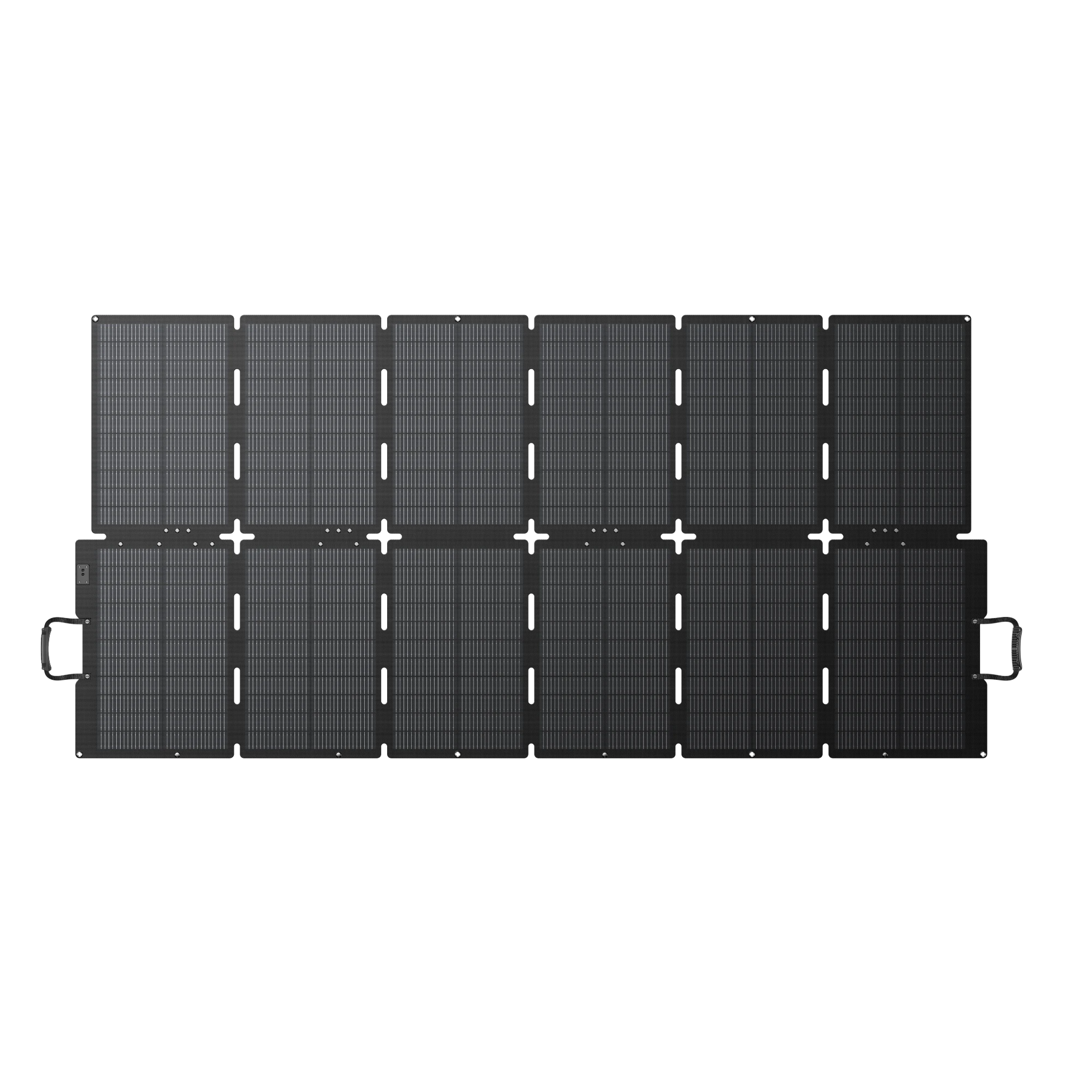
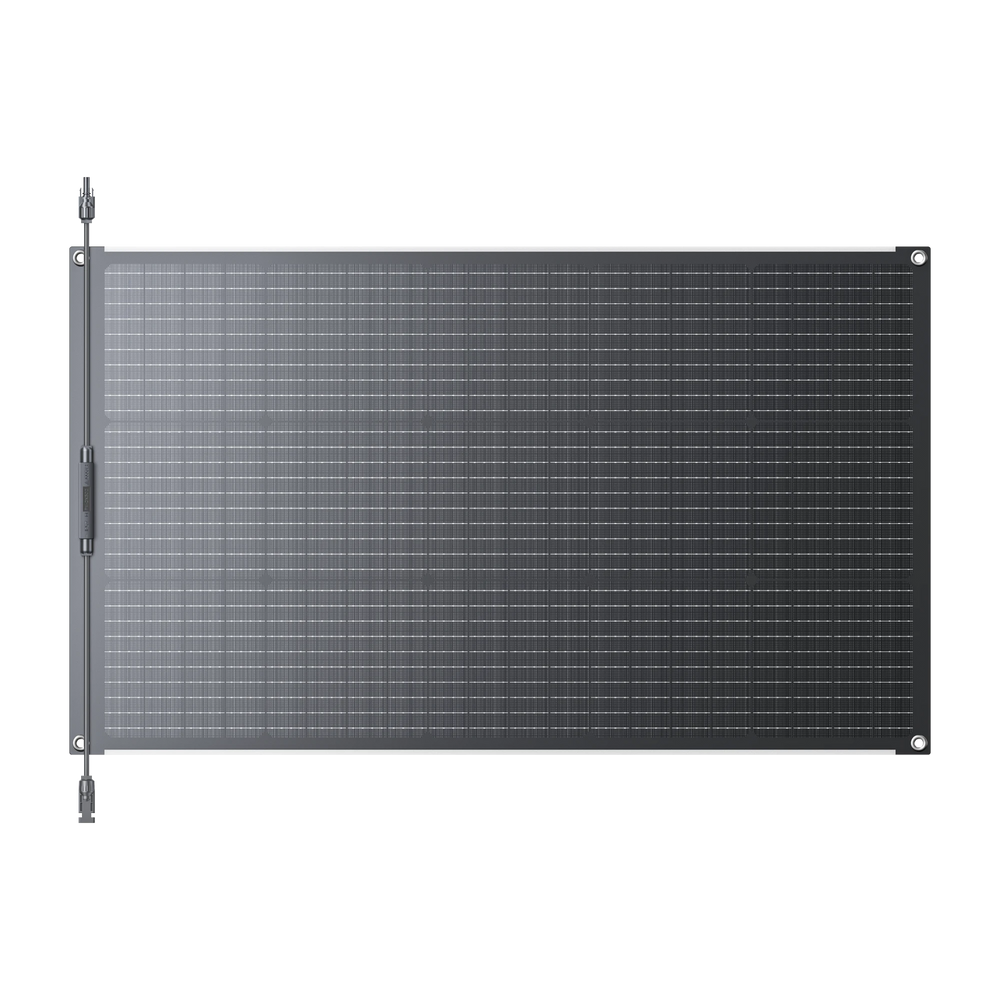
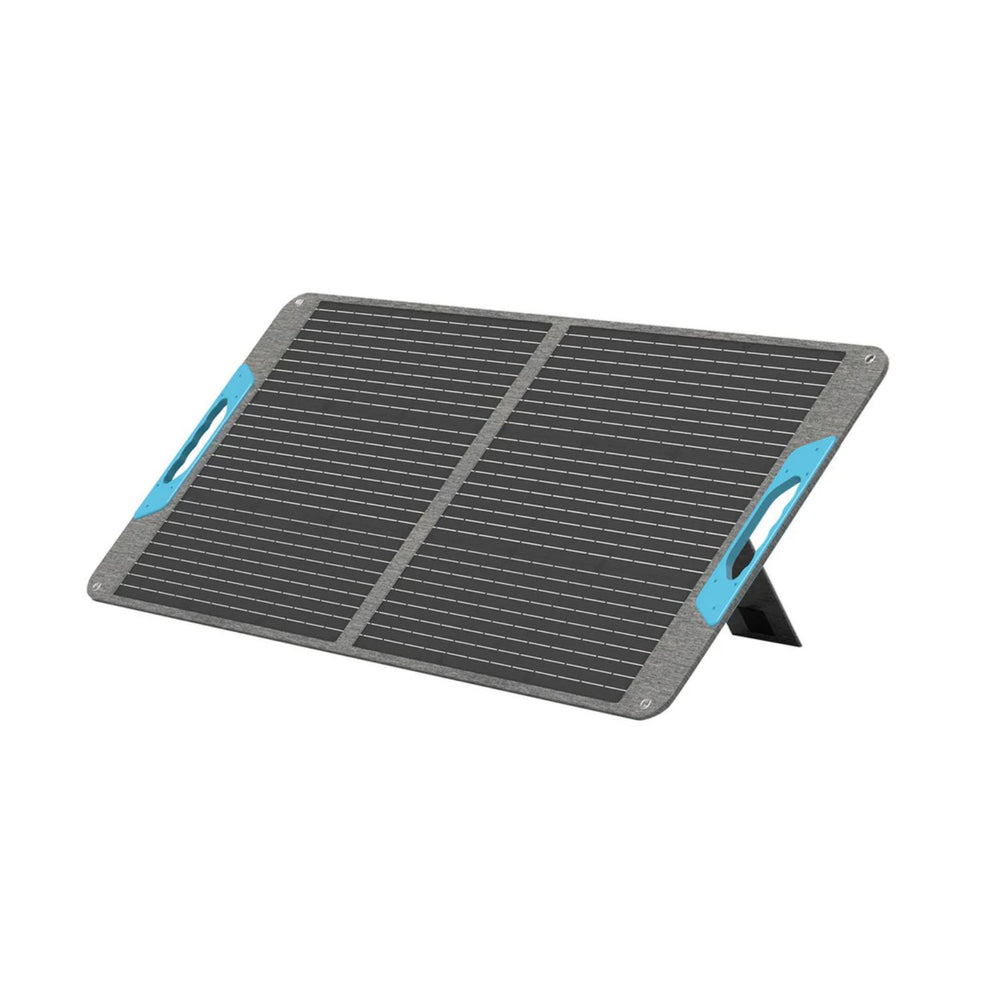
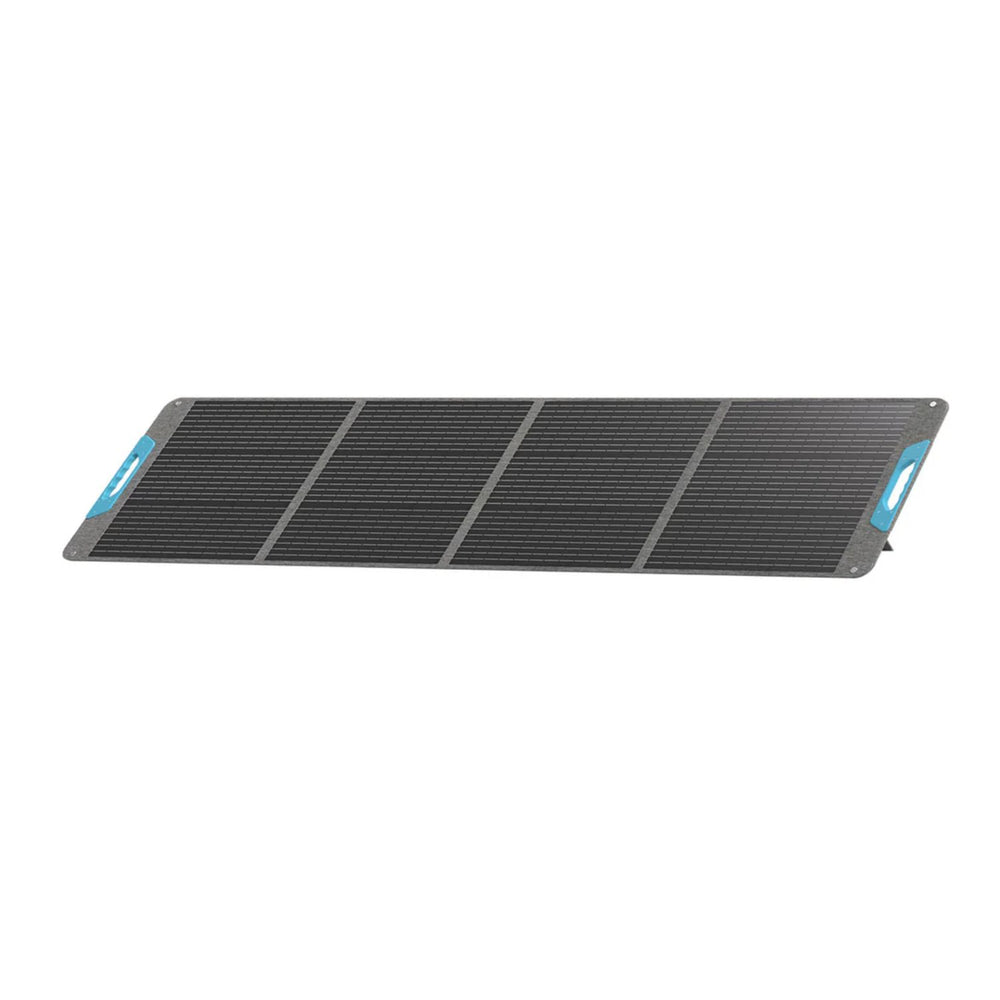
No products match these filters.
Filters
Filters
Brand
Price
$126$799
Output (W continuous)
100500
Use case
Minimum rating
FAQ
Will any panel work with my power station?
No, and this is the most common expensive mistake in the category. Check three numbers against your unit's solar input spec: open-circuit voltage (Voc), short-circuit current (Isc), and the connector type. Voc above the input ceiling can destroy the controller. Voc is highest on a cold, bright morning, so size against your coldest expected temperature, not a summer figure.
How much power will a 100 W panel actually produce?
Plan on 60–80% of the rating in good conditions — so 60–80 W from a 100 W panel, for 4–6 useful hours a day. Ratings are measured under laboratory conditions at 25 °C with perfect perpendicular light. Heat, haze, dust, angle and cable losses all take their share, and panels are less efficient when hot, not more.
Folding or rigid?
Folding panels have a kickstand, pack flat, and let you chase the sun through the day — which can beat a larger fixed panel. Rigid panels cost less per watt, survive weather permanently mounted, and make sense on a van roof, shed or ground rack. If it needs to live outside year-round, buy rigid.
Do I need a charge controller?
If you are charging a power station, no — it has one built in. If you are charging a bare battery, absolutely yes, and MPPT rather than PWM: MPPT typically harvests 15–30% more from the same panel, and the gap widens in cold weather and low light.
Does shade on one corner matter?
More than seems reasonable. Cells are wired in series, so shading a small part of a panel can cut output disproportionately — a branch shadow across one corner is not a small loss. Bypass diodes limit the damage but do not eliminate it. Site panels where nothing shades them between mid-morning and mid-afternoon.