

Generators
When an outage runs into its third or fourth day, fuel is the only thing that keeps producing power indefinitely. That is what a generator buys you, and nothing in the battery categories can match it on sustained runtime.
The listings run from small inverter units around $549 to standby systems near $5,000. Three distinctions decide which one you want: inverter models produce clean power safe for laptops and modern electronics while conventional ones do not, dual-fuel models run on propane which stores indefinitely unlike gasoline, and standby units are permanently installed and start themselves. Every one of them is outdoor-only, without exception.
18 products
Champion Power Equipment
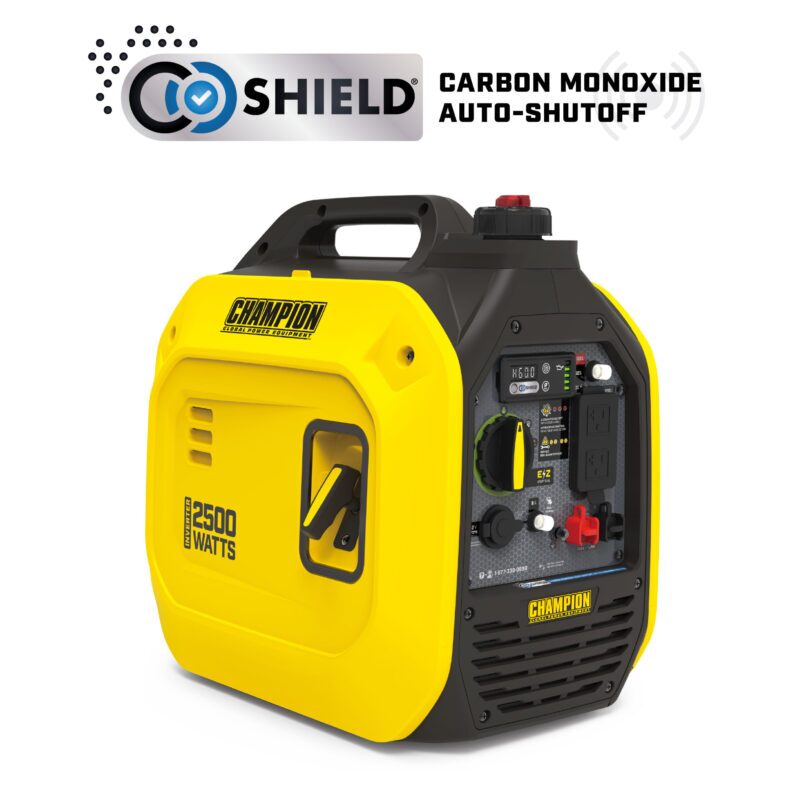
Champion Power Equipment 2500-Watt Ultralight Portable Inverter Generator
1,850 W39.7 lb
$549.00
View on Amazon
Champion Power Equipment
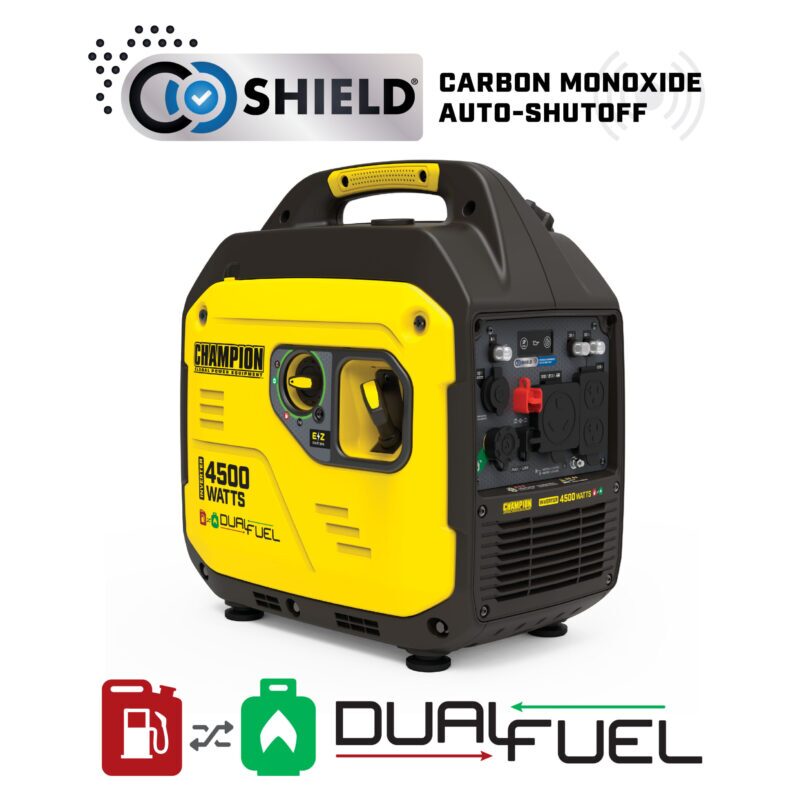
Champion Power Equipment 4500-Watt RV Ready Portable Inverter Generator
3,500 W92.2 lb
$749.00
View on Amazon
Champion Power Equipment
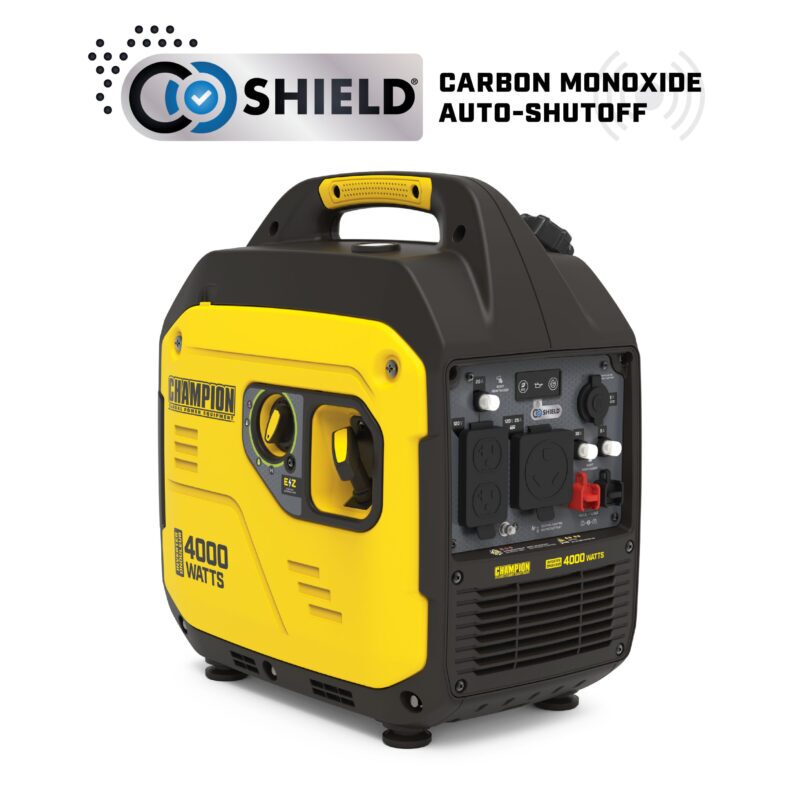
Champion Power Equipment 4000-Watt RV Ready Portable Inverter Generator
3,000 W48.1 lb
$649.00
View on Amazon
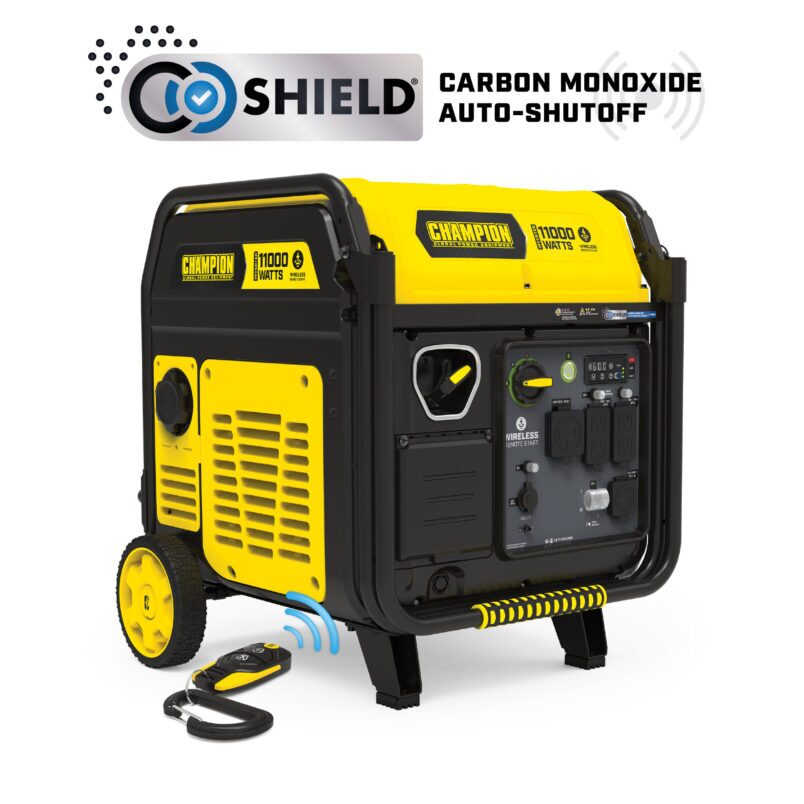
Champion Power Equipment
Champion Power Equipment 11,000-Watt Wireless Remote Start Home Backup Portable Inverter Generator
9,000 W200 lb
$1,999.00
View on Amazon
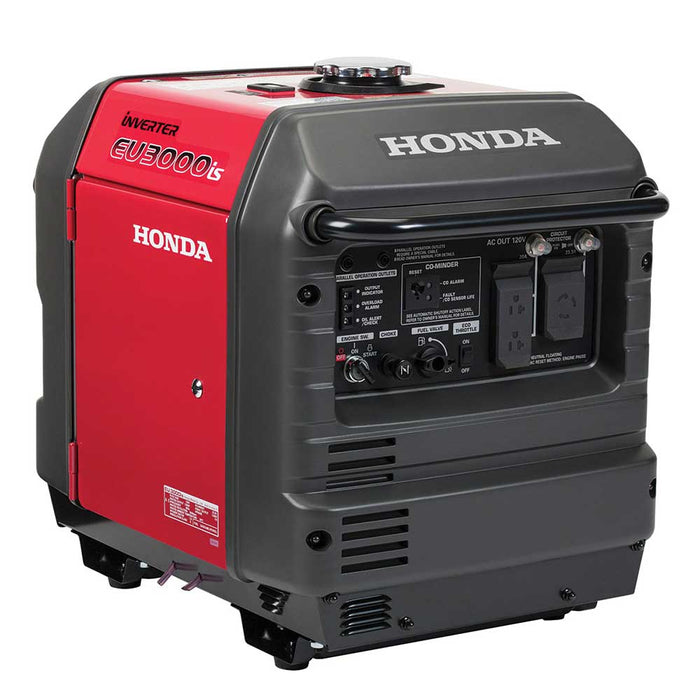
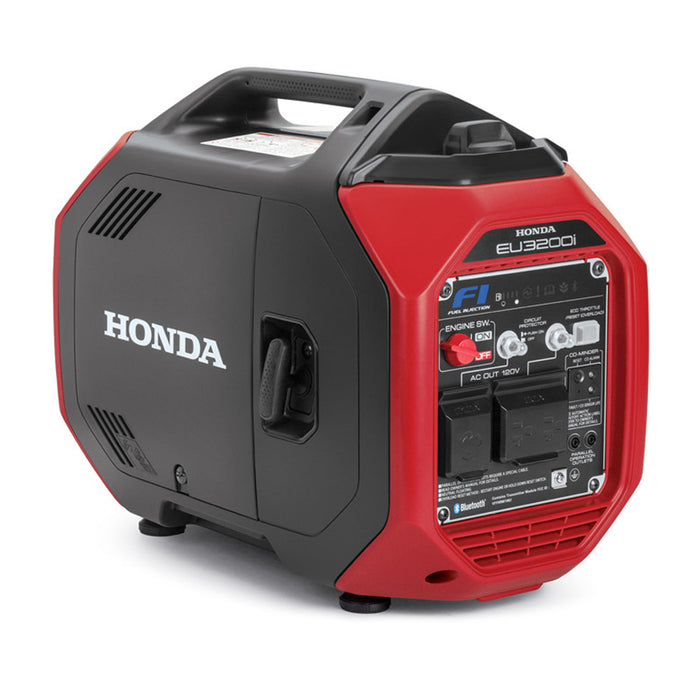
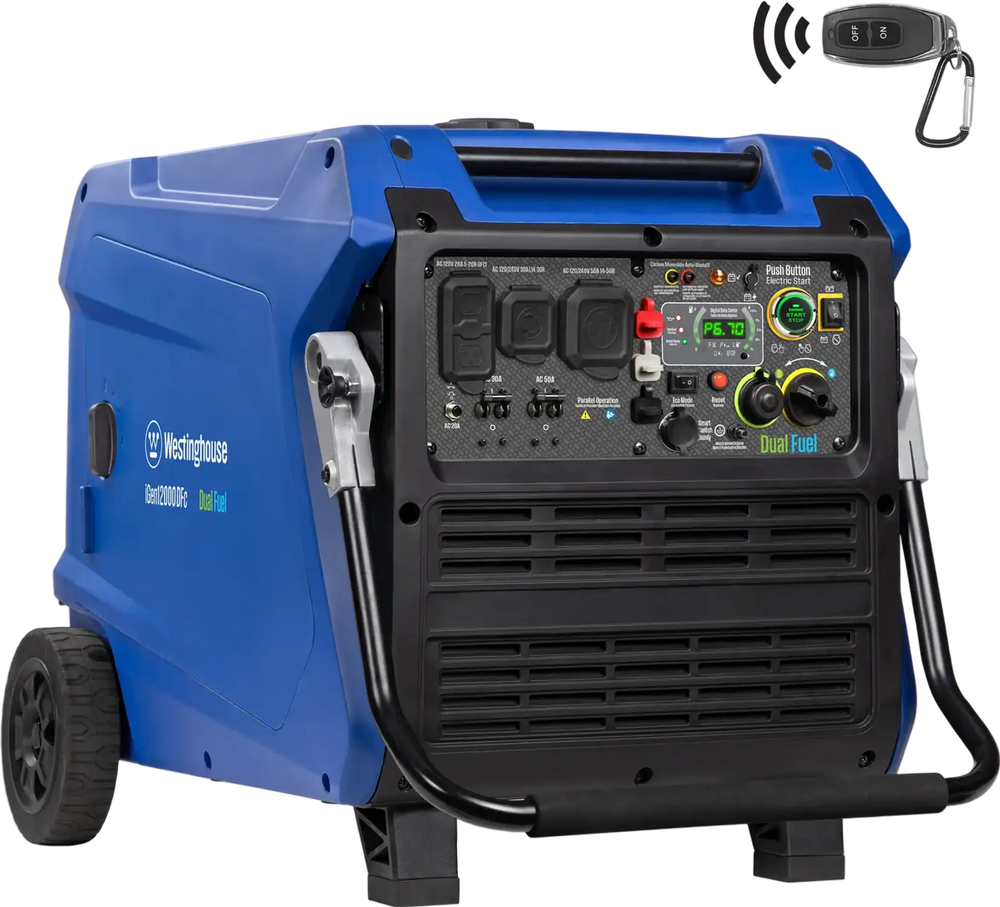
Westinghouse
Westinghouse iGen12000DFc Dual Fuel Portable Inverter Generator
9,000 W189 lb
$2,199.00
View on Amazon
Westinghouse
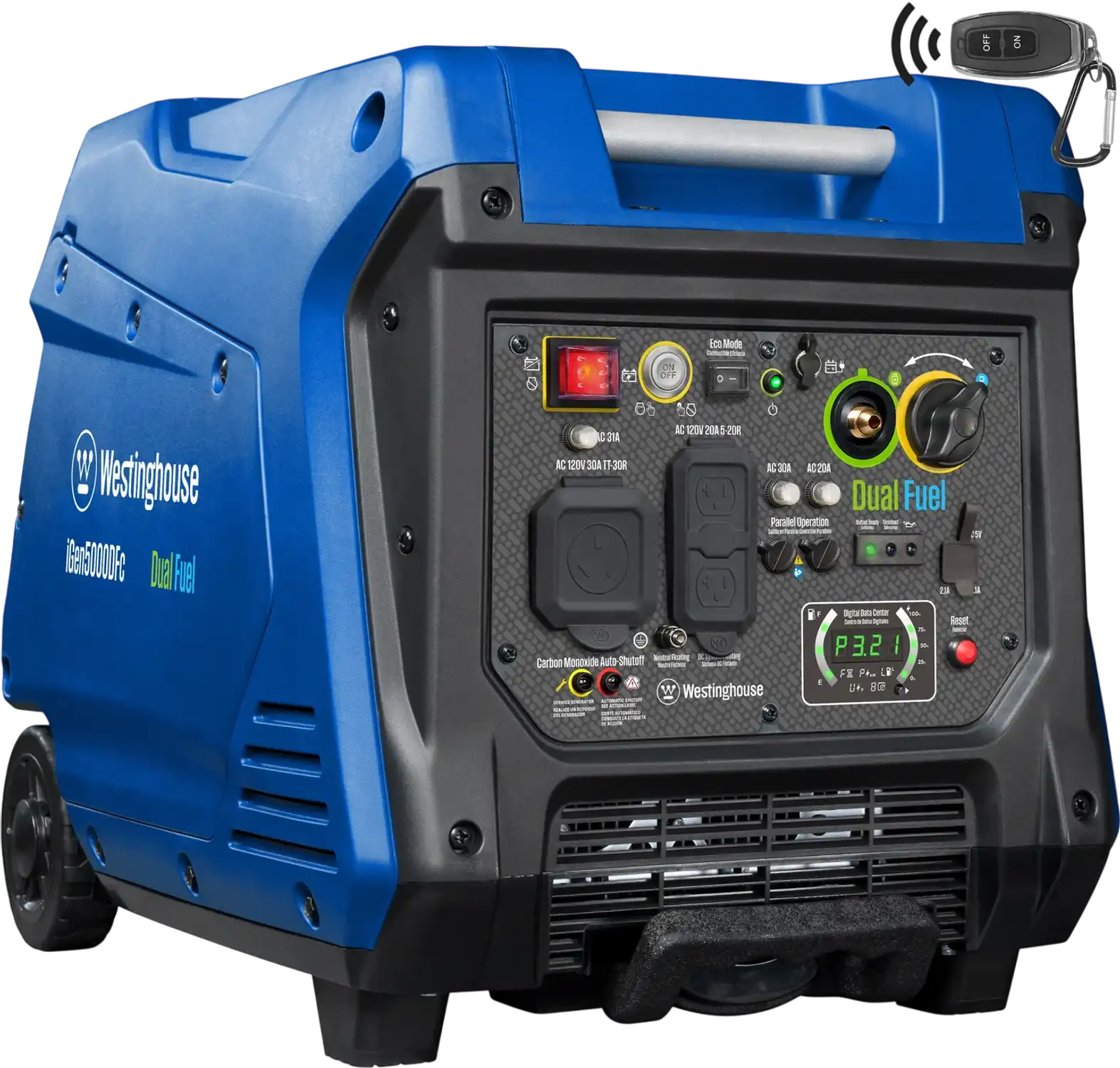
Westinghouse iGen5000DFc Dual Fuel Portable Inverter Generator
3,900 W105.8 lb
$1,299.00
View on Amazon
Westinghouse
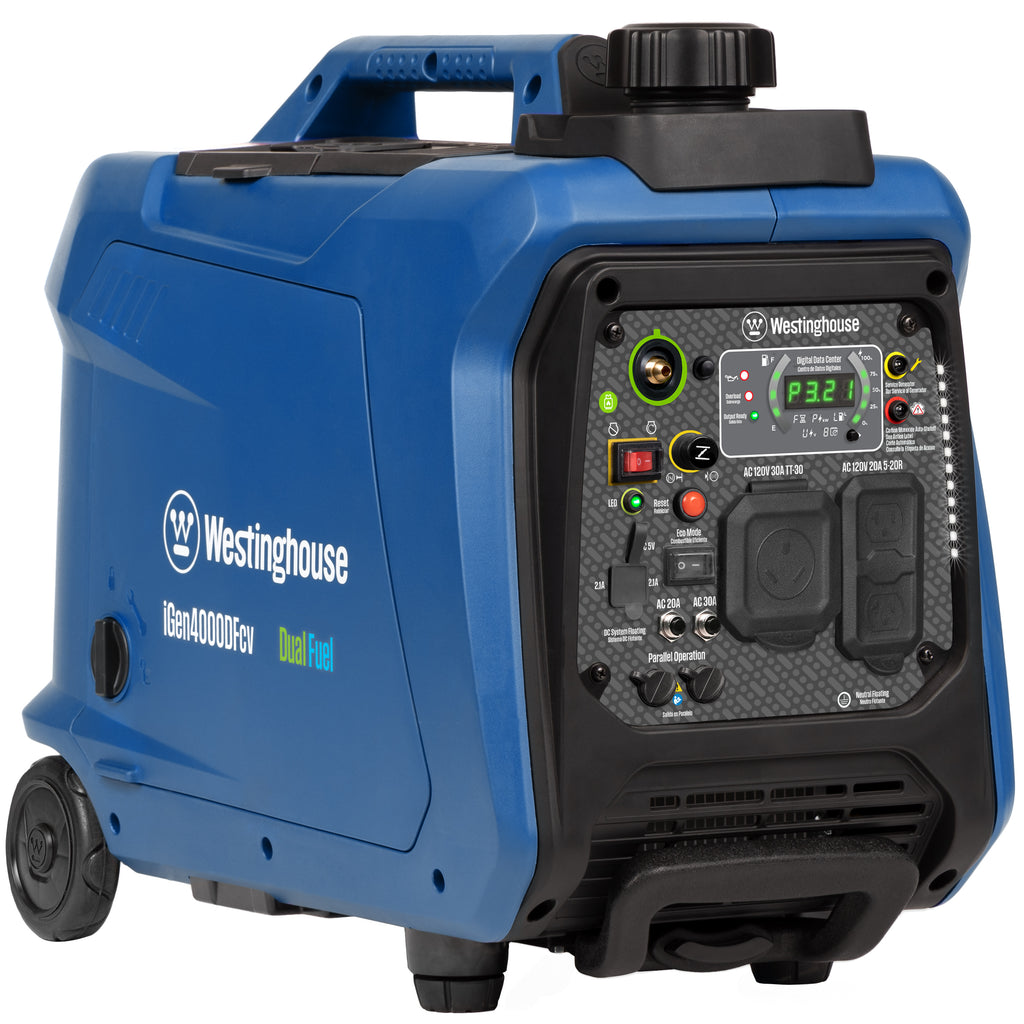
Westinghouse iGen4000DFcv Dual Fuel Portable Inverter Generator
3,300 W59 lb
$769.00
View on Amazon
DuroMax
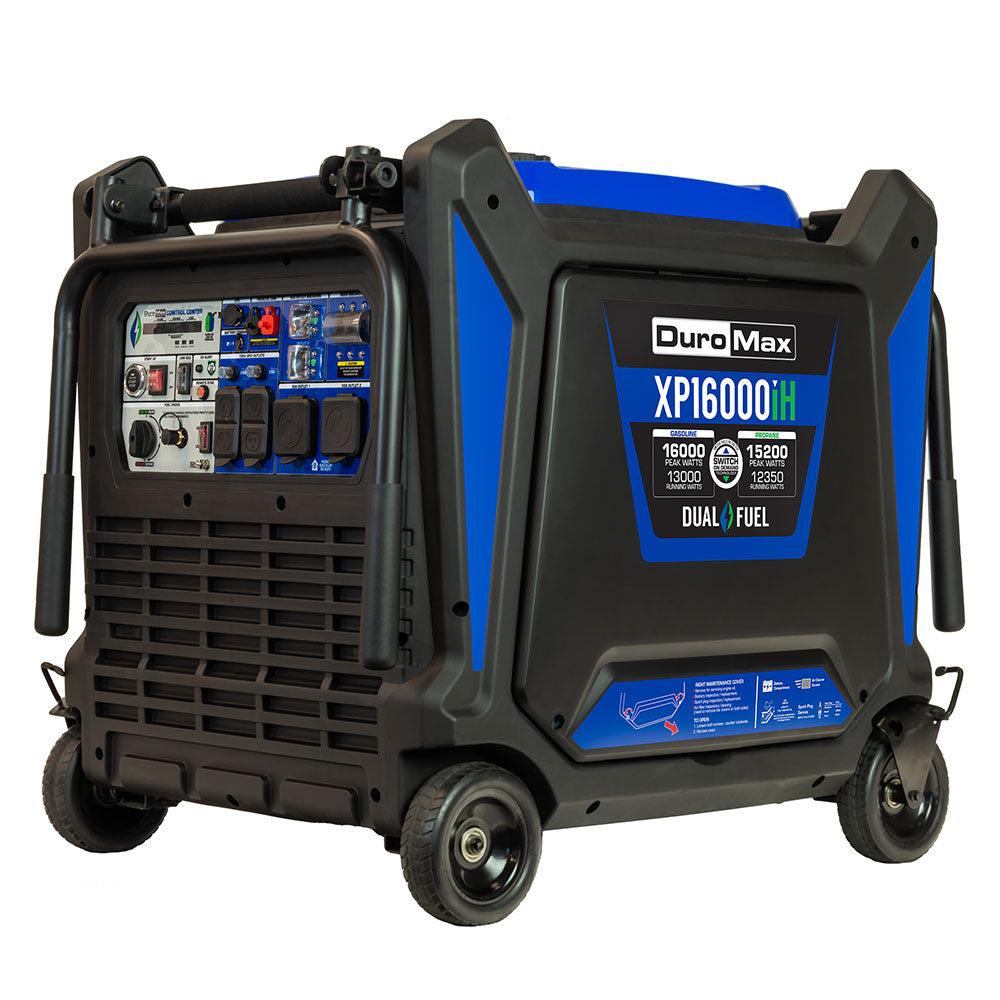
DuroMax XP16000iH Dual Fuel Portable Inverter Generator
13,000 W368 lb
$4,999.00
View on Amazon
DuroMax
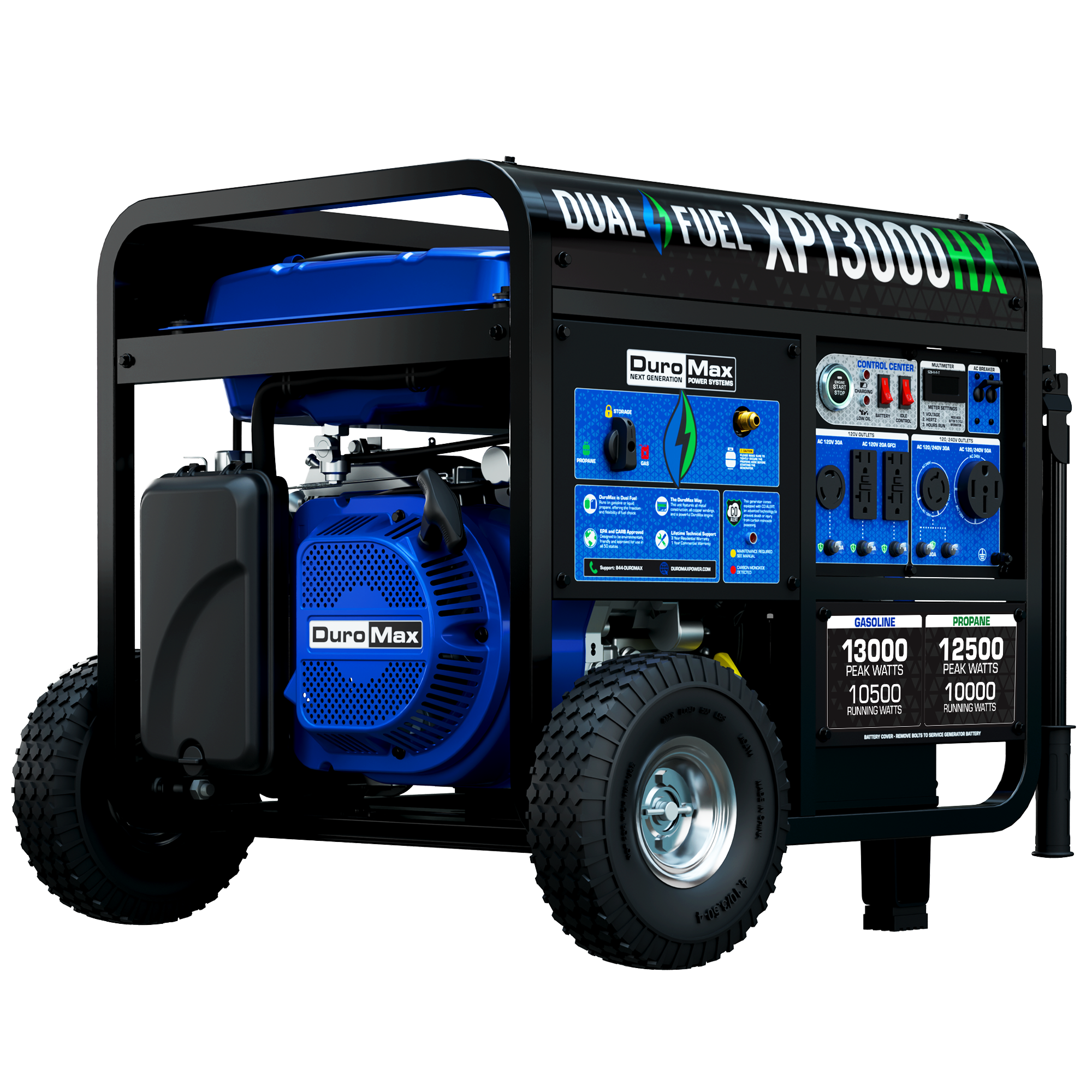
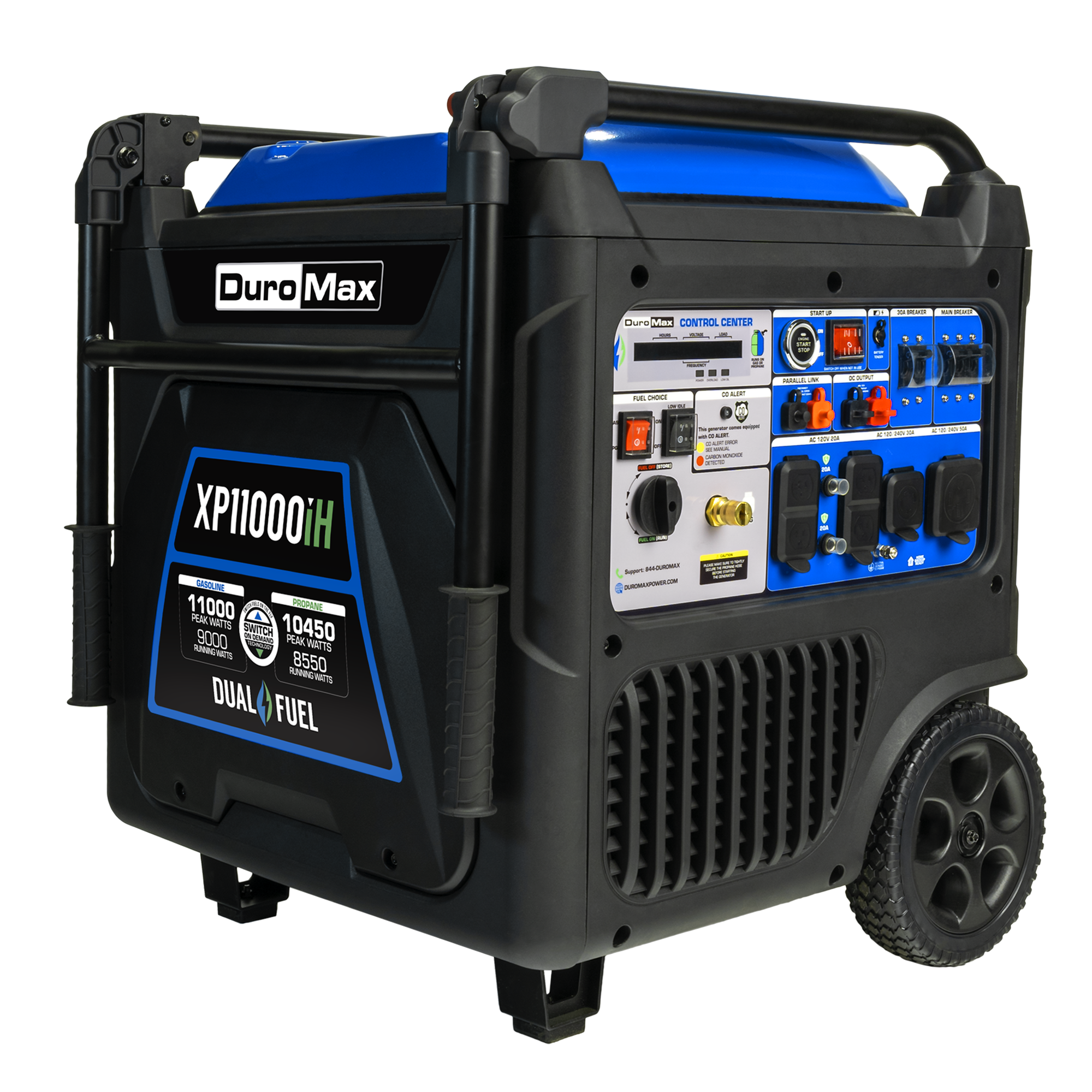
DuroMax XP11000iH Dual Fuel Portable Inverter Generator
9,000 W216 lb
$1,999.00
View on Amazon
Generac
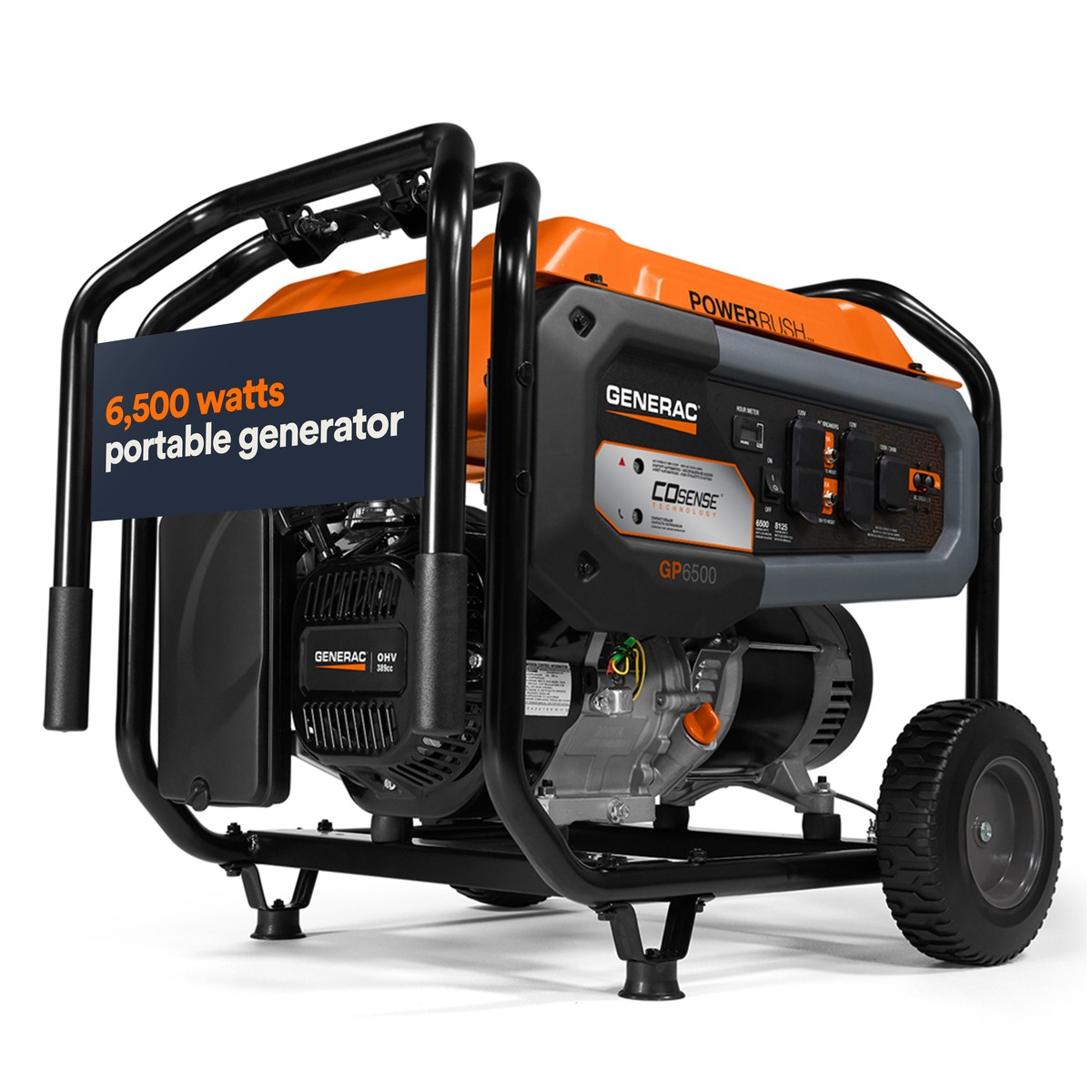
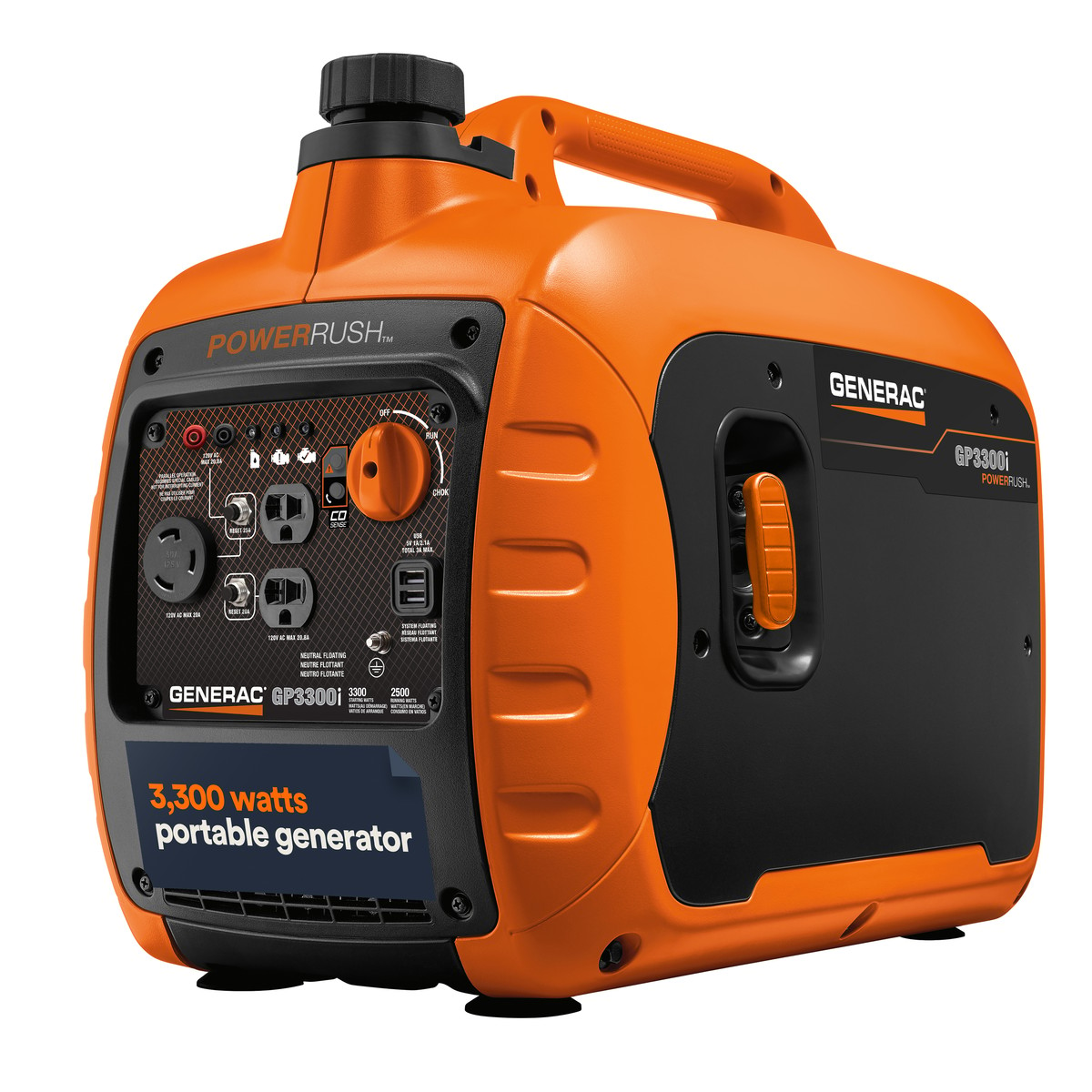
Generac GP6500 Portable Generator (8,125 Starting Watts)
6,500 W172 lb
$749.00
View on Amazon
Generac
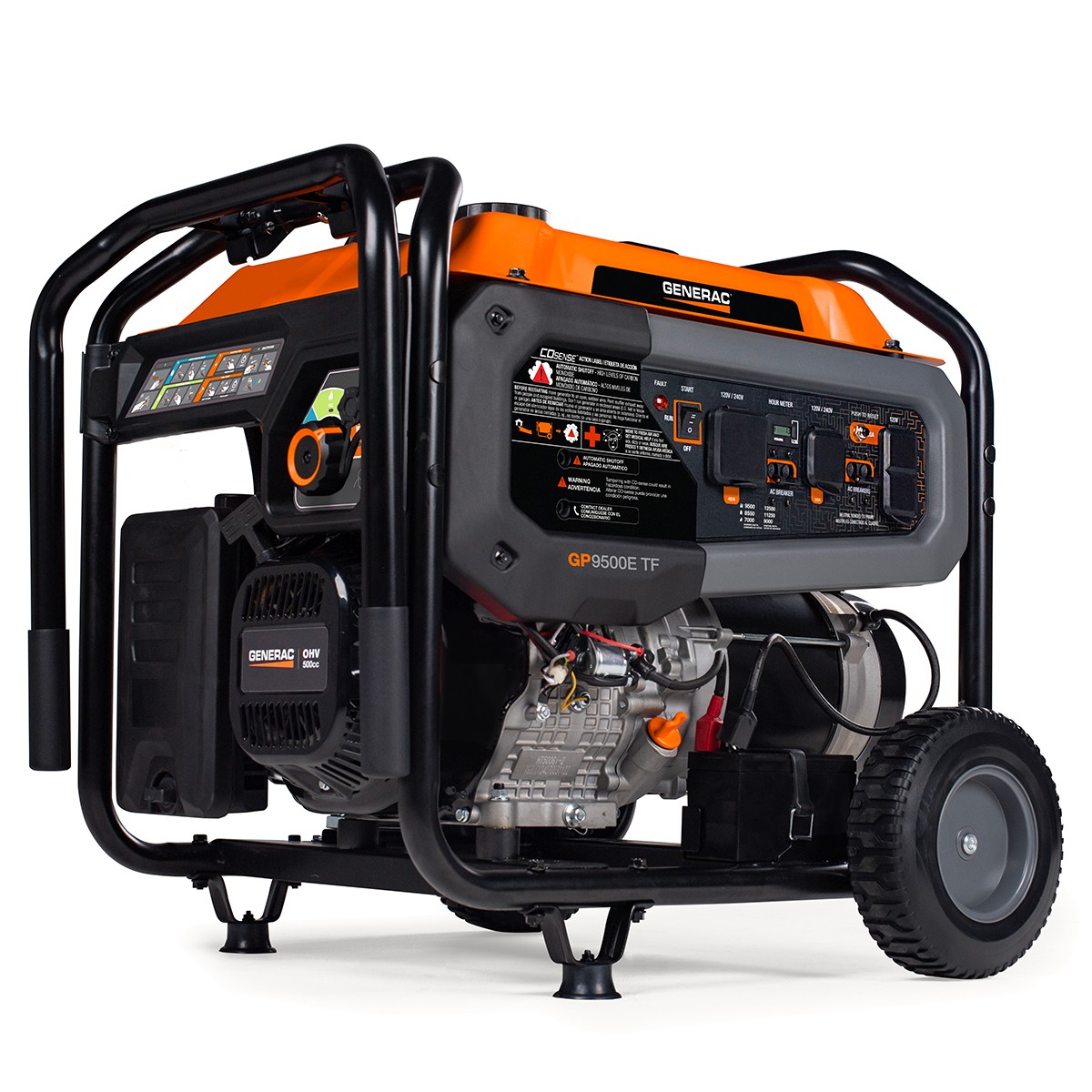
Generac GP9500E TF Tri-Fuel Portable Generator (12,500 Starting Watts)
9,500 W219 lb
$1,169.00
View on Amazon
No products match these filters.
Filters
Filters
Brand
Price
$549$4999
Output (W continuous)
1,85013,000
Use case
Minimum rating
FAQ
How far from the house does a generator have to be?
At least 20 feet, with the exhaust pointed away from doors, windows and vents. Never in a garage, on a porch, in a basement or in any partly enclosed space, even with the door open. Carbon monoxide from a portable generator kills people in the United States every storm season, and a CO alarm in the house is a reasonable second line of defence.
Do I need an inverter generator?
If you are running laptops, modern TVs, variable-speed appliances or anything with a circuit board, yes. Inverter models produce a clean sine wave, typically under 3% total harmonic distortion; conventional models can exceed 20%, which sensitive electronics tolerate badly. Inverter units are also markedly quieter and throttle down under light load. For a pump or power tools, a conventional unit is fine and cheaper per watt.
Can I plug a generator into a wall outlet to power the house?
No. That is backfeeding, it is illegal in most jurisdictions, and it energises the utility line outside your home — which can kill a lineworker restoring your power. The legal routes are a transfer switch or an interlock kit, both installed by an electrician. This is the one item on this page where the wrong answer hurts somebody else.
Gasoline, propane or dual fuel?
Gasoline is easiest to find and gives slightly more power, but it degrades in months and is hard to buy when the power is out because the pumps are down too. Propane keeps essentially forever in a sealed tank and starts cleanly in cold weather, at roughly 10% less output. Dual fuel gives you both and is why it is worth the premium for standby use.
How much fuel will I burn?
A mid-size portable at half load burns roughly 0.5 gallons an hour, so about 12 gallons a day if you run it continuously. Most people do not — running it in blocks to cool the fridge and charge devices stretches the same fuel across several days and is far quieter for the neighbours.
What size do I need?
Add the running watts of what you want on at once, then add the single largest surge on top of that number, not all the surges combined. Well pumps and air conditioners are usually the constraint. The calculator works this out from an appliance list.