

Best Overall
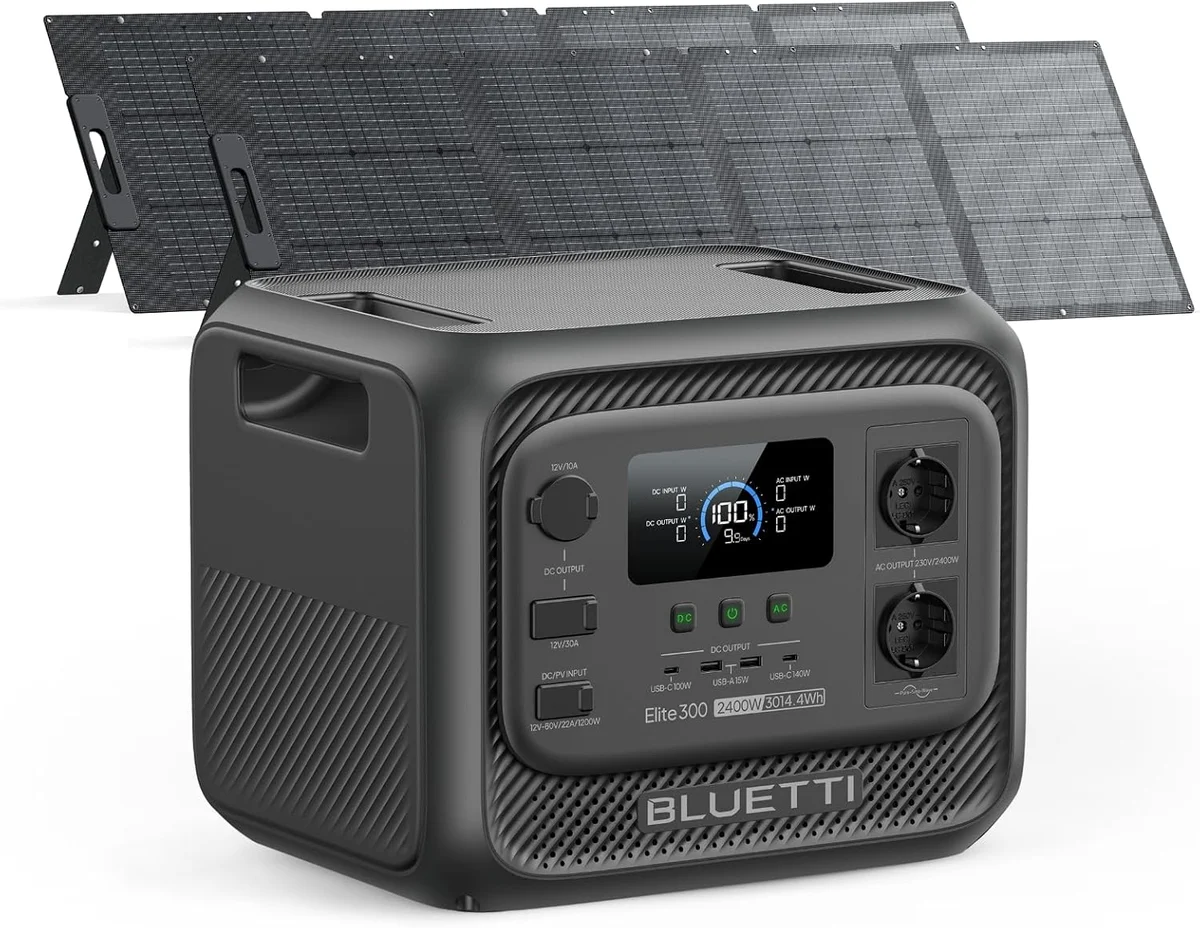
A portable power station is a battery, an inverter and a set of outlets in one box. It runs your fridge, CPAP, router and phones through an outage with no fuel, no fumes and no noise — which is why it is the only category on this page you can legally run indoors.
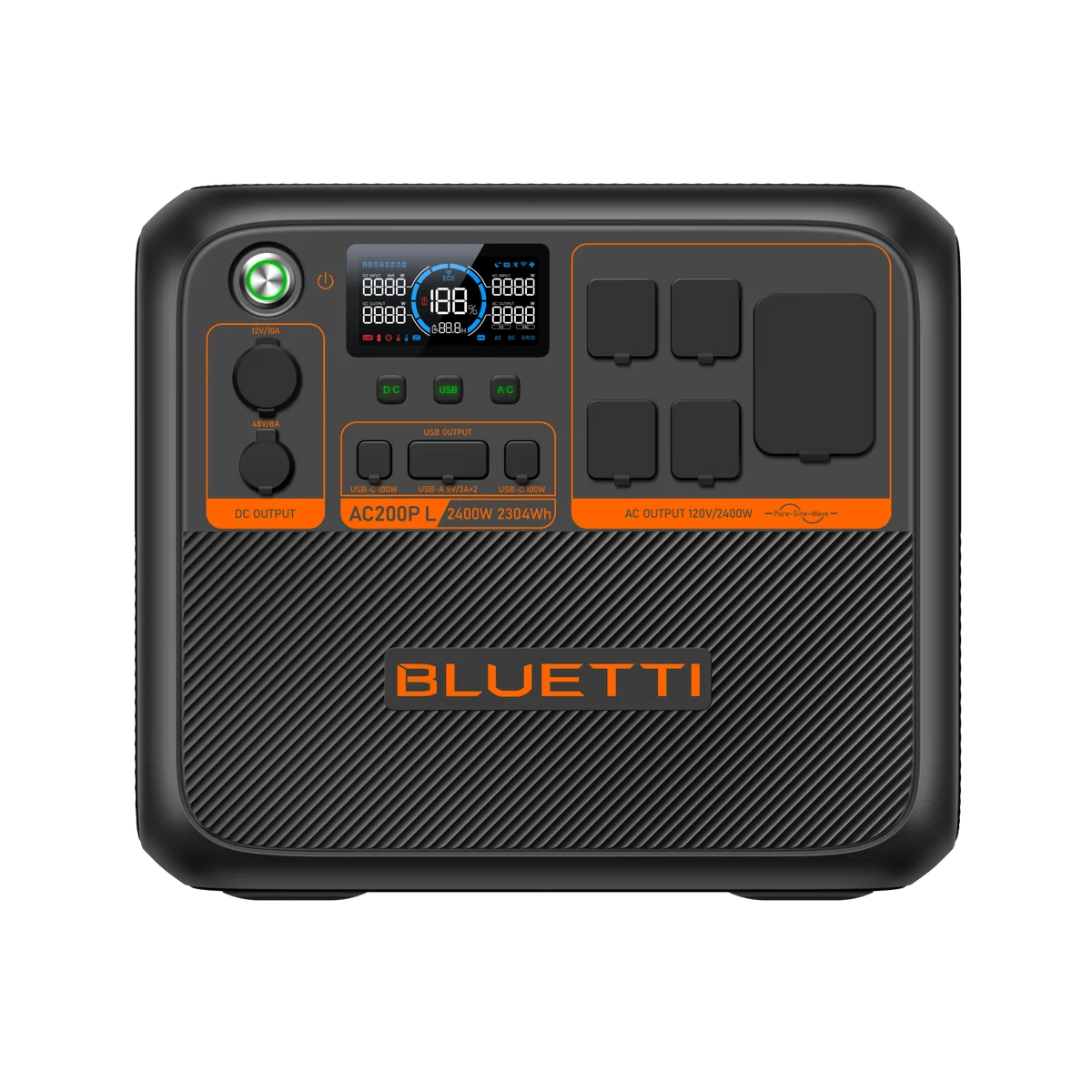
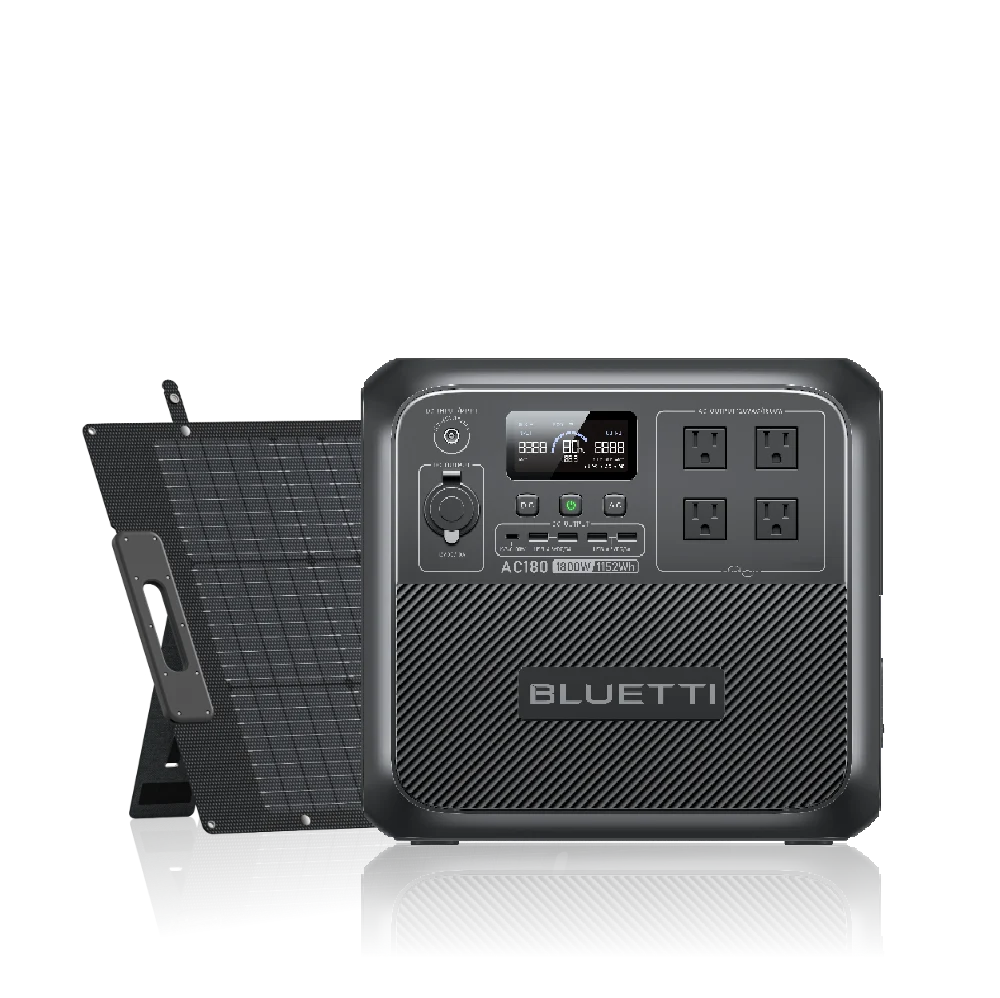
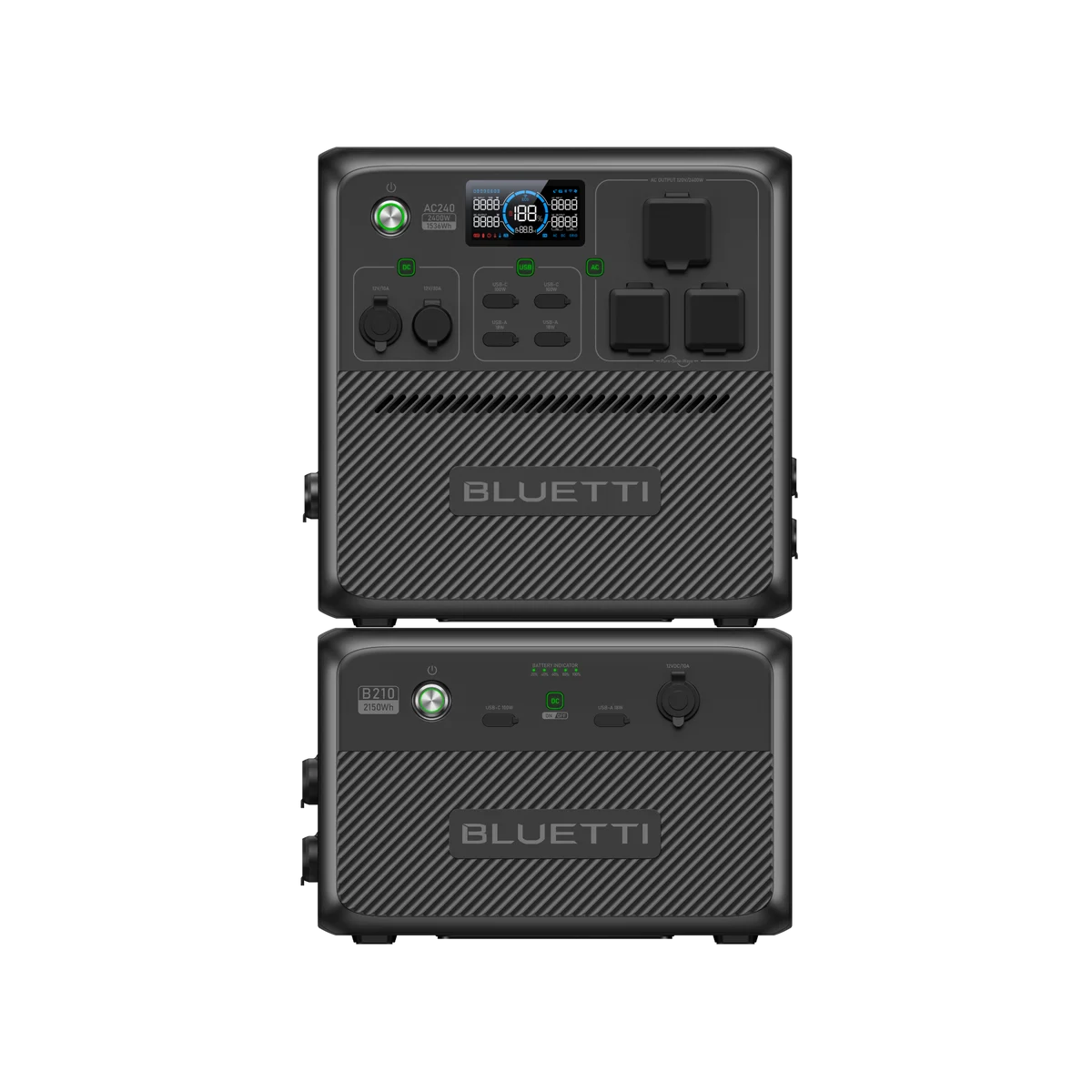
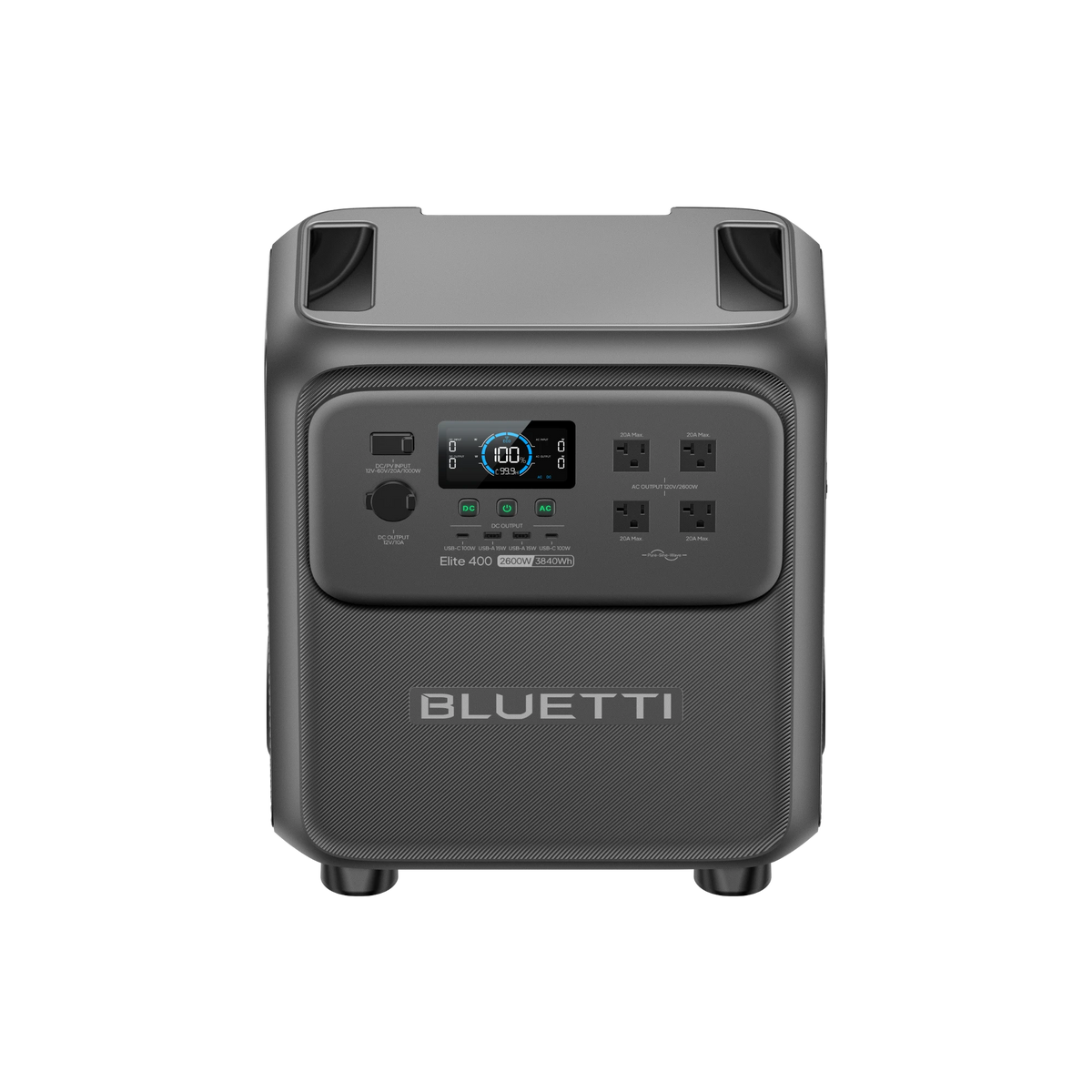
The listings below span roughly 128 Wh to 4,608 Wh of storage. Capacity in watt-hours decides how long it runs; continuous output in watts decides what it can start at all. Most buyers get one of those two right and the other wrong, so we show both on every card, alongside the chemistry — LiFePO4 cells last roughly 3,000–5,000 cycles against 500–800 for older NMC packs.
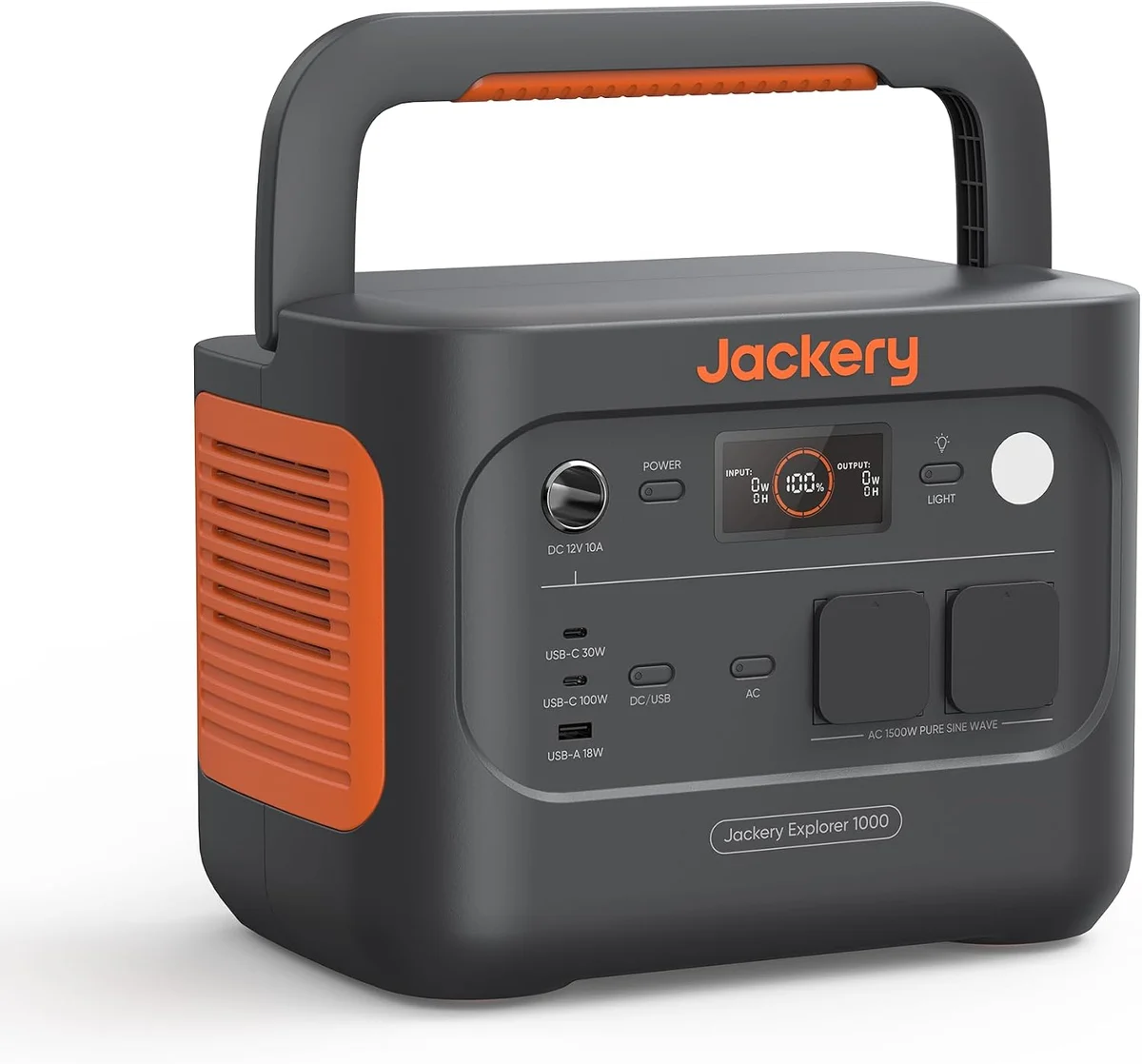
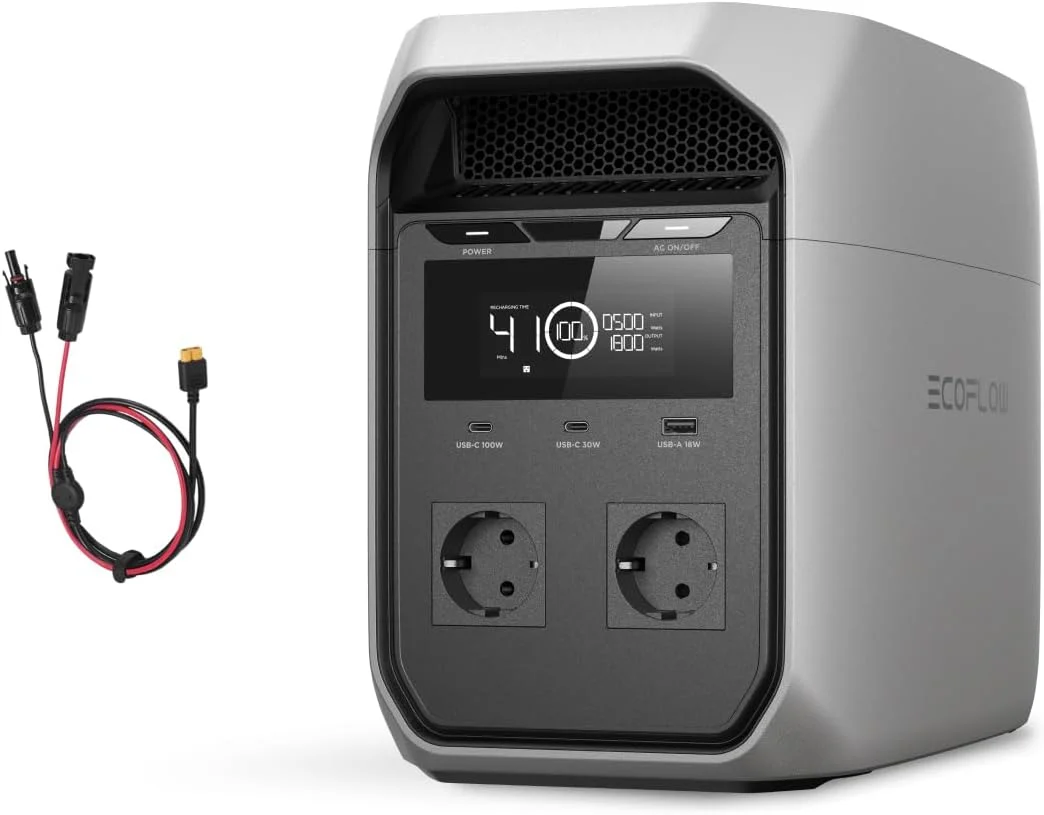
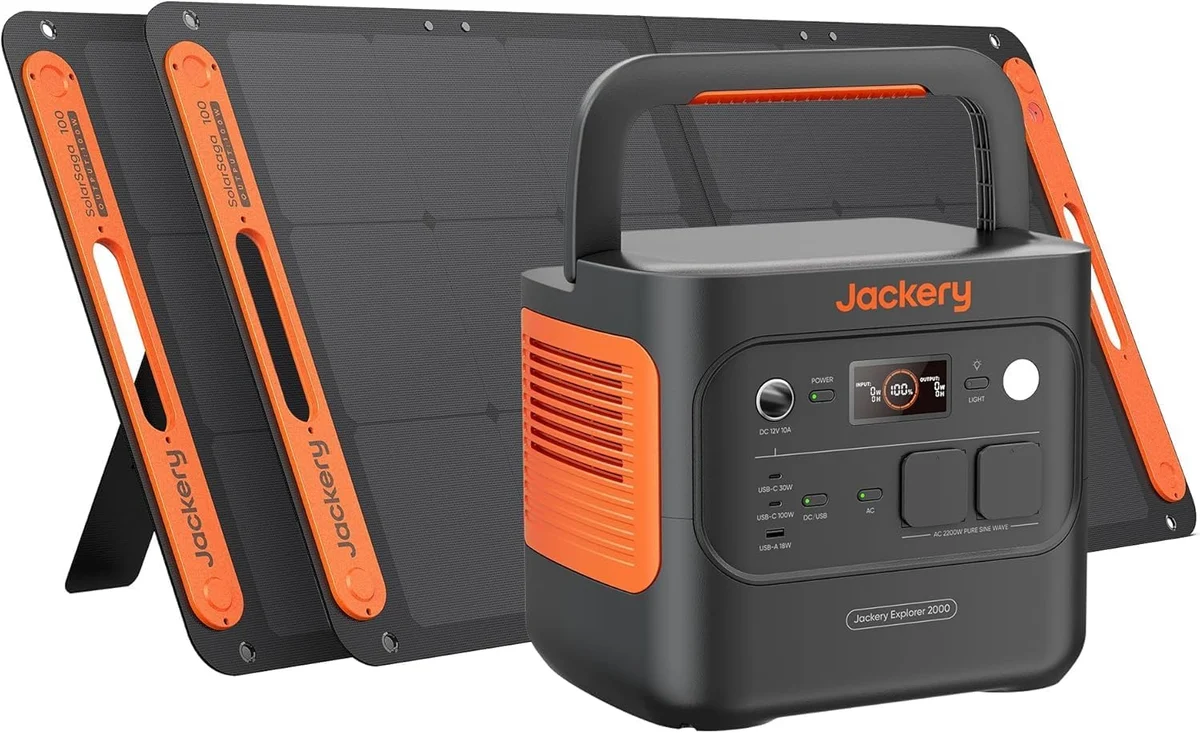
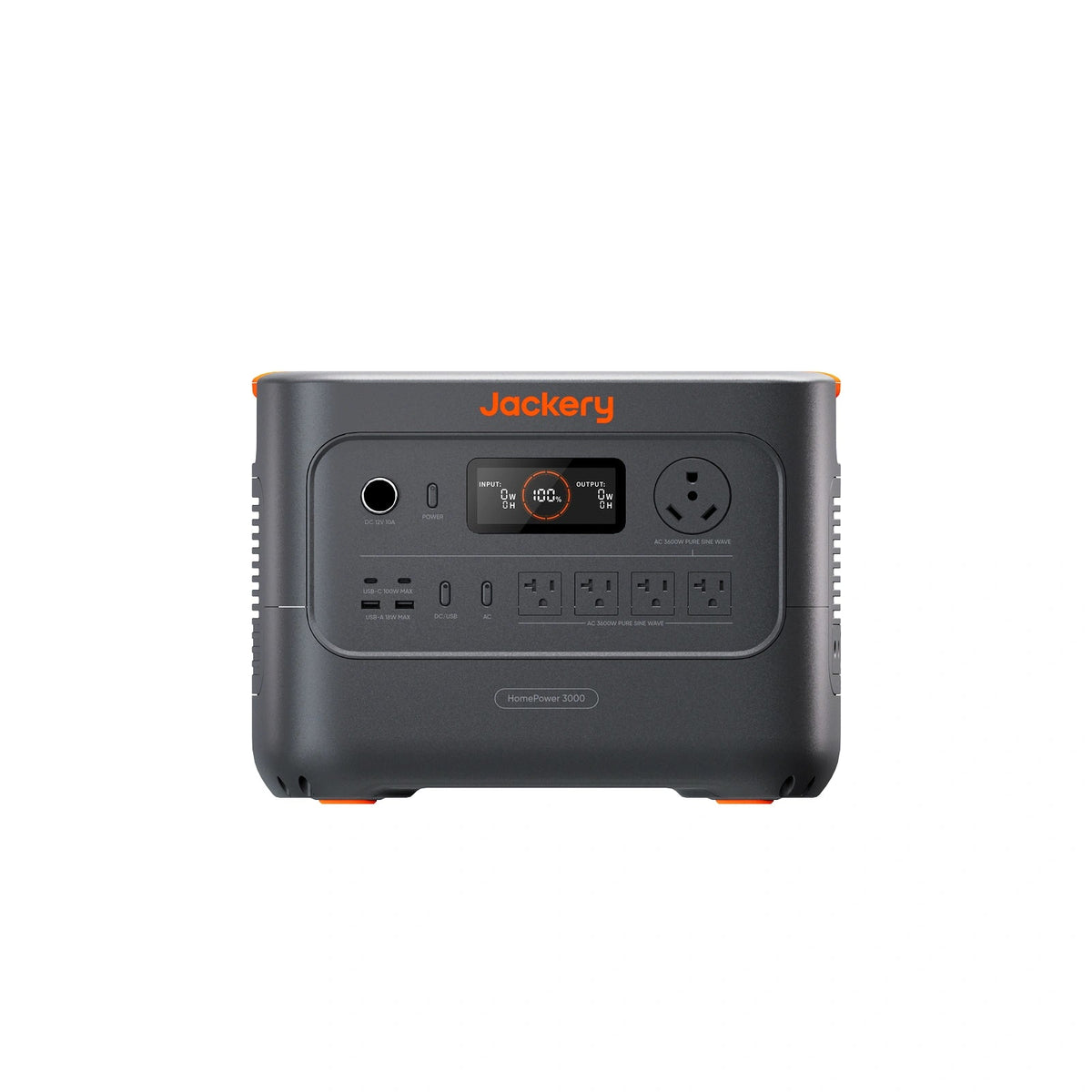
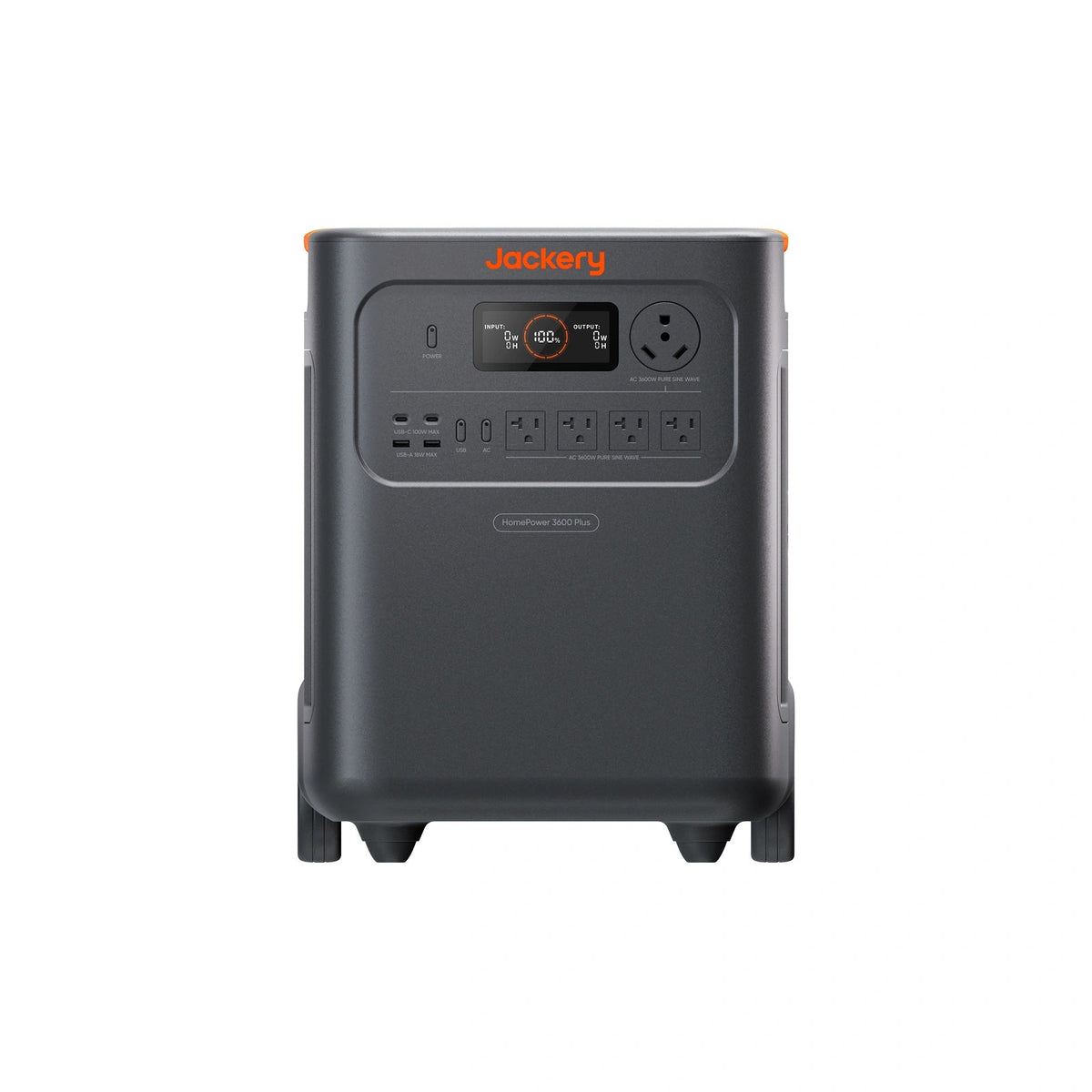
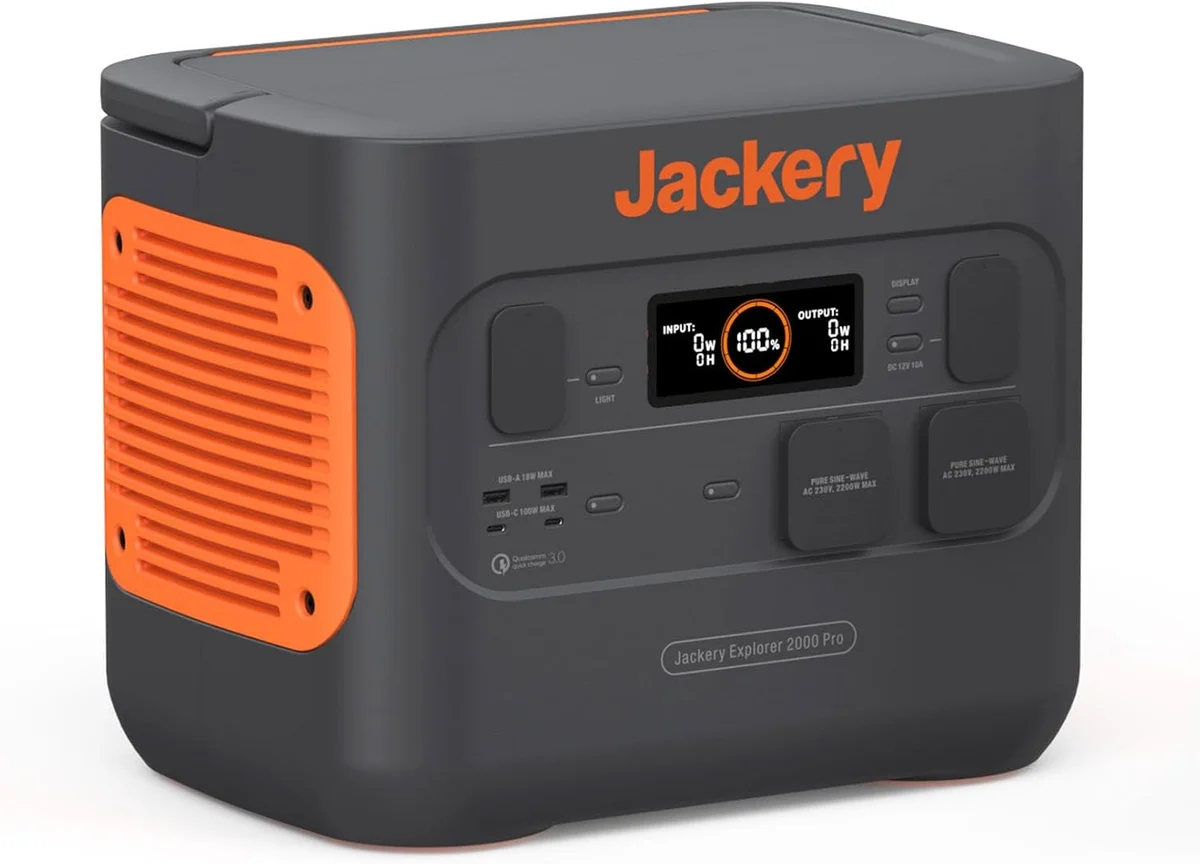
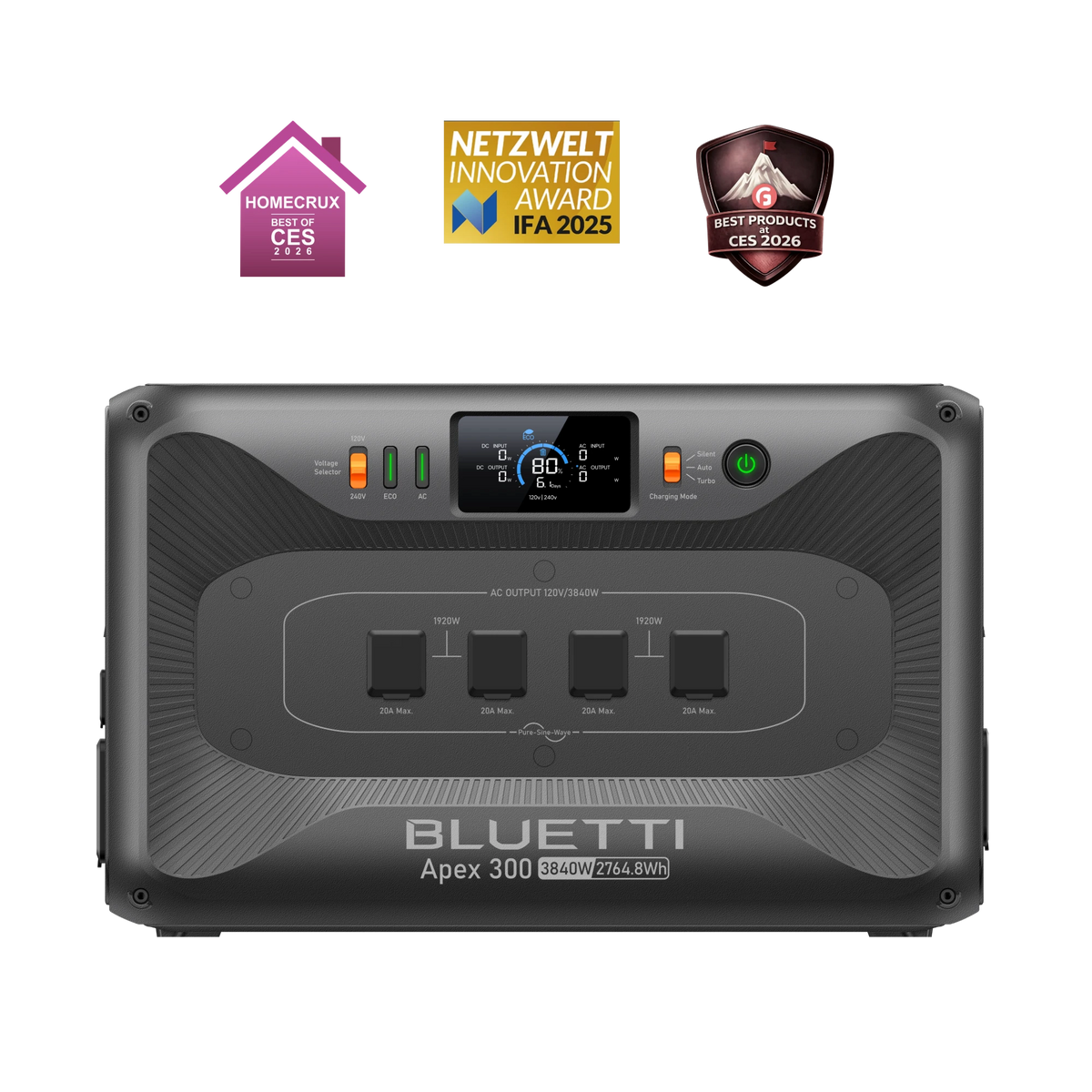
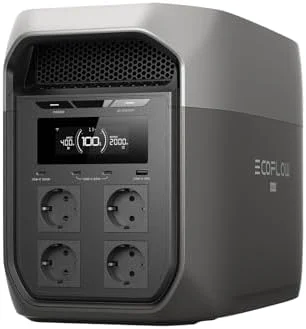
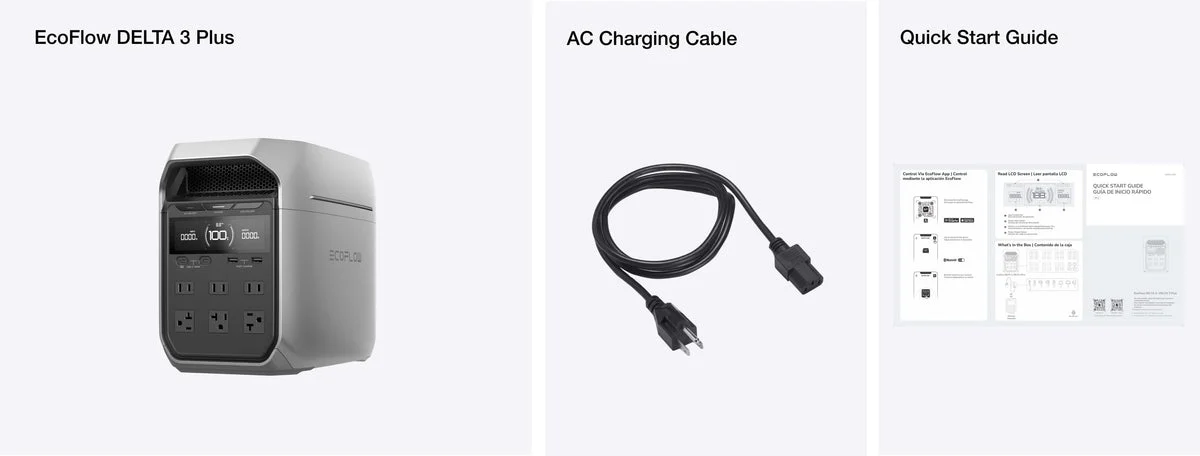
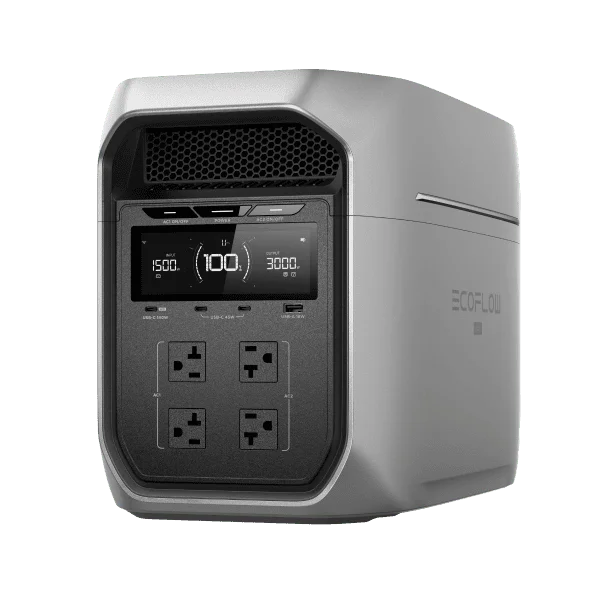
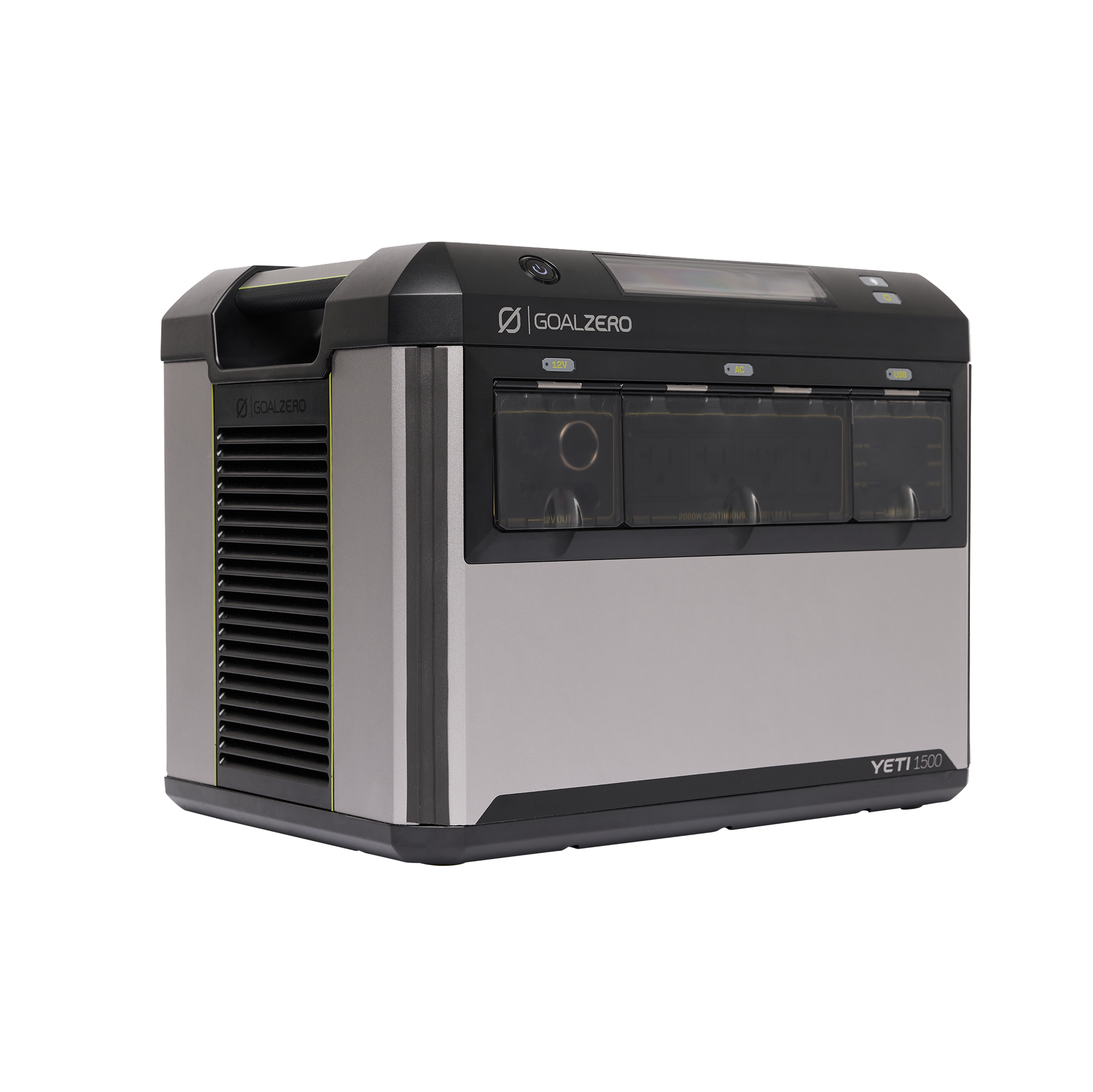
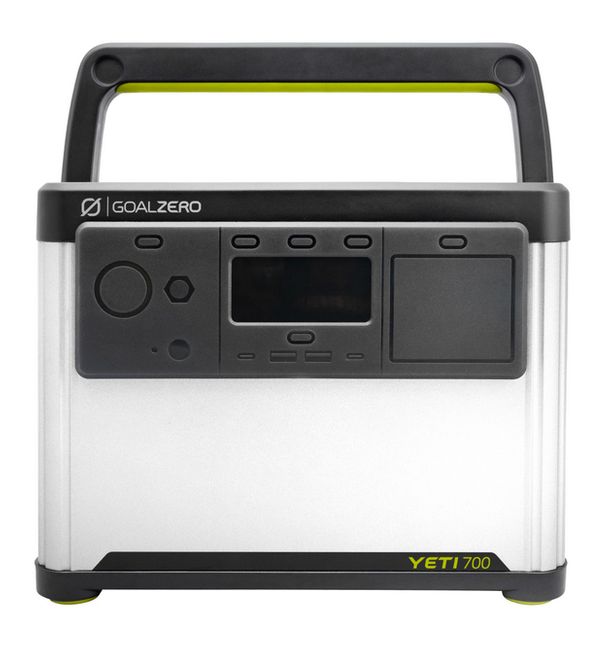
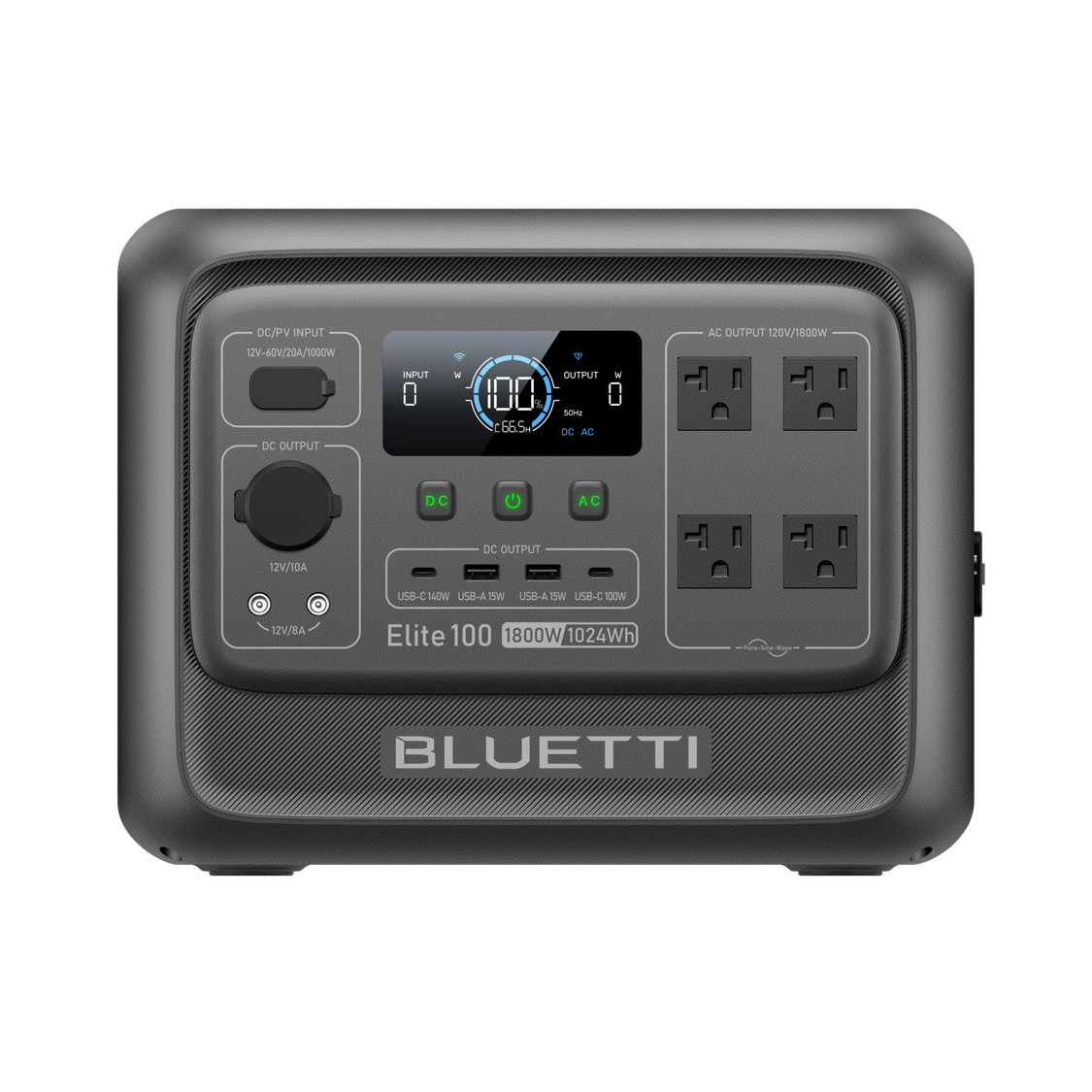
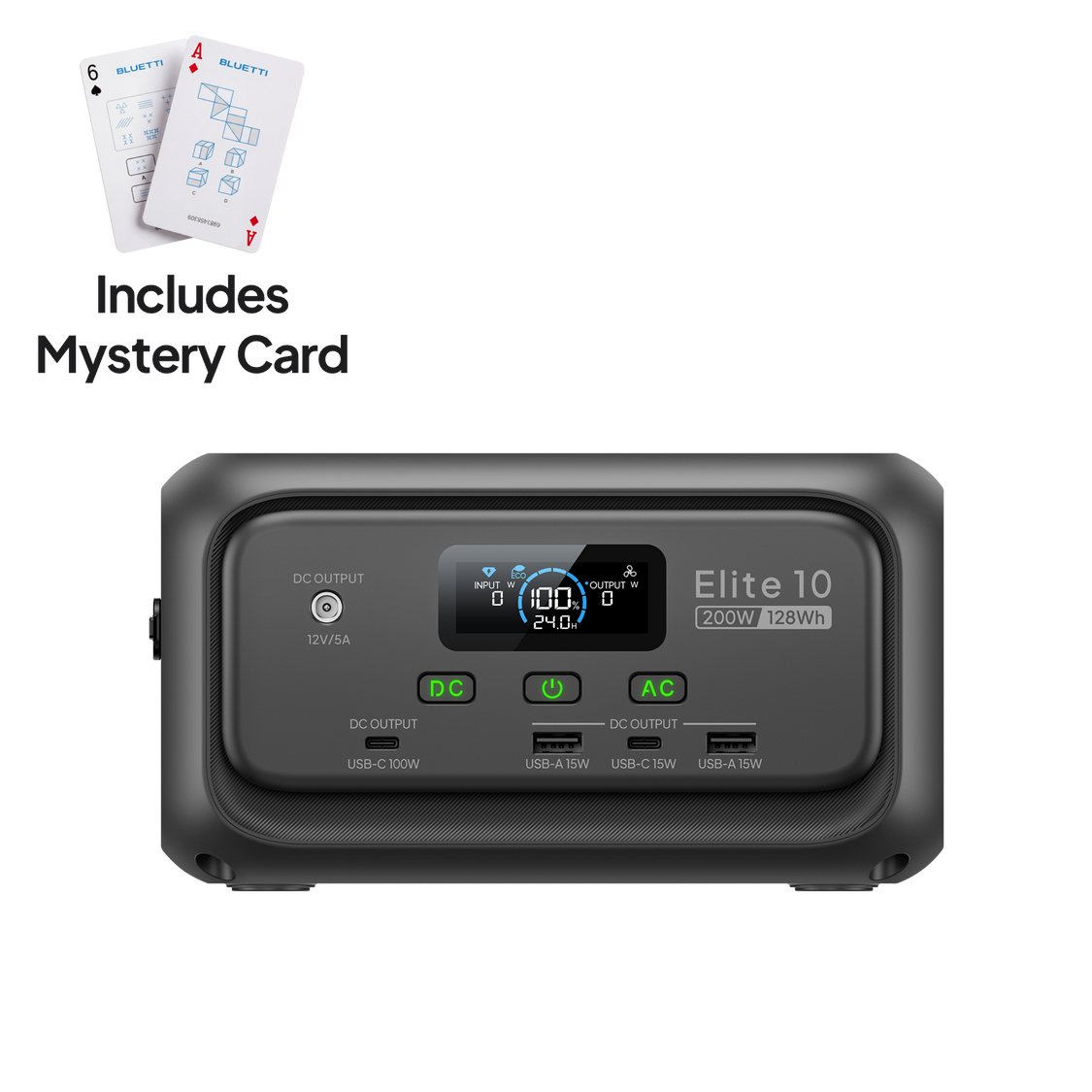
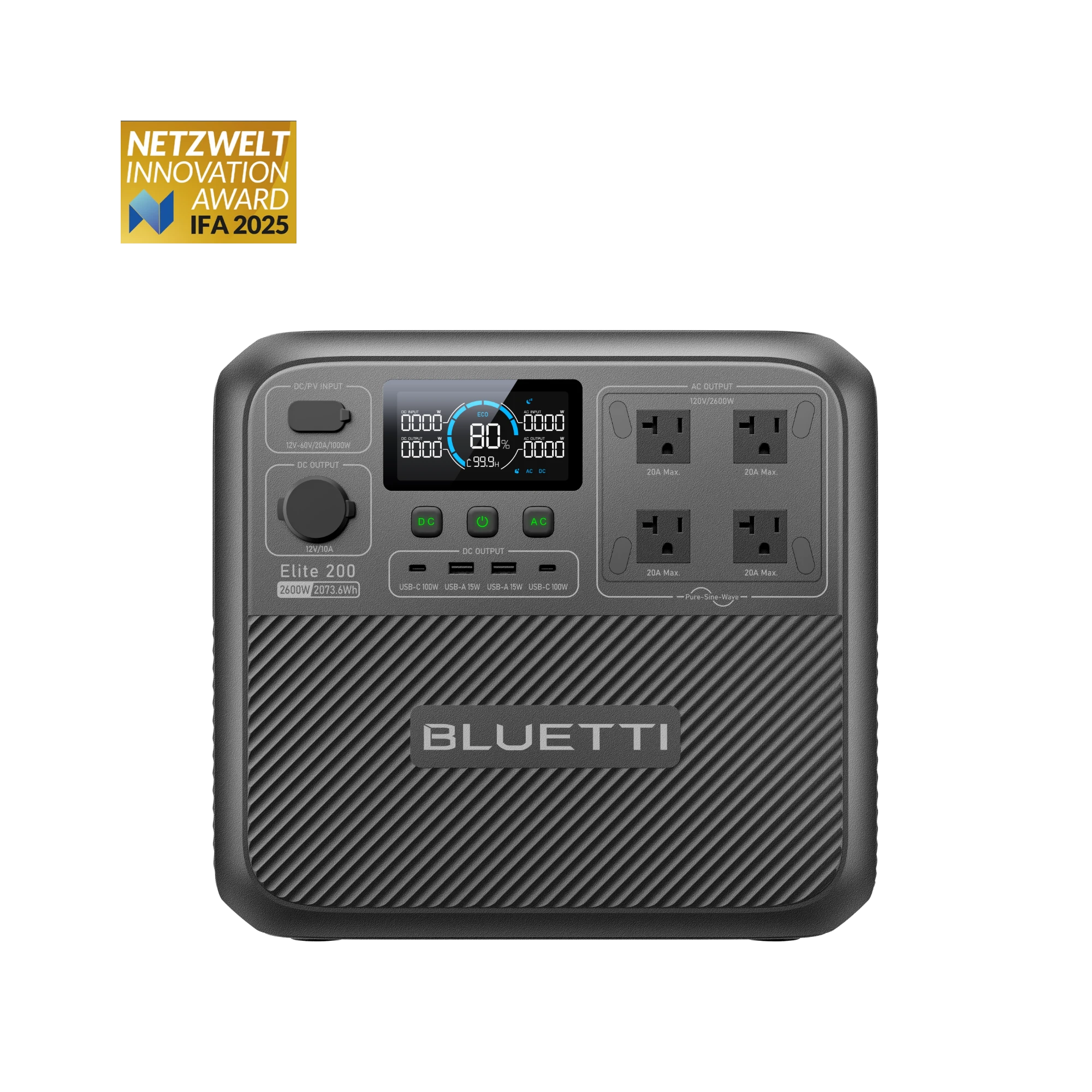
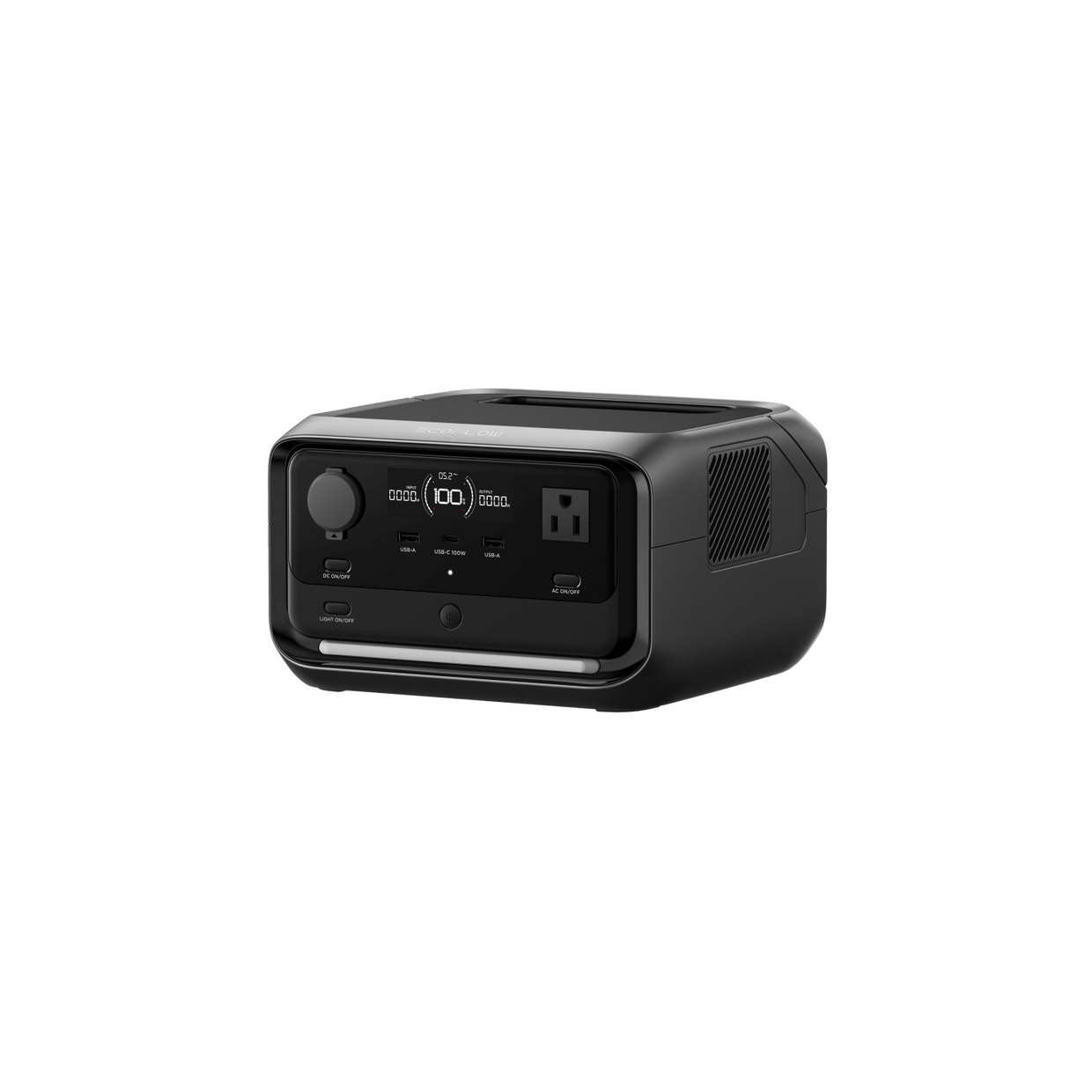
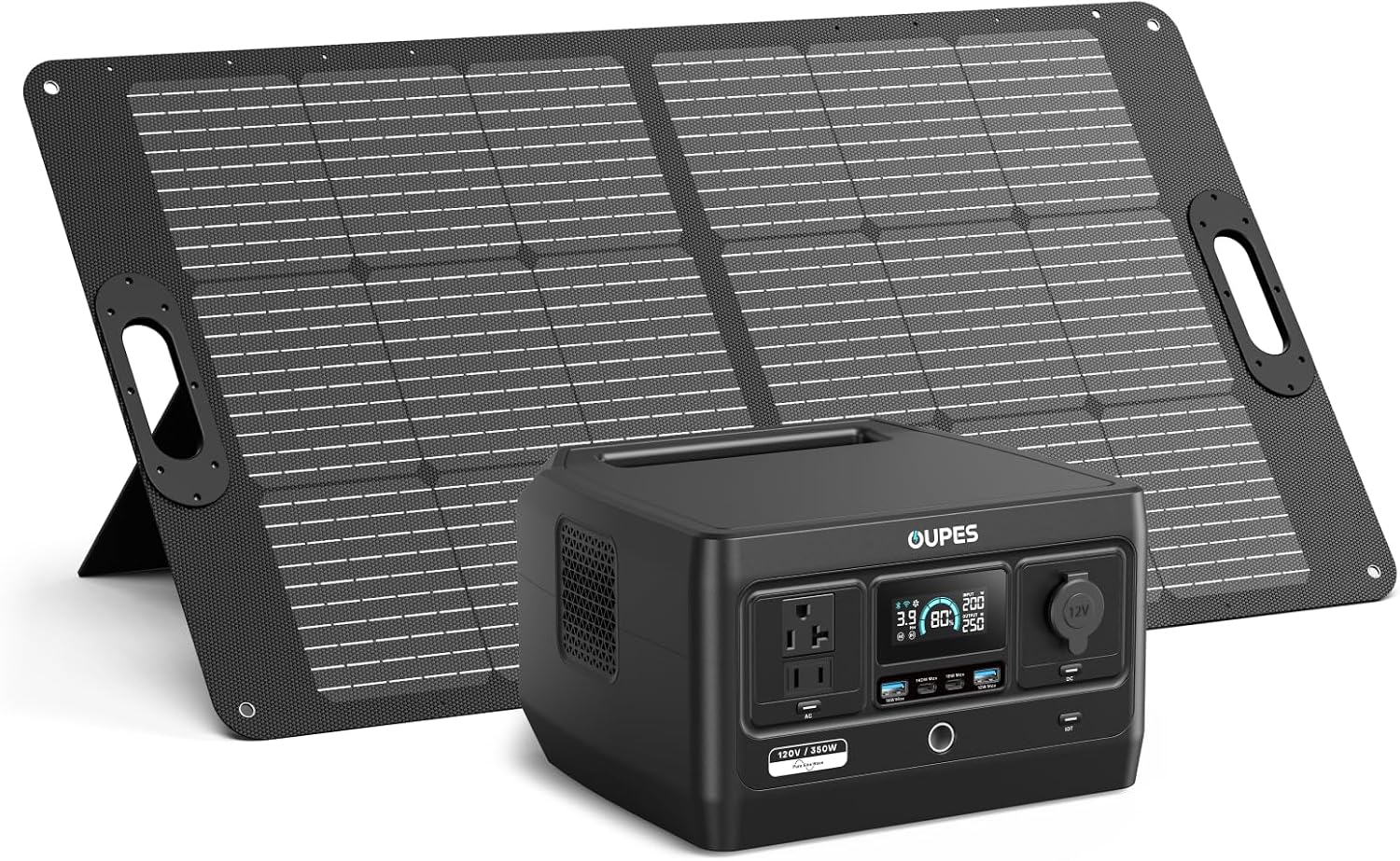
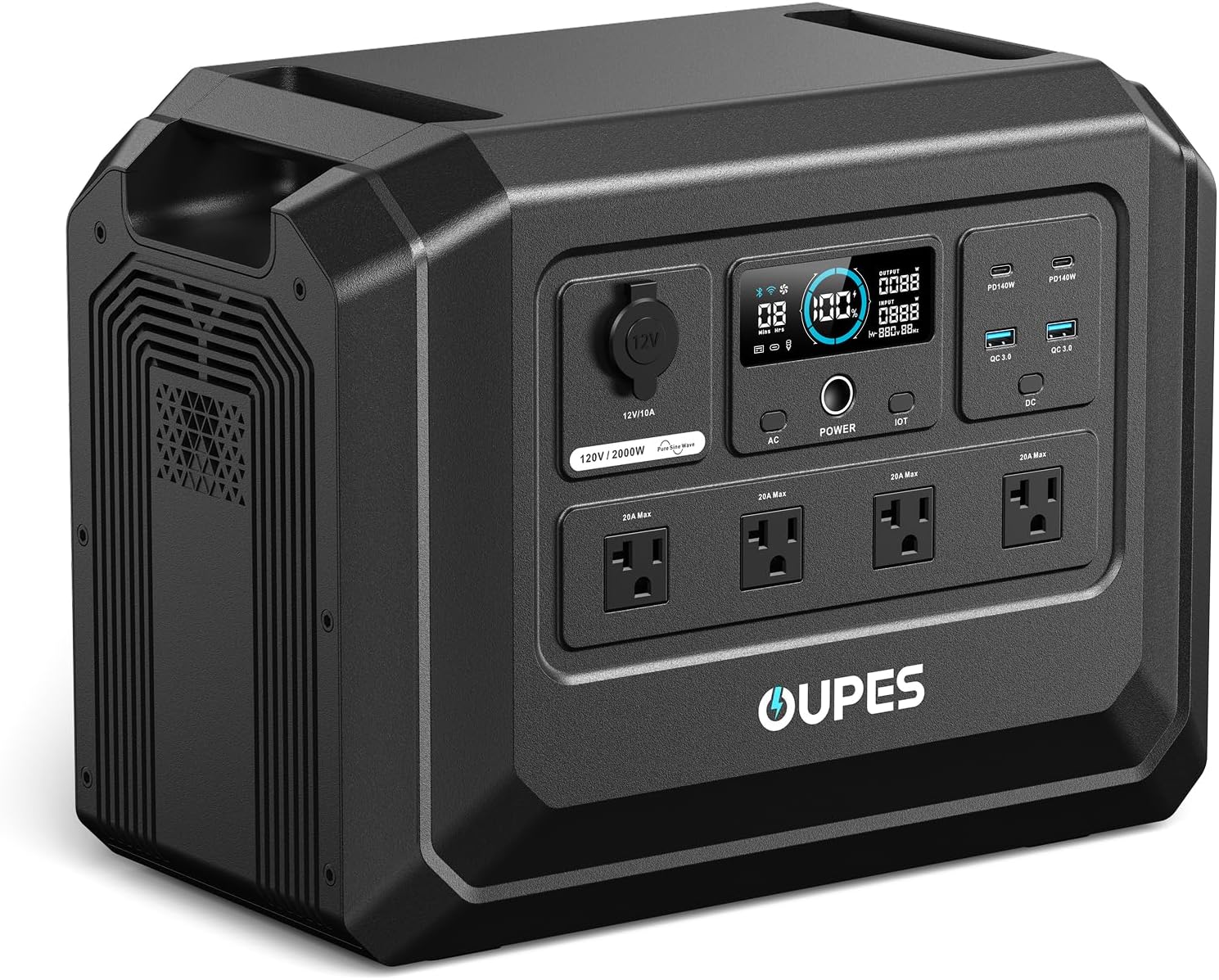
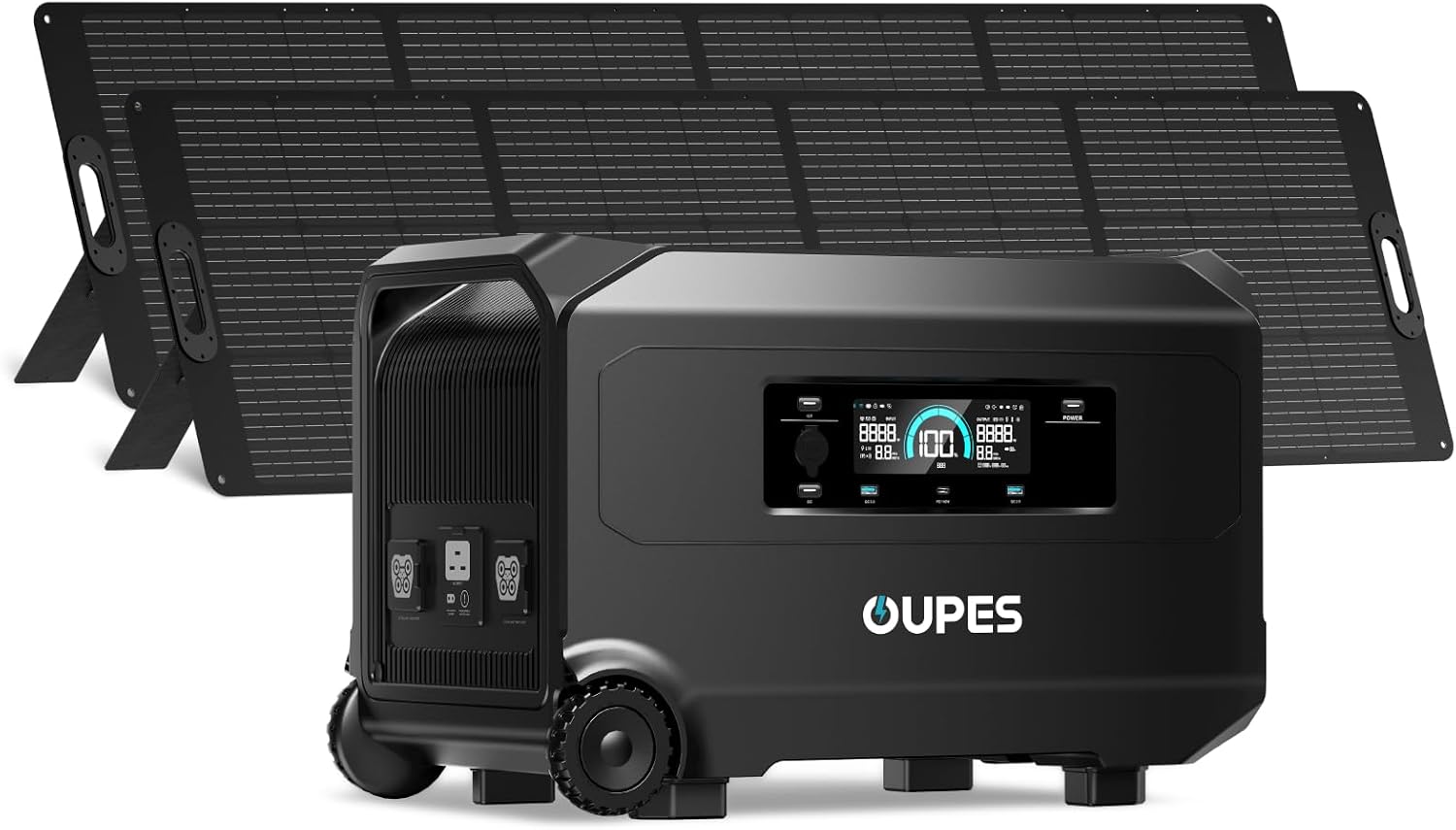
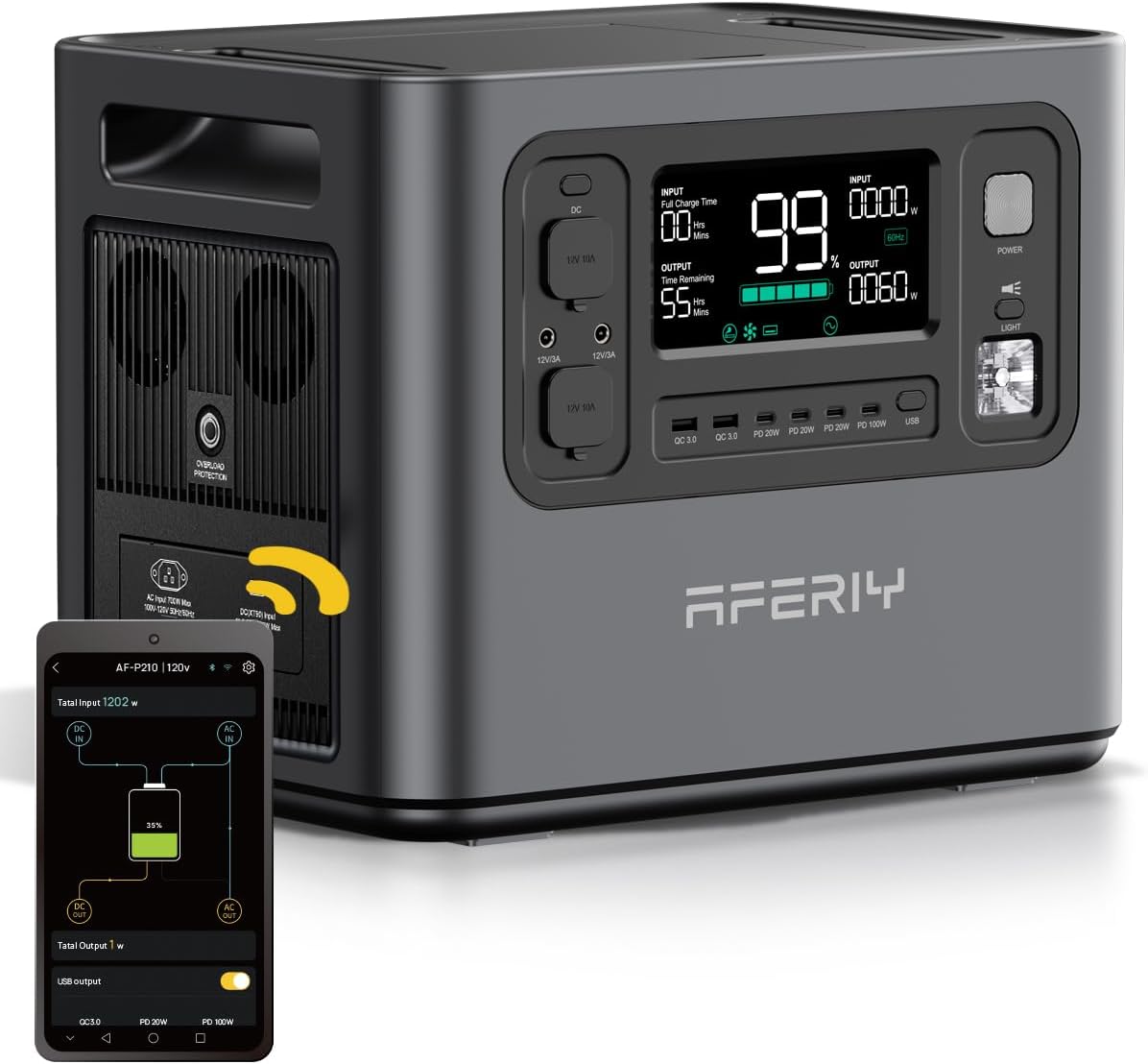
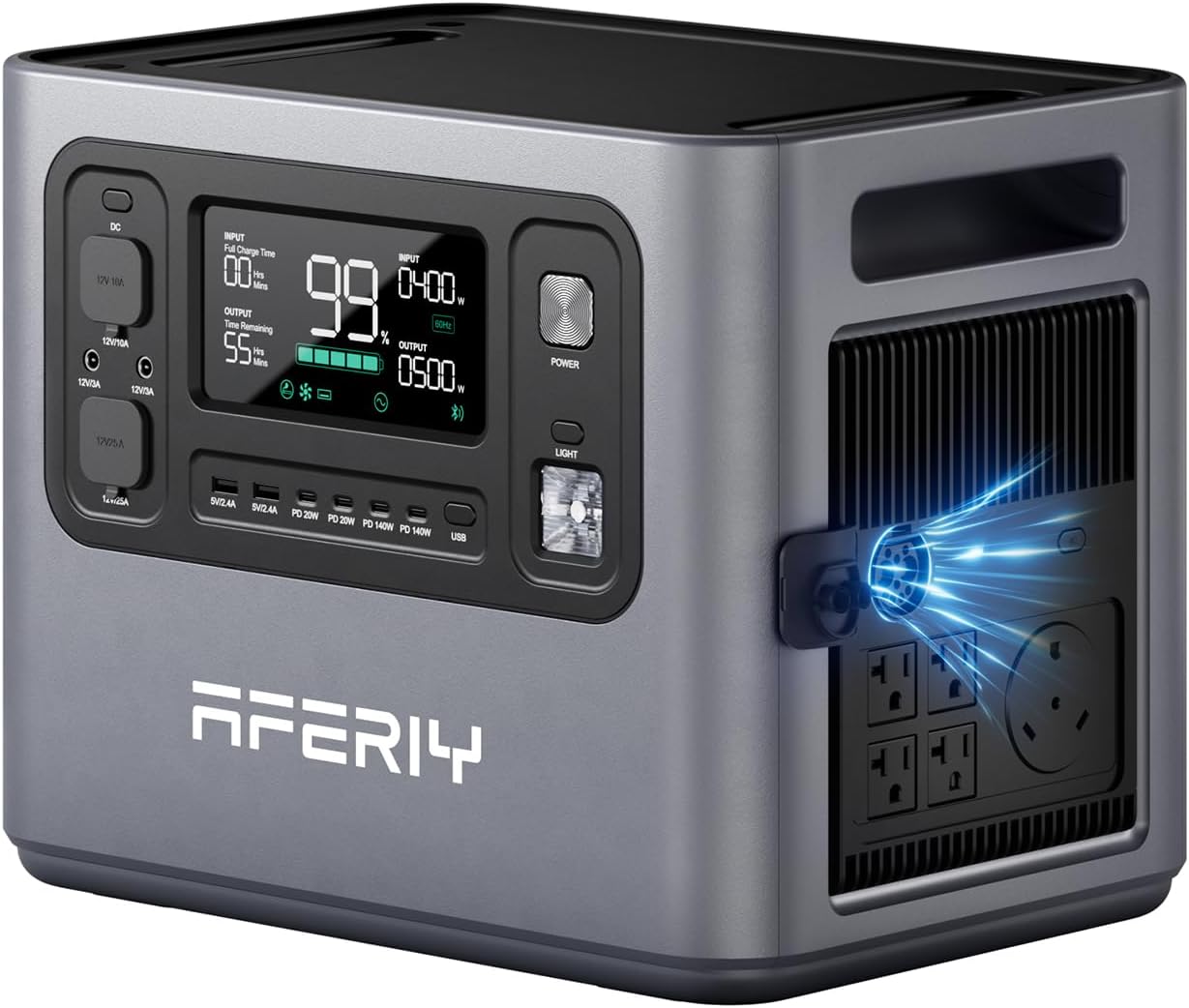
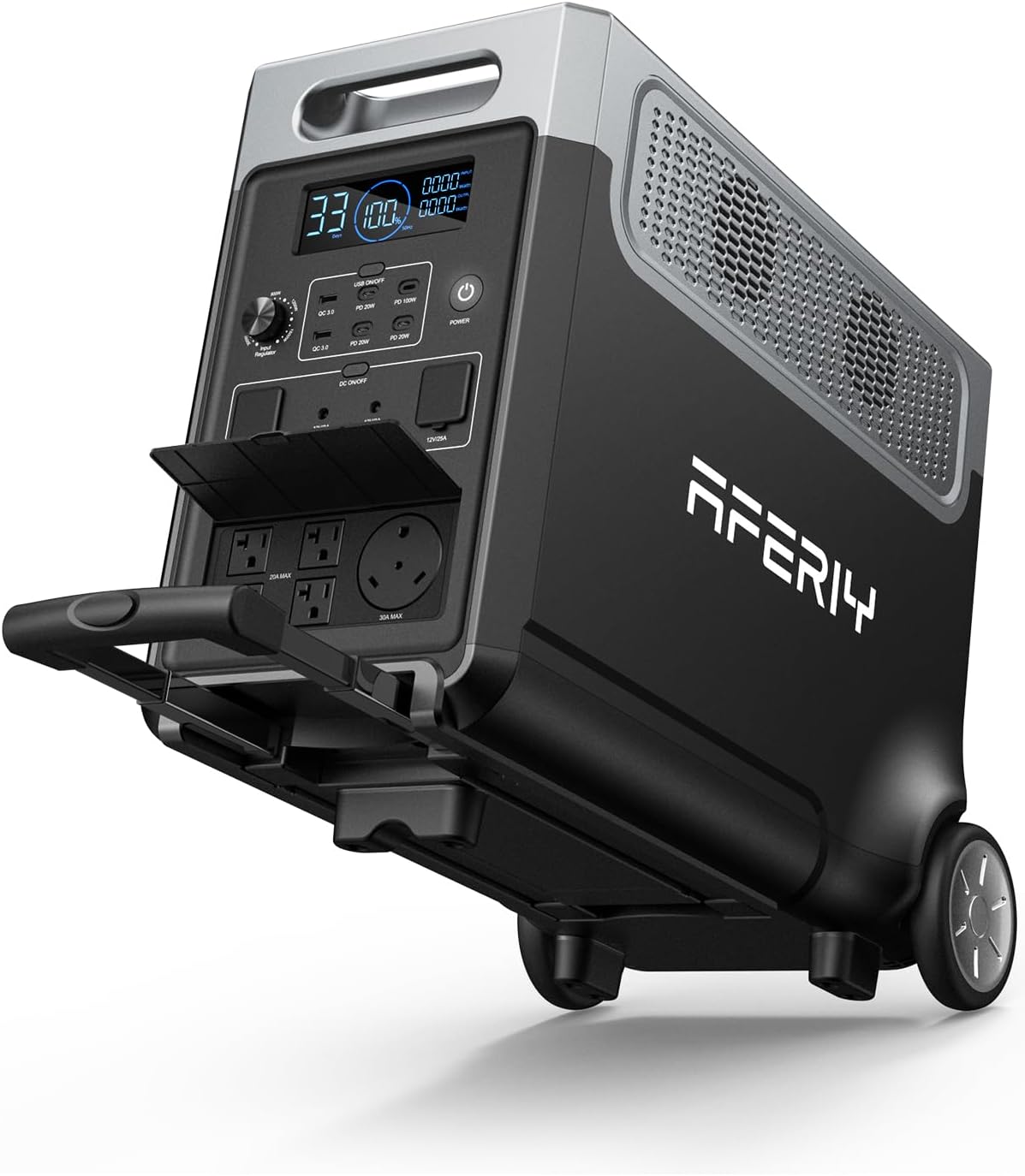
No products match these filters.
Add up the watts of everything you want running at once, multiply by the hours you need it, then add about 15% for inverter losses. A fridge, a few lights, a router and phone charging comes to roughly 1,000–1,500 Wh per day. Our wattage calculator does the arithmetic from an appliance list, including the surge figures that catch people out.
Yes. A battery produces no exhaust, so unlike a fuel generator it is safe inside the house. That is the single biggest practical advantage of this category. Give it ventilation for cooling and keep it off soft surfaces, but there is no carbon monoxide risk.
Look at surge watts, not running watts. A fridge draws 100–250 W while running but spikes to 3–7 times that for a fraction of a second when the compressor kicks in. A unit rated 1,000 W continuous with a 2,000 W surge handles almost any household fridge; one rated 1,000 W with no surge headroom may not.
For anything you plan to keep more than a couple of years, yes. LiFePO4 (lithium iron phosphate) is rated for roughly 3,000–5,000 cycles to 80% capacity against 500–800 for NMC, tolerates heat better and is more thermally stable. NMC is lighter per watt-hour, which matters if you are carrying it. Every card below shows the chemistry.
Charge it to roughly 50–80% and check it every three to six months. Lithium cells degrade fastest when stored full or empty, and a unit left at 100% for two years will have lost noticeably more capacity than one stored at half. Some models self-discharge faster than others; the manual gives the figure.
Most of these accept solar input, but check the controller's voltage and amp limits before buying panels — that ceiling, not the panel wattage, is what caps your recharge speed. Expect a realistic 4–8 usable sun-hours a day in good conditions, less in winter or under cloud.