

LiFePO4 Batteries
Bare lithium iron phosphate batteries — the building blocks for a van, boat, RV or off-grid shed, where you supply your own inverter and charger rather than buying an all-in-one box.
They cost more up front than lead-acid and less over their life by a wide margin: roughly 3,000–5,000 cycles against 300–500, and you can use about 80–100% of the rated capacity instead of the 50% that keeps a lead-acid battery healthy. A 100 Ah LiFePO4 therefore does the work of a 200 Ah lead-acid pair at about a third of the weight.
14 products
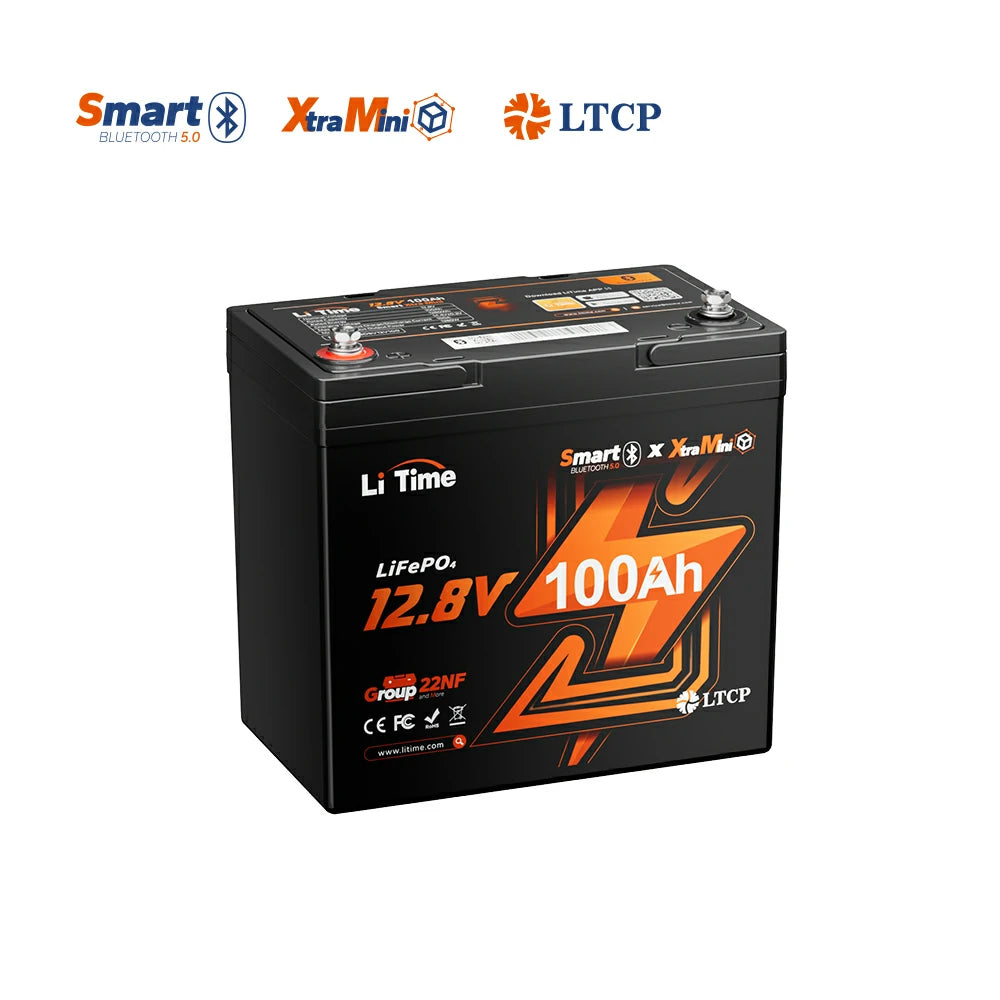
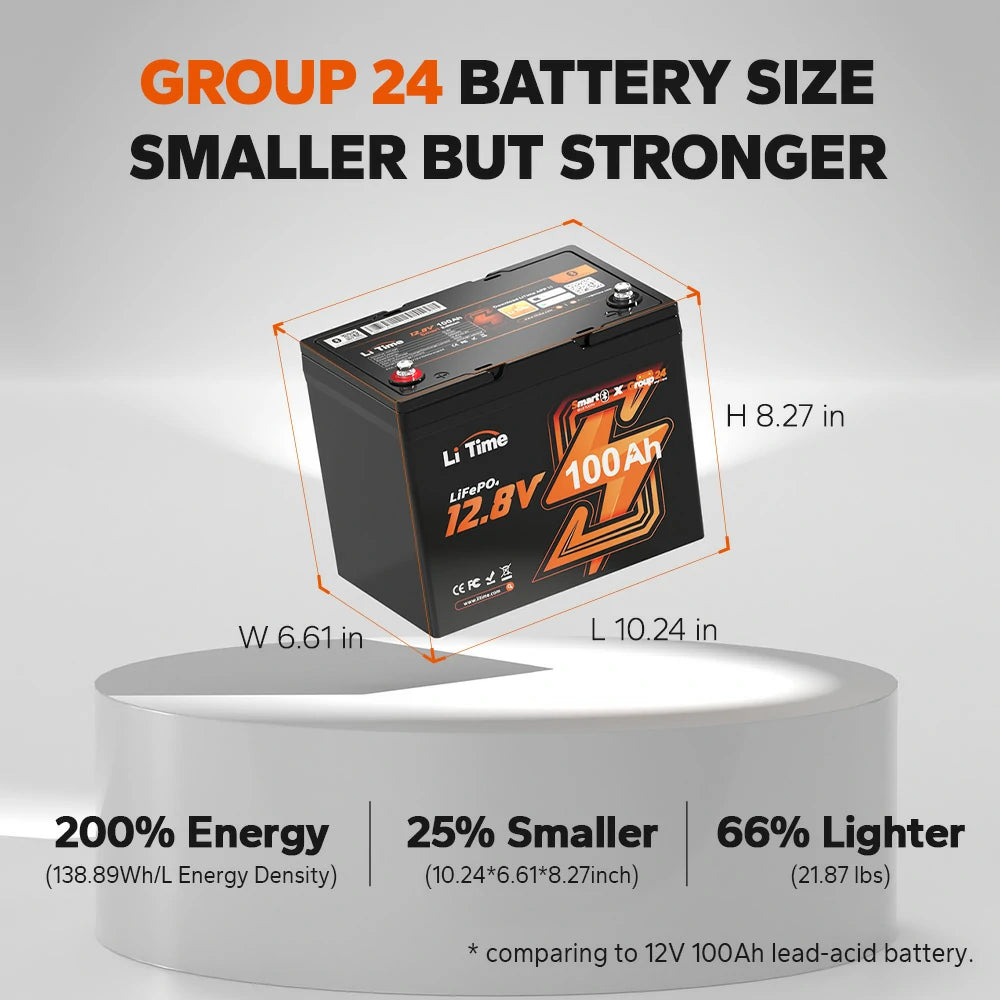
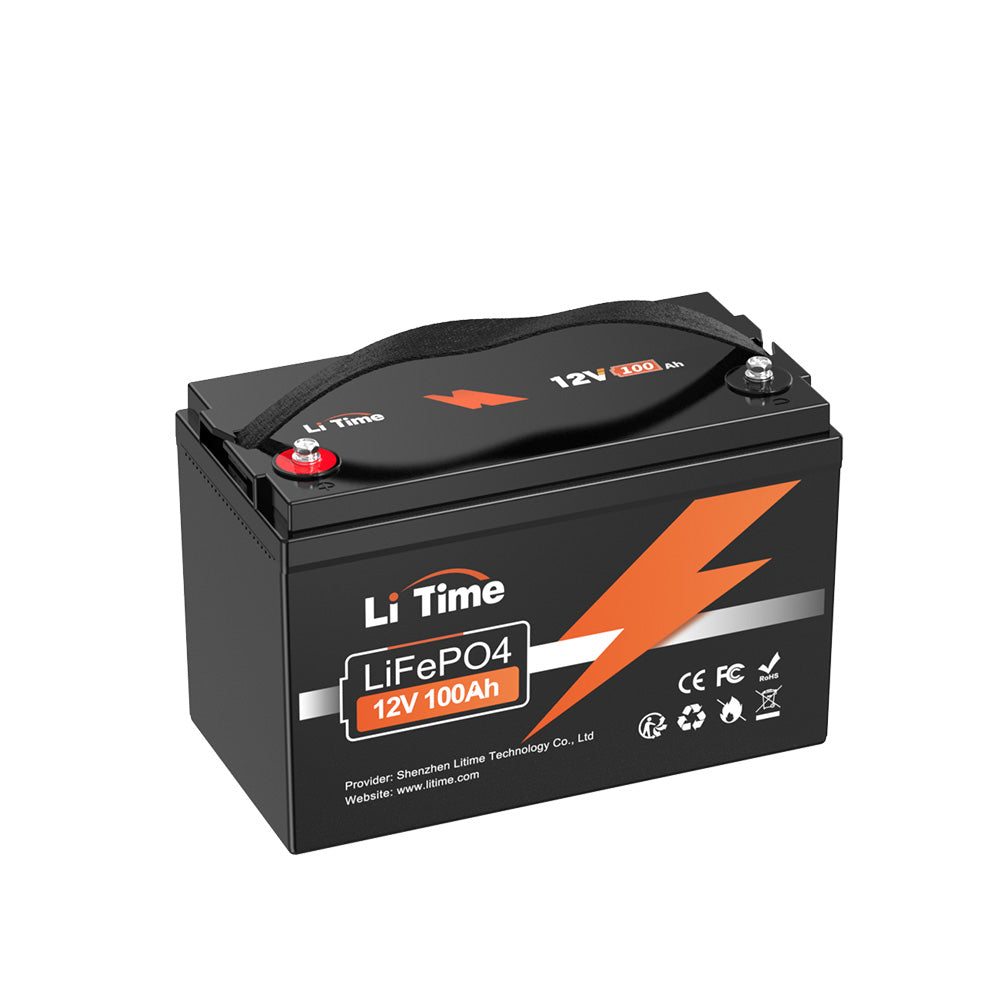
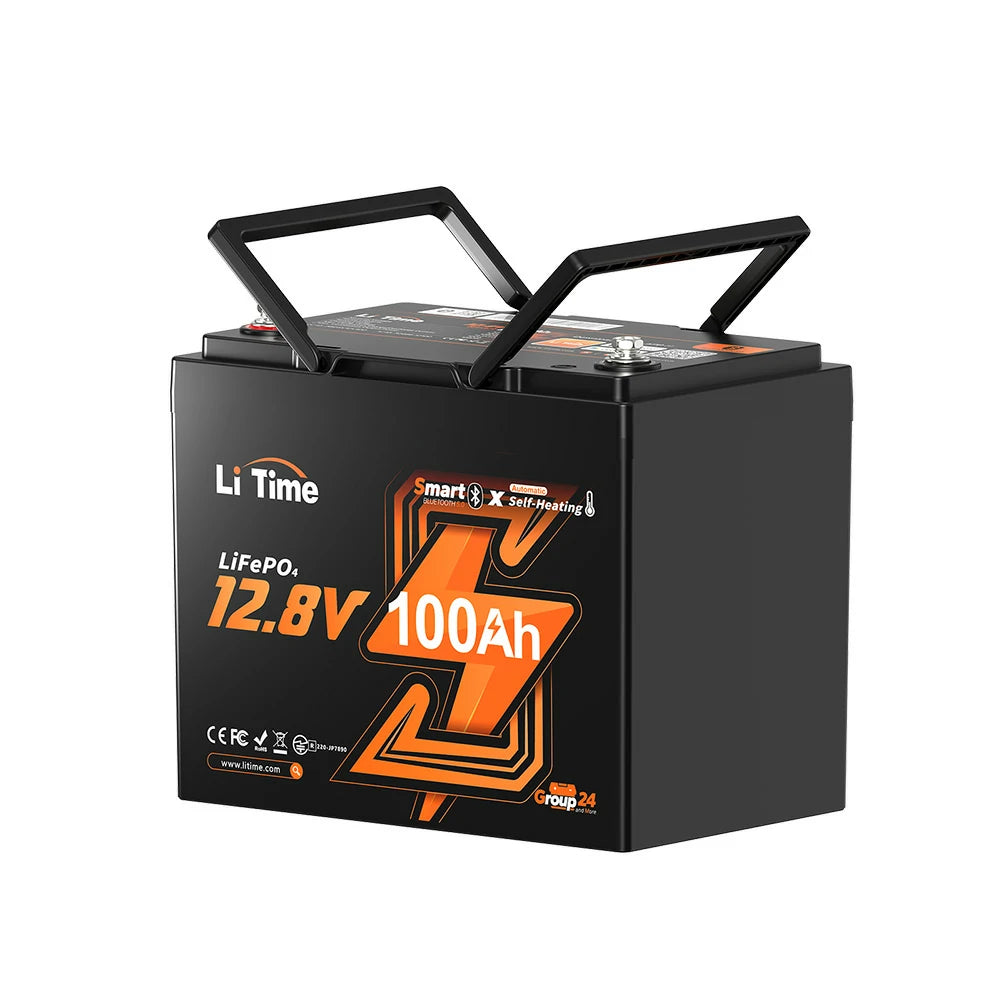
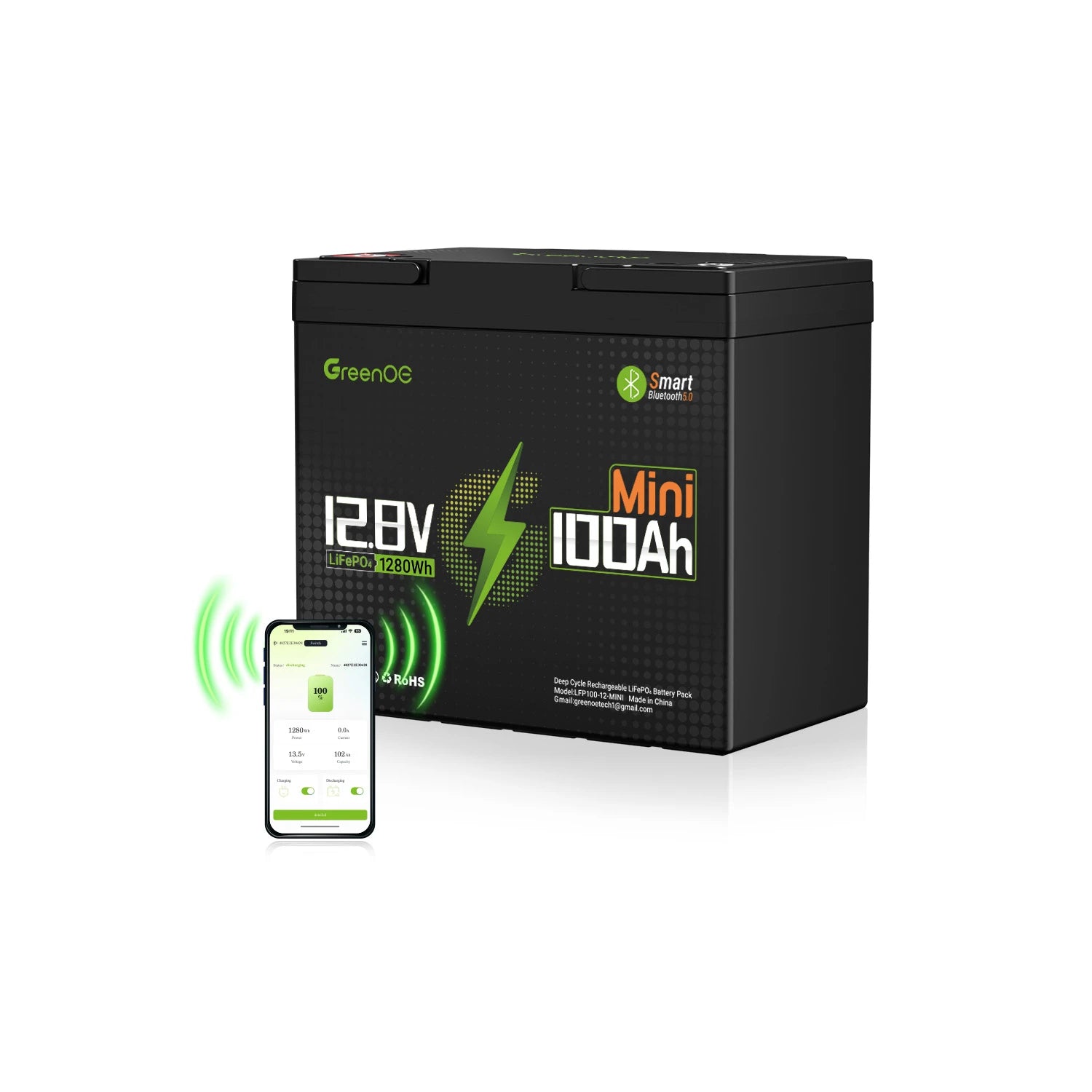
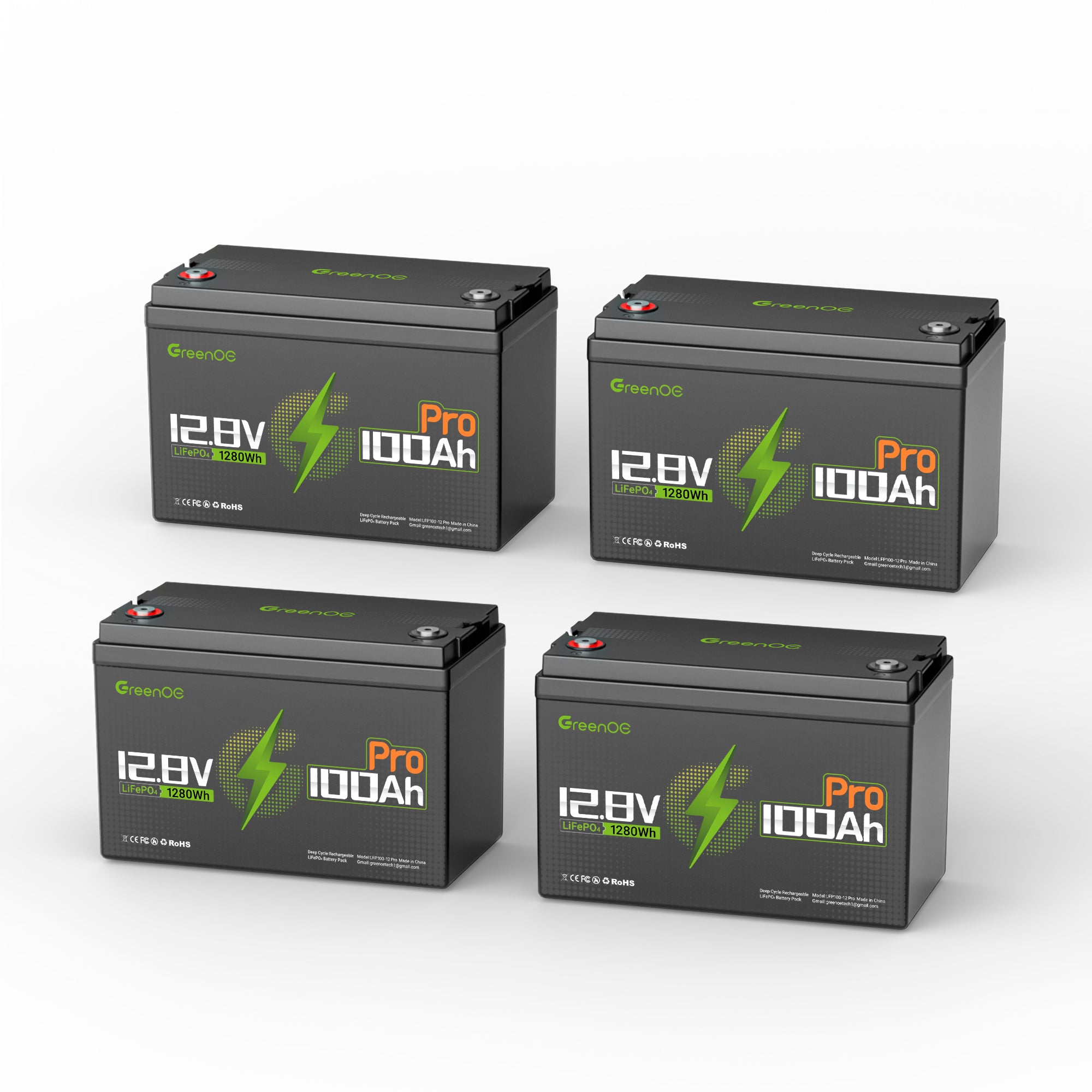
GreenOE
GreenOE 12V 100Ah LiFePO4 Battery, G31 Pro (BCI Group 31)
1,280 Wh20.23 lb
$219.00
View on Amazon
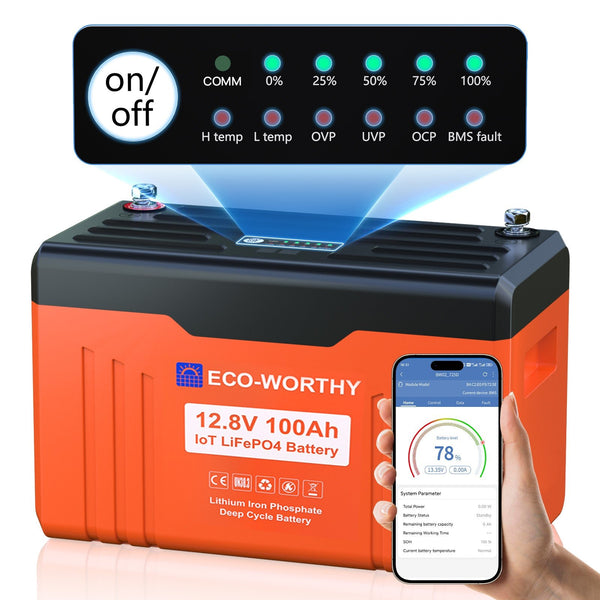
ECO-WORTHY
ECO-WORTHY 12V 100Ah LiFePO4 Battery (Upgraded 2.0)
1,280 Wh25.1 lb
$179.00
View on Amazon
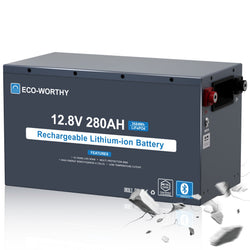
ECO-WORTHY
ECO-WORTHY EnergyRock 12V 280Ah LiFePO4 Battery (Metal Case)
3,584 Wh2,560 W63.9 lb
$599.00
View on Amazon
No products match these filters.
Filters
Filters
Brand
Price
$139$699
Capacity (Wh)
6404,019
Use case
Minimum rating
FAQ
Why not just buy lead-acid?
Cycle life and usable depth. Discharging lead-acid past 50% shortens its life sharply, so a 100 Ah lead-acid battery realistically gives you 50 Ah; a 100 Ah LiFePO4 gives you 80–100 Ah and does it for five to ten times as many cycles. Over a decade LiFePO4 is usually cheaper per usable kilowatt-hour despite the higher sticker price.
Can I charge one below freezing?
Not without damaging it. Charging LiFePO4 below 0 °C causes lithium plating and permanent capacity loss. Discharging in the cold is fine. If the battery will live somewhere that freezes, buy a model with a built-in low-temperature cutoff or self-heating — many now include it, and the spec sheet says so.
What is a BMS and do I need one?
A battery management system protects the cells from over-charge, over-discharge, over-current and temperature extremes, and keeps the cells balanced. Every reputable drop-in LiFePO4 battery has one built in. If a listing does not mention its BMS, treat that as a reason to look elsewhere.
Can I mix these with my existing lead-acid batteries?
No. They have different charging voltages and curves, and paired together the lithium will take most of the load while the lead-acid stays chronically undercharged, damaging both. Replace the whole bank at once, and reconfigure the charger to a lithium profile while you are at it.
How do I size a bank?
Work out your daily consumption in watt-hours, then divide by the system voltage to get amp-hours. Add headroom for cloudy stretches — two to three days of autonomy is the usual off-grid rule. Note that amp-hour ratings are quoted at a specific voltage, so a 12 V 100 Ah battery is 1,280 Wh, not directly comparable to a 24 V 100 Ah one.