

A hybrid inverter manages solar, a battery and the grid at once, and — critically — can disconnect from the grid and keep running your house when the grid fails. A standard grid-tied inverter cannot do that no matter what battery you attach to it, which is the single most common misunderstanding in residential solar.
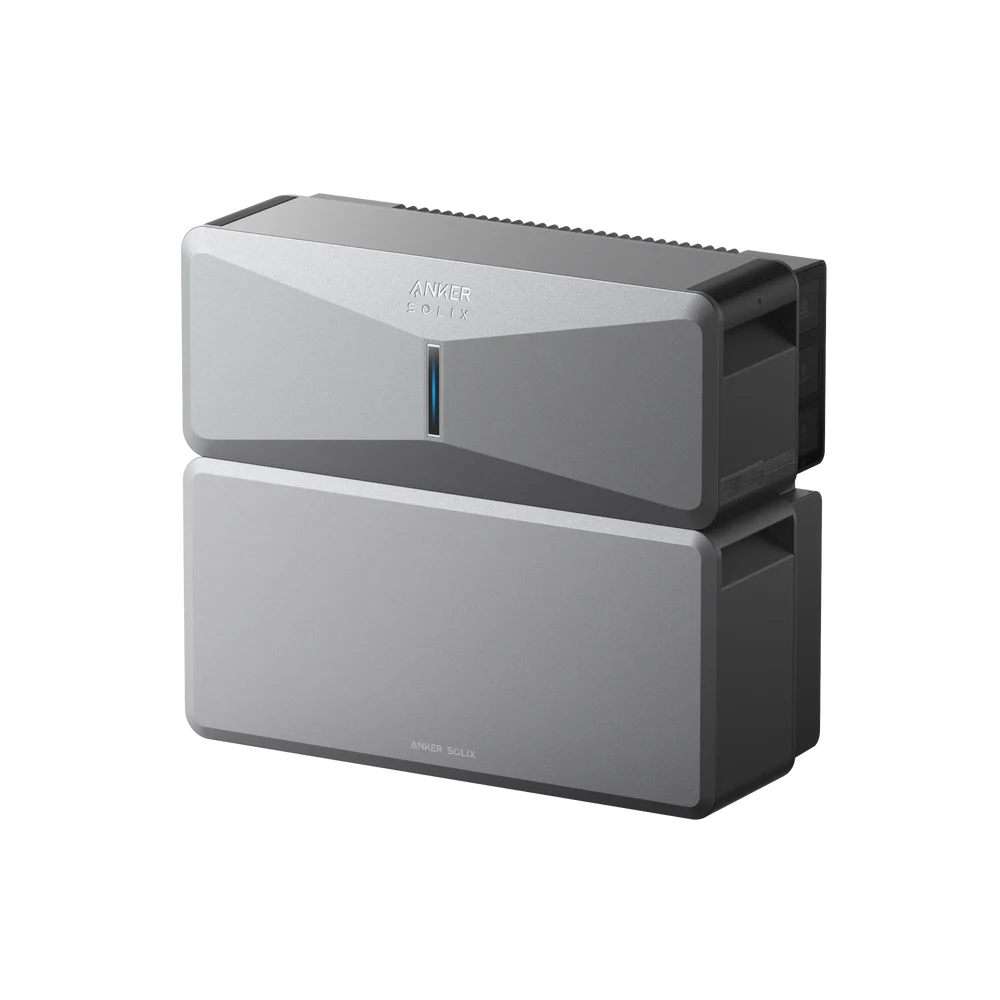
What makes it hybrid
Three capabilities a plain grid-tied inverter lacks:
- A battery port and charge management — it charges the battery from solar or the grid and discharges it under its own logic.
- Islanding. When the grid drops, it opens the connection to the utility and continues powering a critical-loads subpanel from battery and solar. Anti-islanding protection stays intact — it is not defeating the safety requirement, it is disconnecting from the grid so the requirement is satisfied.
- Priority logic. Rules for what solar does first: serve loads, charge the battery, or export.
The distinction that surprises people
Adding a battery to a standard grid-tied system does not give you outage backup. The inverter shuts down when the grid does, so nothing charges and nothing runs. You need either a hybrid inverter or an AC-coupled battery with its own islanding-capable inverter.
This is the same anti-islanding rule that stops plain rooftop solar working in a blackout — we cover the mechanism in can solar panels power a house during a blackout. The hybrid inverter is the component that solves it.
Hybrid versus the alternatives
| Setup | Works in an outage | Cost | Best for |
|---|---|---|---|
| Grid-tied inverter only | No | Lowest | Bill reduction on a reliable grid |
| Hybrid inverter + battery | Yes | Middle-high | New builds wanting solar and backup together |
| AC-coupled battery added to existing solar | Yes | High | Retrofitting an existing grid-tied array |
| Off-grid inverter | N/A — no grid | High | No utility connection at all |
That third row matters if you already have solar. Retrofitting usually means AC coupling — adding a separate battery inverter alongside the existing one — rather than replacing your inverter with a hybrid. It works well and costs more than doing it right the first time, which is the argument for buying battery-ready equipment even if the battery comes later.
Where hybrids have become the default
Beyond outage backup, poor export rates have pushed hybrids into the mainstream. Where a utility pays a fraction of retail for exported power — California under NEM 3.0 being the clearest case, with export credits roughly 75% below the previous rules — storing your own production for evening use is worth far more than exporting it. A hybrid inverter is what lets you do that, and it now pays for itself on economics in some territories rather than only on resilience. See the net metering guide for how much your export rate moves the answer.
What to check before buying
- Battery compatibility — many hybrids only communicate properly with specific battery brands and protocols
- Backup output rating, which is often lower than the grid-tied rating and is what actually limits what runs in an outage
- Whether a critical-loads subpanel is required — it usually is, and it is electrician's work
- UL 1741 listing, or your utility will refuse the interconnection
- Surge capability if a well pump or compressor has to start on battery power
That last point catches off-grid and rural builds hardest — see sizing for a well pump. For the architecture decision behind all of this, grid-tied versus off-grid versus hybrid is the place to start.