

A rebate is paid once. An export rate applies to every excess kilowatt-hour your array produces for the next 25 years. Now that the federal 30% credit is gone, what your utility pays for exported power is the largest single number in residential solar economics — and it varies more between two neighbouring utilities than most people expect.
The three models, and why the label matters less than the rate
| Model | What you get for exports | Effect on payback |
|---|---|---|
| Full retail net metering | Same rate you pay, ~$0.17/kWh national average | Best case — the grid acts as free storage |
| Net billing / avoided cost | Wholesale-ish, often $0.03 – $0.08/kWh | Payback stretches significantly |
| Buy-all / sell-all | All production sold at a fixed rate, all consumption bought at retail | Depends entirely on the spread |
| No export compensation | Nothing — surplus is donated to the grid | Only self-consumed power has value |
Ignore what the programme is called and find the actual cents per kilowatt-hour, plus how long that rate is locked. A twenty-year rate lock and a rate the utility can revise annually are very different products even at identical headline numbers.
What the difference is worth
Take an 8 kW array producing 11,000 kWh a year, where roughly 3,500 kWh is exported because it is generated while nobody is home.
| Export rate | Value of exports/yr | Value of self-consumed 7,500 kWh | Total annual saving |
|---|---|---|---|
| Retail net metering, $0.17 | $595 | $1,275 | $1,870 |
| Net billing, $0.06 | $210 | $1,275 | $1,485 |
| No compensation, $0.00 | $0 | $1,275 | $1,275 |
On a $10,000 DIY system that is a payback of 5.3, 6.7 or 7.8 years for identical hardware in identical sunshine. On a $24,000 professional installation it is 12.8, 16.2 or 18.8 years — the difference between a reasonable investment and a poor one, decided entirely by a utility tariff.
The California case, and why it matters everywhere
California's move to NEM 3.0 cut export credits by roughly 75% compared with the previous rules. Overnight, the optimal system design in the state changed: oversizing an array to bank credits stopped working, and pairing a smaller array with a battery — so production is consumed rather than exported — became the better return. California's SGIP battery rebates exist partly to smooth that transition.
The general lesson travels. Several states are reviewing their net metering rules, and the direction of travel has been toward lower export compensation as solar penetration rises. If your rate is not locked for a defined term, treat today's favourable rate as something that may not last the life of the system.
How a poor export rate changes what you should build
- Size to your daytime load, not your annual total. Production you consume yourself is worth full retail; production you export may be worth a third of that.
- Shift consumption into daylight. Running the dishwasher, laundry, pool pump and EV charging midday converts low-value exports into full-value self-consumption at no equipment cost.
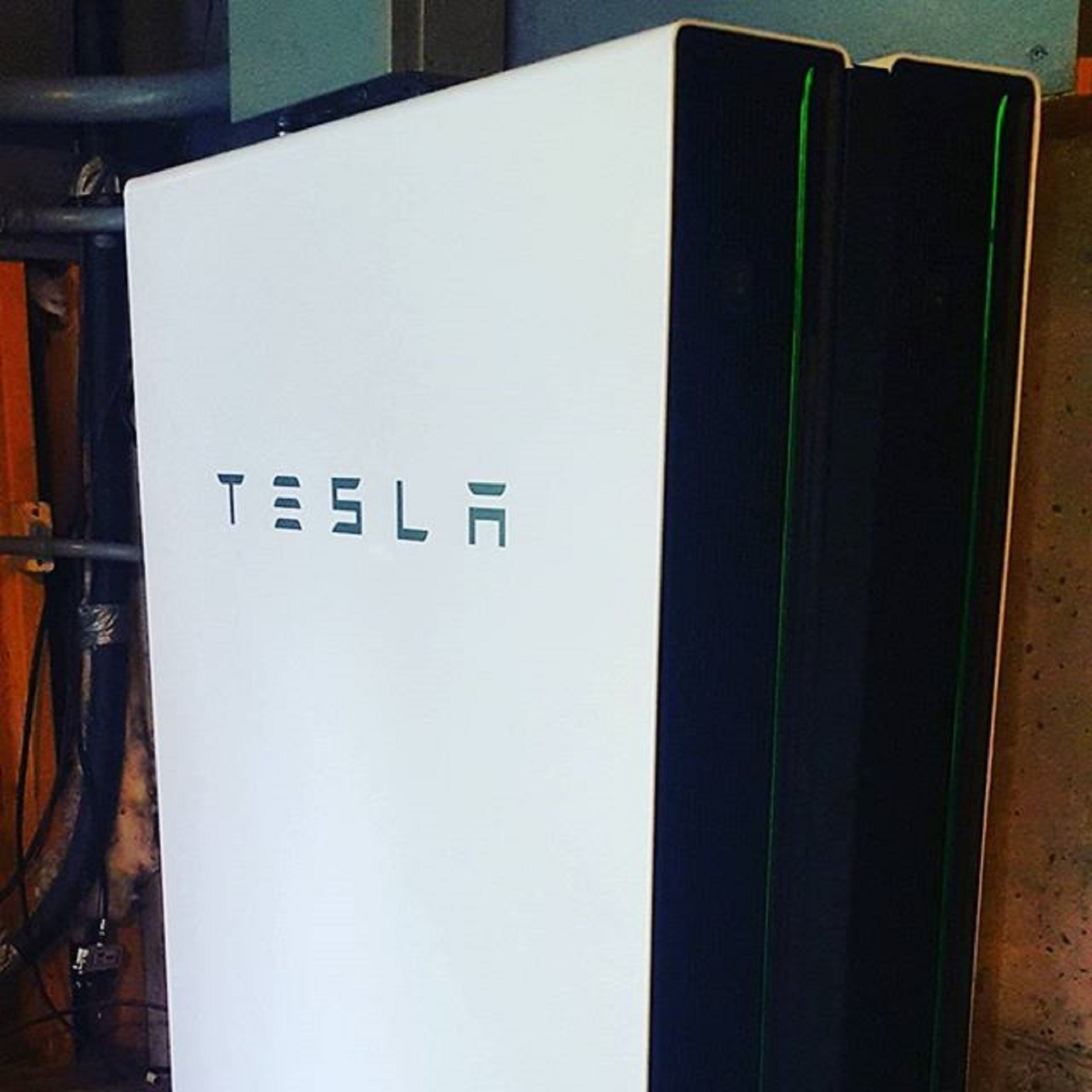
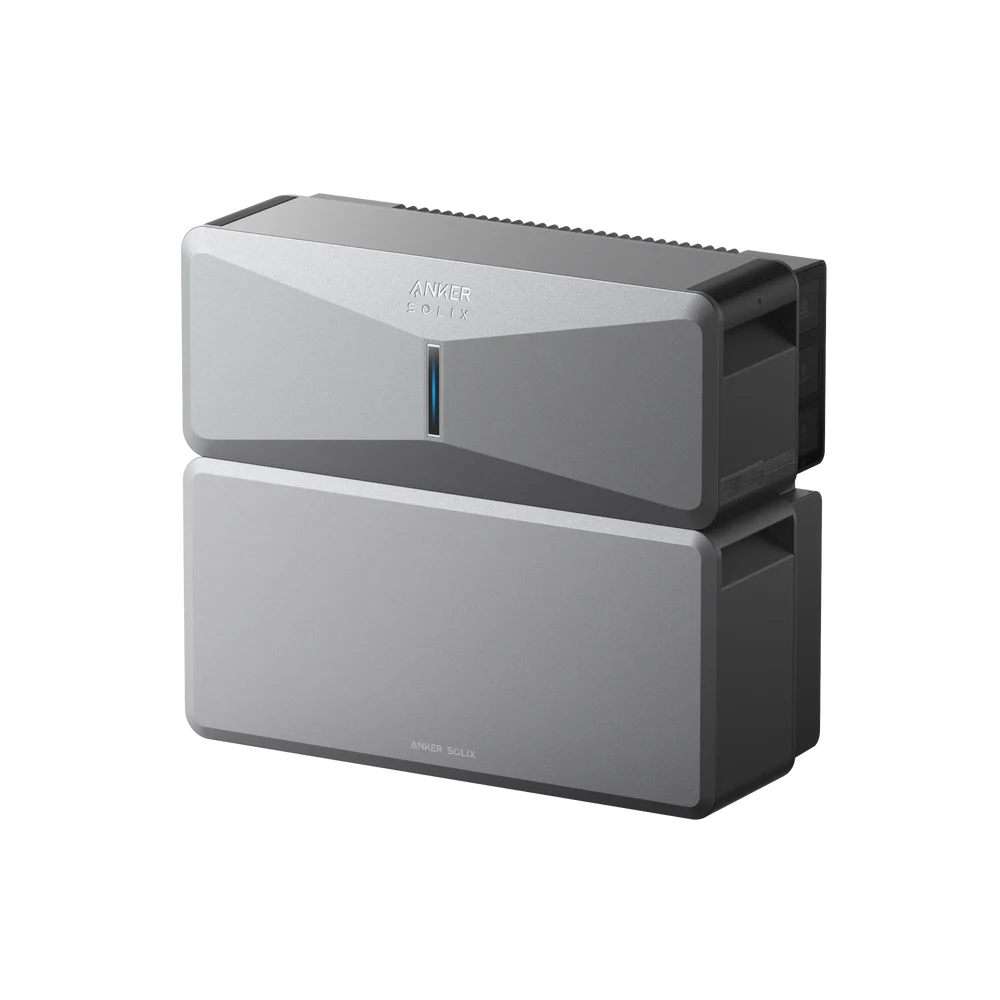
- Consider a battery on economics, not just backup. Where the retail-to-export spread is large, storing your surplus for evening use can pay back on its own.
- Be sceptical of oversizing. With no federal credit and poor exports, extra panels are the least efficient dollar in the system.
Check yours before anything else
Call your utility or read the interconnection tariff on their website, and get three specifics: the current export rate in cents per kWh, whether it is locked and for how long, and whether existing customers are grandfathered when the tariff changes. Those three answers determine your payback more than panel brand, installer choice or system size.
Then run the numbers: how long until solar breaks even uses exactly these inputs, and state solar incentives that still exist in 2026 covers what else may be available alongside.