

Flexible panels look like the obvious modern choice: lighter, thinner, no bulky frame, and they curve. For a house roof that impression is wrong, and the reason is heat. Mounted flat against a surface with no air behind them, flexible panels run far hotter than framed panels on standoffs, and heat is what kills both output and lifespan.
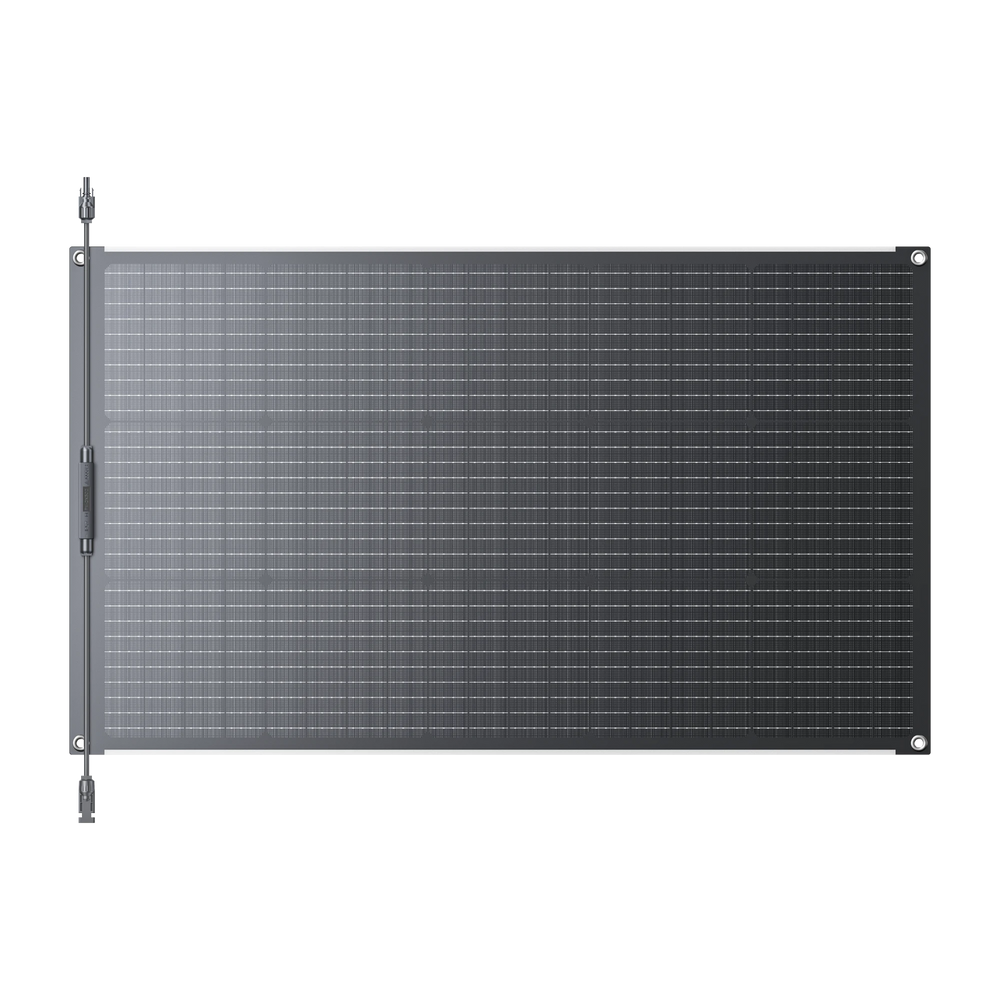
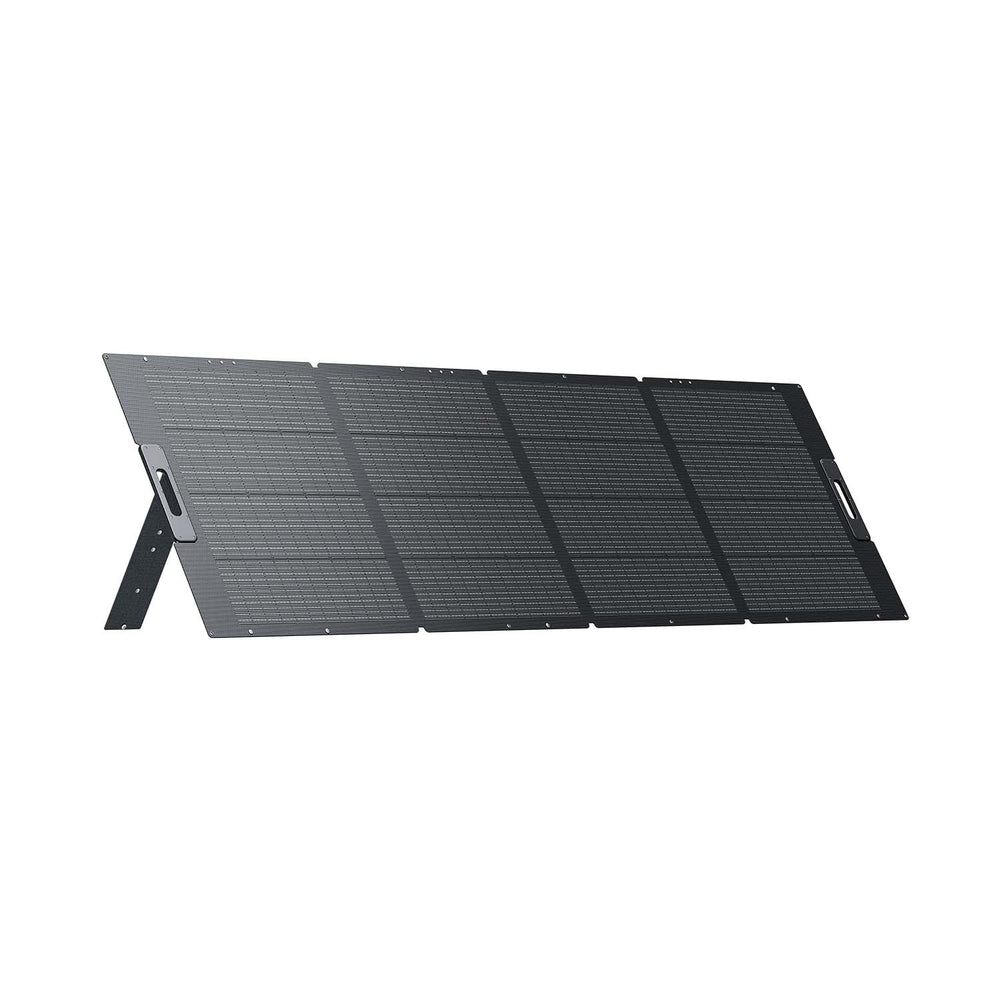
The comparison
| Rigid | Flexible | |
|---|---|---|
| Typical lifespan | 25-30 years | 5-10 years |
| Efficiency | 19-23% | 15-19% |
| Operating temperature | Lower — airflow underneath | Higher — bonded to the surface |
| Weight | ~40 lb per 400W | ~5 lb per 100W |
| Mounting | Racking, penetrations or clamps | Adhesive or grommets |
| Curved surfaces | No | Yes |
| Cost per watt | Lower | Higher |
| Replaceable individually | Yes | Often not, if bonded |
Why heat decides it
Every panel loses output as it warms — typically 0.3-0.5% per degree above 25°C. A framed panel sits a few inches off the roof on racking, and air moving through that gap carries heat away. A flexible panel adhered directly to a surface has nowhere to dump that heat, so it runs materially hotter and produces measurably less, in exactly the sunny conditions where you wanted the most.
Heat also drives ageing. The shortened lifespan of flexible panels is largely a consequence of sustained high temperature plus thermal cycling on the encapsulant, which yellows and delaminates far sooner than the glass-and-frame construction of a rigid module.
When flexible is genuinely the right answer
- Curved surfaces — a van, an Airstream, a boat deck or cabin top, where rigid simply cannot be mounted
- Weight-critical installations, such as an older RV roof that cannot carry framed panels and racking
- Where you cannot drill — a leased vehicle, or a roof where penetrations are unacceptable
- Low profile matters — height clearance on a van, or windage on a boat
- Occasional or seasonal use, where the shorter lifespan costs you little
Note that all of those are vehicles and boats. On a fixed building roof, essentially none of them apply.
Getting more life out of flexible panels
If flexible is the right call for your application, the single most effective thing you can do is create an air gap. Mounting on thin standoffs, a lightweight frame or even a corrugated spacer instead of bonding directly to the surface recovers a meaningful share of the lost output and substantially extends life. It costs a little height and a little weight, and it is worth both.
Avoid permanent adhesive if you can. A panel bonded directly to a roof is a panel you cannot replace without damaging the roof, and these are the panels most likely to need replacing.
For a house roof, buy rigid
Rigid framed panels cost less per watt, produce more per watt installed, last three to five times longer and can be individually replaced. There is no residential roof scenario where flexible is the better engineering answer — the weight saving is not needed and the lifespan penalty is severe.
The mounting decision that actually matters on a house is roof versus ground versus pole, which we compare in mounting options compared. For vans and boats, the camper van solar guide covers the vehicle case.