

This comparison dominated solar buying advice for a decade, and it is now largely settled: monocrystalline has won. Polycrystalline panels have all but disappeared from the residential market, not because they were bad but because mono got cheap enough that the reason to buy poly evaporated.
The actual difference
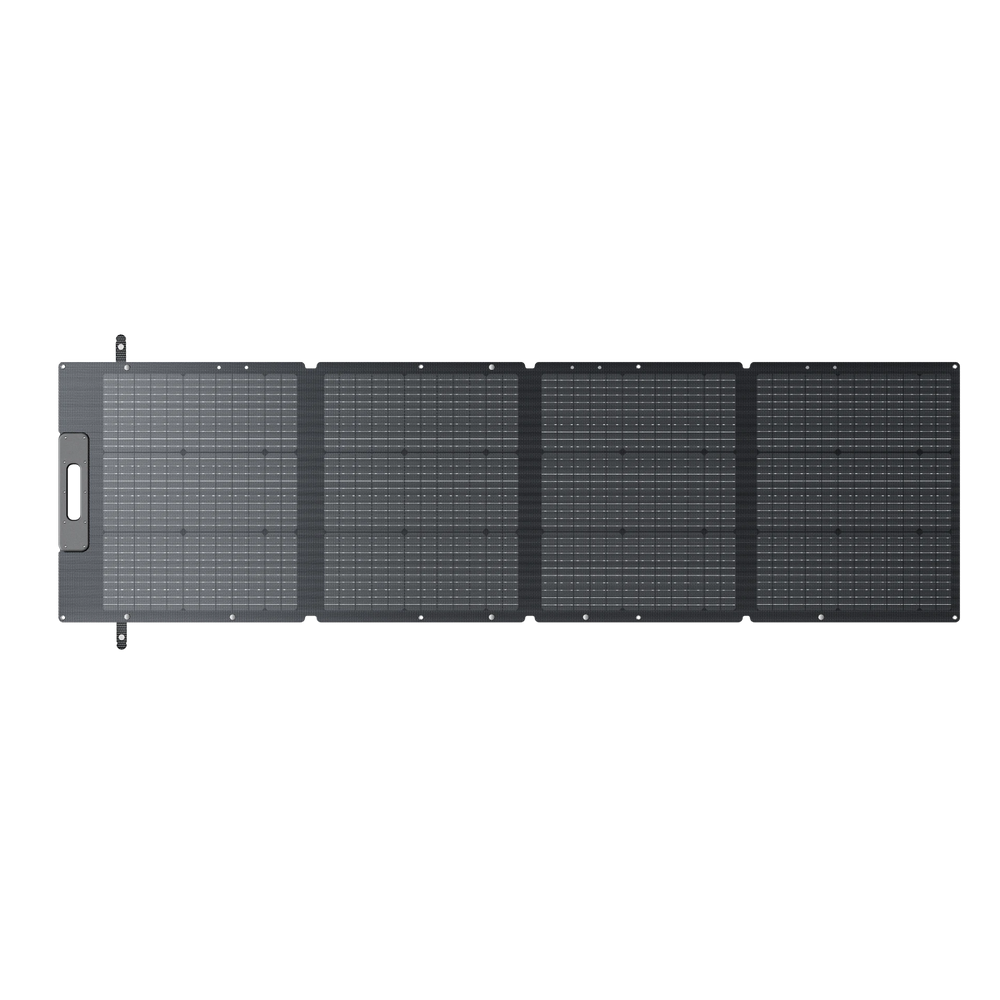
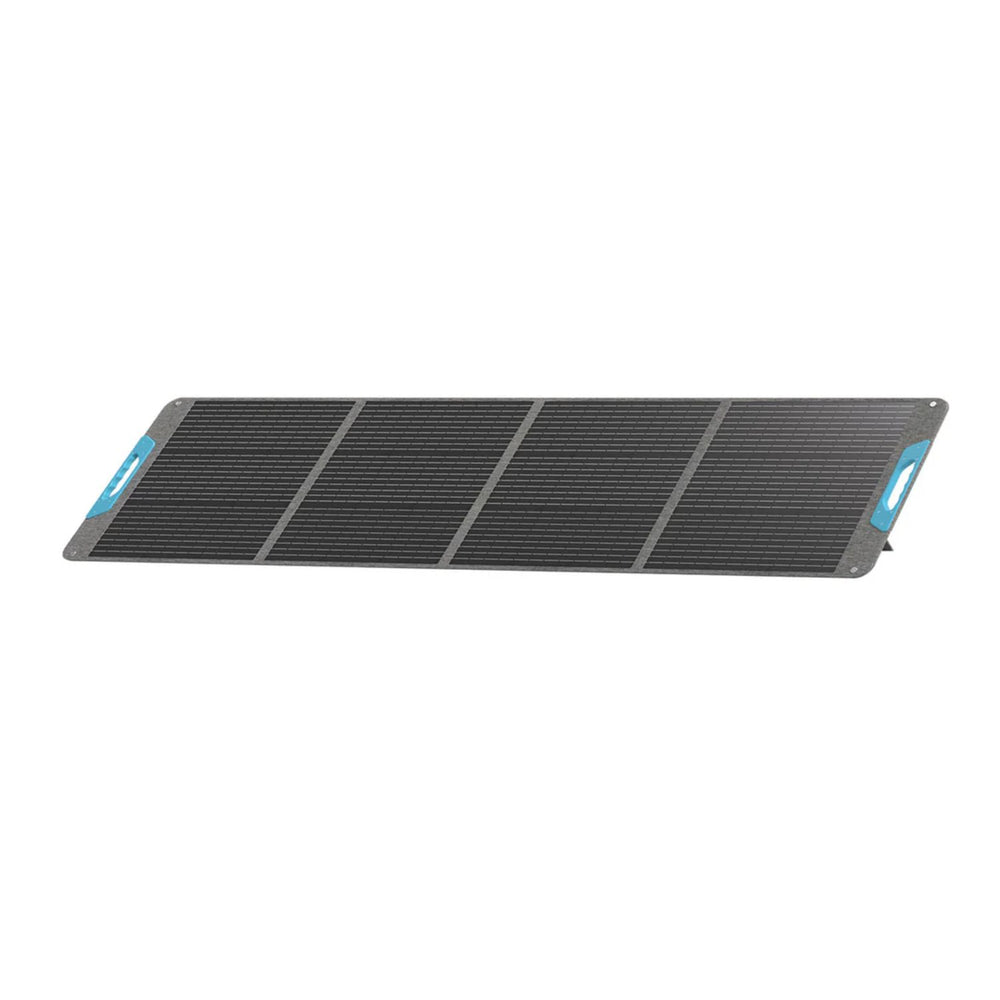
Both are silicon. The difference is how the silicon was grown. Monocrystalline cells are cut from a single continuous crystal, so electrons move through them with less resistance. Polycrystalline cells are cast from melted fragments of silicon that solidify into many small crystals, and every boundary between those crystals is a small obstacle to current.
| Monocrystalline | Polycrystalline | |
|---|---|---|
| Efficiency | 19-23% | 15-17% |
| Appearance | Uniform black, rounded cell corners | Blue, speckled, square cells |
| Space needed per watt | Less | More |
| Heat tolerance | Slightly better | Slightly worse |
| Low-light performance | Better | Worse |
| Historic price per watt | Higher | Lower |
| Current availability | Everywhere | Increasingly rare |
Why the debate ended
Poly existed because it was cheaper to manufacture. As silicon production scaled through the 2010s, the cost gap narrowed to almost nothing while the efficiency gap stayed. Once mono cost roughly the same per watt and delivered 20-30% more watts per square foot, there was no argument left — and manufacturers stopped making poly for residential.
If you are shopping today, this is largely a non-decision: nearly everything you can buy is monocrystalline. The one place you will still meet poly is the second-hand market and clearance stock, where it can be genuinely cheap.
When cheap poly still makes sense
Used or clearance poly panels can be a bargain for a ground-mounted off-grid system where space is not a constraint. If you have a field and a shed to power, buying more square feet of cheaper panel is a perfectly rational trade — the electrons do not know which crystal structure they came from.
It stops making sense the moment mounting area is limited. On a van roof, a tiny house or a constrained residential roof plane, the extra 20-30% of watts per square foot is the whole point, and you cannot buy your way around it with cheaper panels.
What to compare instead
Now that cell type is effectively decided, the specs that actually separate a good panel from a poor one are:
- Dollars per watt, not dollars per panel — the only price metric that compares fairly
- Temperature coefficient — how much output it loses per degree above 25°C, typically -0.3% to -0.5%/°C. Lower is better and matters most on a hot roof
- Degradation rate — typically 0.4-0.5% a year, which determines year-25 output
- Warranty terms, and whether the company behind them is likely to still exist in twenty years
There is also a newer distinction worth knowing: PERC, TOPCon and heterojunction are cell architectures within monocrystalline, and they now separate panels more meaningfully than mono-versus-poly ever did. They mostly affect efficiency and temperature behaviour at the margins.
For turning any of this into an actual panel count, see how many solar panels do I need, and the panel role page for what to shop against.