

An off-grid cabin or an RV parked off-grid for extended stretches has different needs than emergency home backup: the system has to sustain daily use indefinitely from solar alone, not just bridge a temporary outage.
Why sustained daily solar changes the math
For emergency backup, you're sizing against total stored energy. For off-grid living, you're sizing against your daily energy budget matched to daily solar input — a bigger battery buys you cushion through a cloudy stretch, but the real constraint is whether your panels can replace what you use on an average day. Our off-grid sizing guide covers that calculation in full.
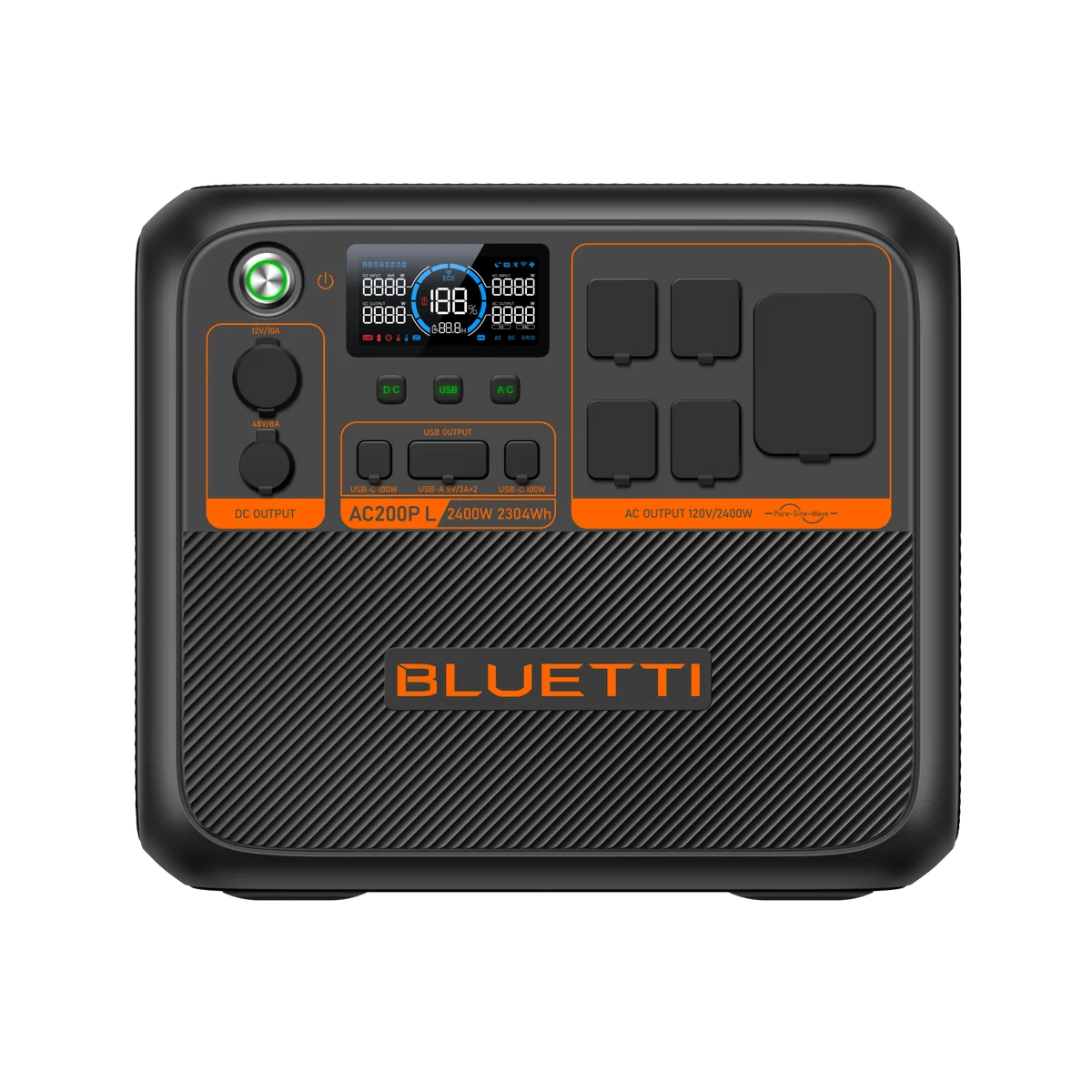
BLUETTI AC200PL: a solid off-grid anchor
2,304Wh of capacity with 2,400W continuous output gives real headroom for a cabin's fridge, lights, water pump and electronics — pair it with two or three 200W+ panels rather than just one for meaningful daily recharge, especially in winter when daylight hours are shorter.
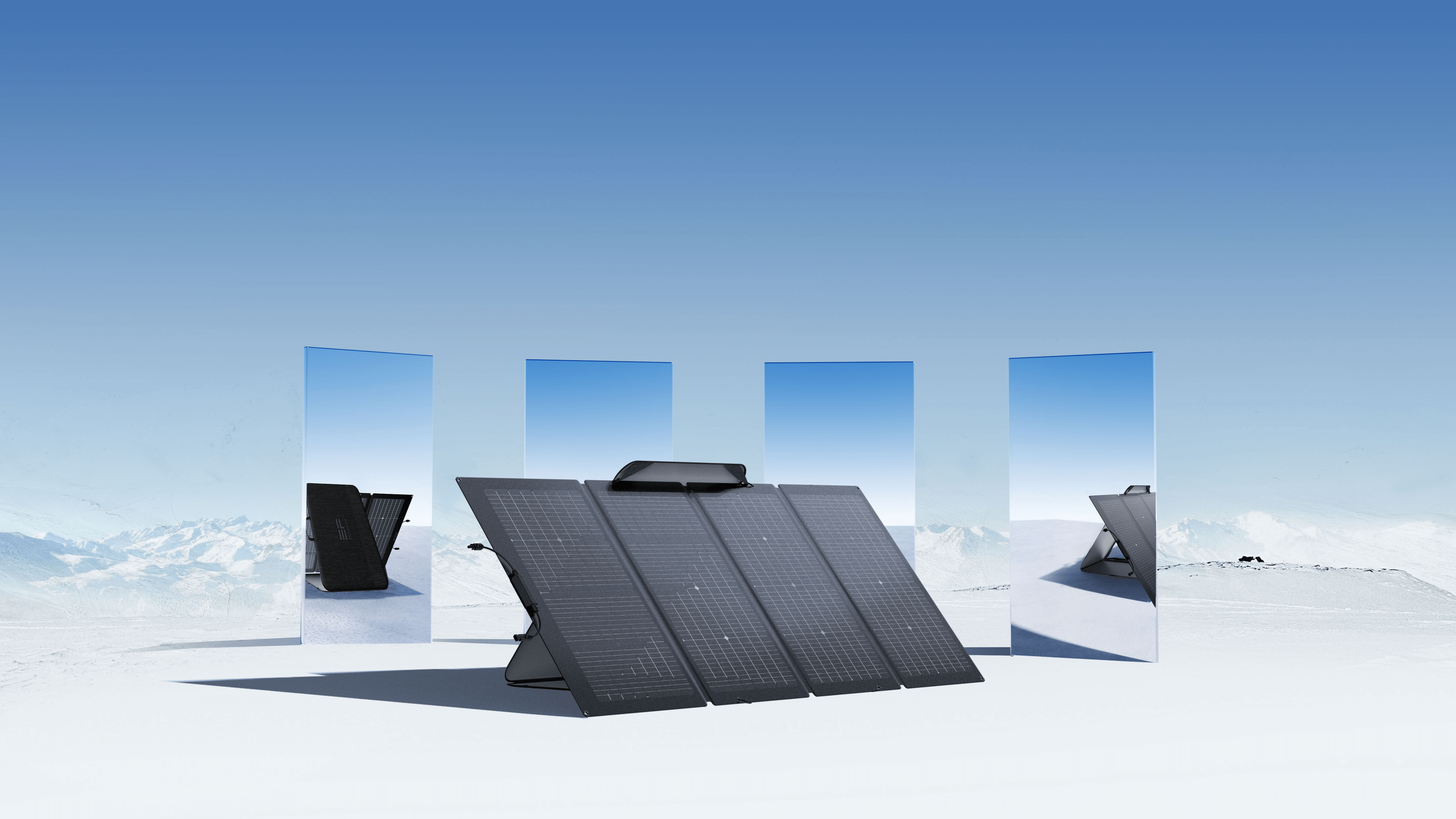
Bifacial panels for reflective off-grid settings
Snow-covered ground in a winter cabin, or light gravel/sand near an RV site, reflects extra light into a bifacial panel's rear cells — a real, if modest, output boost that's easy to get essentially for free by choosing bifacial over standard panels at a similar price.
Budget for more panels than you think
Sustained off-grid use typically needs more solar wattage than emergency-only backup — where one panel might be enough to slowly top up a battery you're barely touching, daily cabin or RV use draws it down every day and needs enough panel wattage to fully replace that by evening, accounting for cloudy days and shorter winter sun hours.