

The most common off-grid disappointment is a system that performs exactly as promised for eight months and then runs short every winter. It is almost never a fault. It is four separate effects landing at the same time, and because they multiply rather than add, the combined shortfall is far worse than any single one suggests.
The four effects
| Effect | Typical winter impact | Why |
|---|---|---|
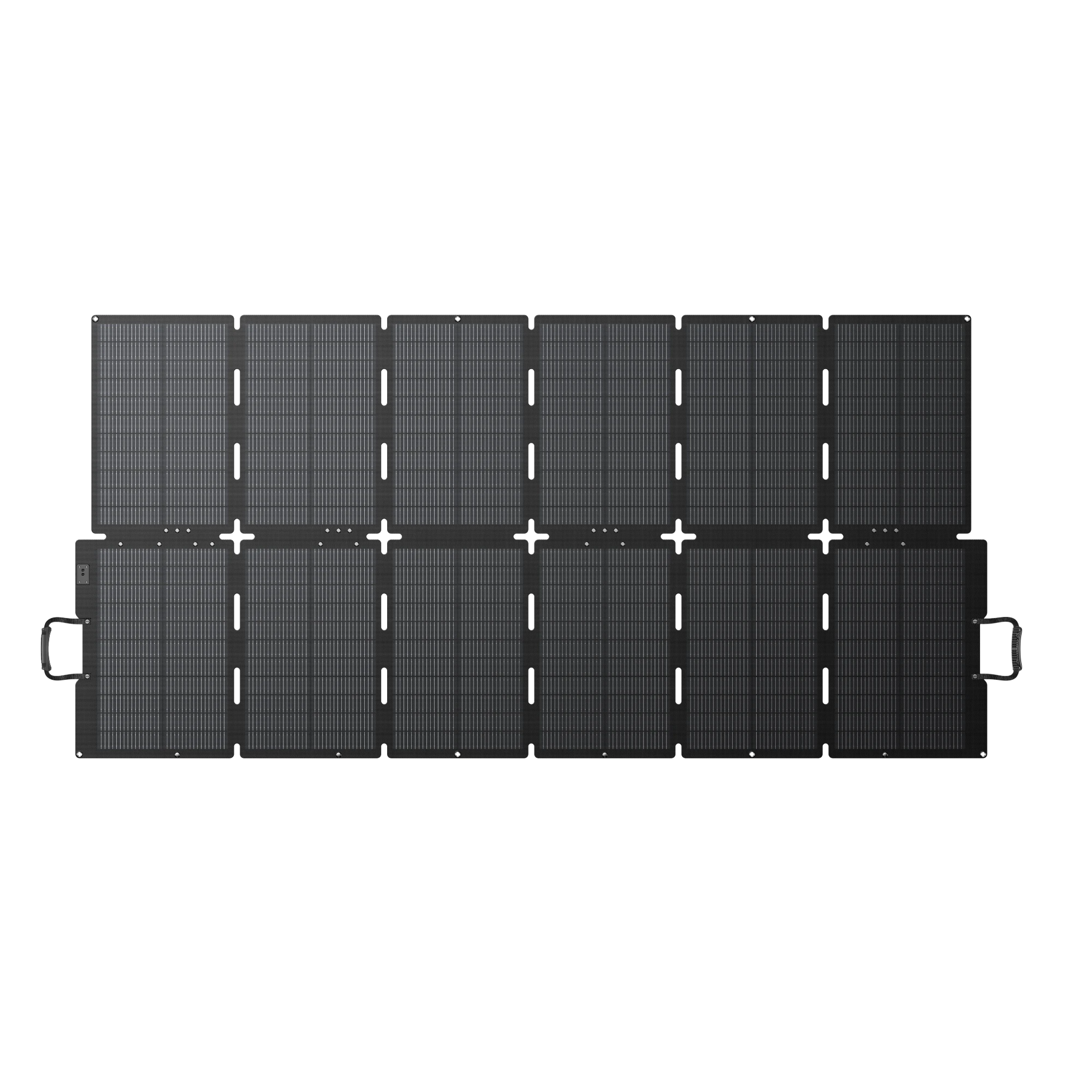
| Fewer peak sun hours | 40 – 55% less | Shorter days and a lower sun angle |
| Snow and ice cover | Up to 100% while covered | A dusting is enough to stop production |
| Panel angle mismatch | 10 – 25% less | Summer-optimised tilt is wrong for a low winter sun |
| Higher consumption | 30 – 100% more | Heating, lighting, heat tape, water heaters |
Run those together. Half the sun hours against roughly 1.5x the load is a system delivering about a third of the margin it had in July — before any snow. That is the whole phenomenon, and it is entirely predictable at design time.
Sizing against December, not the average
For a grid-tied system, annual-average sizing is correct: summer surplus offsets winter deficit through net metering. Off-grid has no such mechanism, so the worst month is the design month.
| Region | June sun hours | December sun hours | Array multiplier |
|---|---|---|---|
| Southwest | 7.0 | 4.5 | 1.6x |
| South / Southeast | 6.0 | 3.5 | 1.7x |
| Midwest | 5.8 | 2.5 | 2.3x |
| Northeast | 5.5 | 2.2 | 2.5x |
| Pacific Northwest | 5.5 | 1.5 | 3.7x |
The multiplier is how much larger the array must be to deliver in December what it delivers in June. In the Pacific Northwest that is nearly four times, which is why genuinely year-round off-grid living there is expensive and why almost everyone in that position runs a generator through winter instead of buying their way out with panels.
Panel angle: the cheapest fix available
The rule of thumb is that optimal winter tilt is roughly your latitude plus 15 degrees — a steeper angle that faces the low winter sun more directly. At 40° latitude that is about 55°, against roughly 25° for summer.
Two benefits for one adjustment. The steeper angle recovers 10-25% of winter production, and it also sheds snow far better, which frequently matters more than the angle itself. If your mounts are adjustable, changing tilt twice a year is the highest-return maintenance task in off-grid solar. If you can only pick one fixed angle and winter is your constraint, optimise for winter and accept slightly less summer production you did not need anyway.
The cold-charging problem
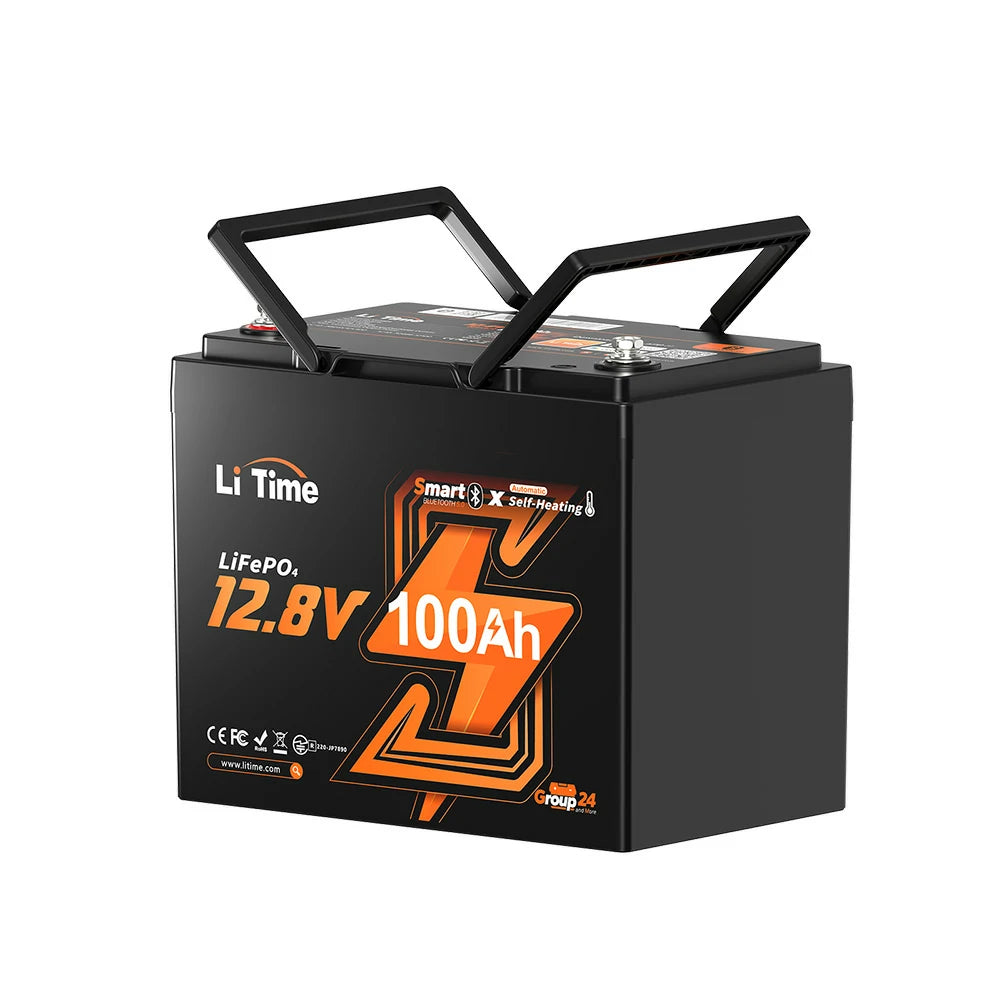
This one damages hardware rather than just reducing output. LiFePO4 batteries must not be charged below freezing without protection. Discharging in the cold is fine; charging is not, and doing it causes permanent capacity loss through lithium plating.
A battery in an unheated shed or garage on a sunny January morning is exactly the scenario — cold cells, and an array producing charge current. Three solutions, in order of preference: buy batteries with built-in low-temperature charge cutoff (most quality units have this), buy self-heating models that warm themselves before accepting charge, or keep the bank in conditioned space. Do not rely on remembering.
One consolation: panels themselves are more efficient in the cold. A clear, cold, sunny winter day can produce excellent output — the losses come from sun hours, angle and snow, not from the panels disliking the temperature.
What to actually do
- Size the array on your December sun hours, using the multiplier above against your summer figure.
- Set panel tilt to latitude plus 15°, or make the mounts adjustable if you can.
- Plan physical snow clearing. A soft snow rake from the ground — never climb onto a snow-covered roof. Ground mounts are far easier here.
- Protect the batteries from cold charging with cutoff, self-heating or a conditioned enclosure.
- Budget a generator rather than trying to buy your way out with panels, especially north of about 40° latitude. It is cheaper for the same reliability — see solar and generator hybrid systems.
If you are sizing a system from scratch, work through the full sizing sequence using December figures rather than annual averages, and see the homestead sizing mistakes for the other errors that compound with this one.