

A foldable solar panel is what turns a power station from a one-charge backup into something that can keep running indefinitely — as long as the panel is actually sized and specced to match your unit.
What to check before buying
- Wattage vs. your station's solar input limit — pairing panels that exceed your power station's max solar input wastes the extra capacity; see our solar charging math guide
- Cell type and efficiency — monocrystalline cells rated 22%+ efficient perform meaningfully better in real, non-ideal light than cheaper polycrystalline panels
- IP rating — IP65 or higher for reliable use in unpredictable outdoor weather
- Connector compatibility — most panels use MC4 or a brand-proprietary connector; confirm it matches your station or comes with the right adapter
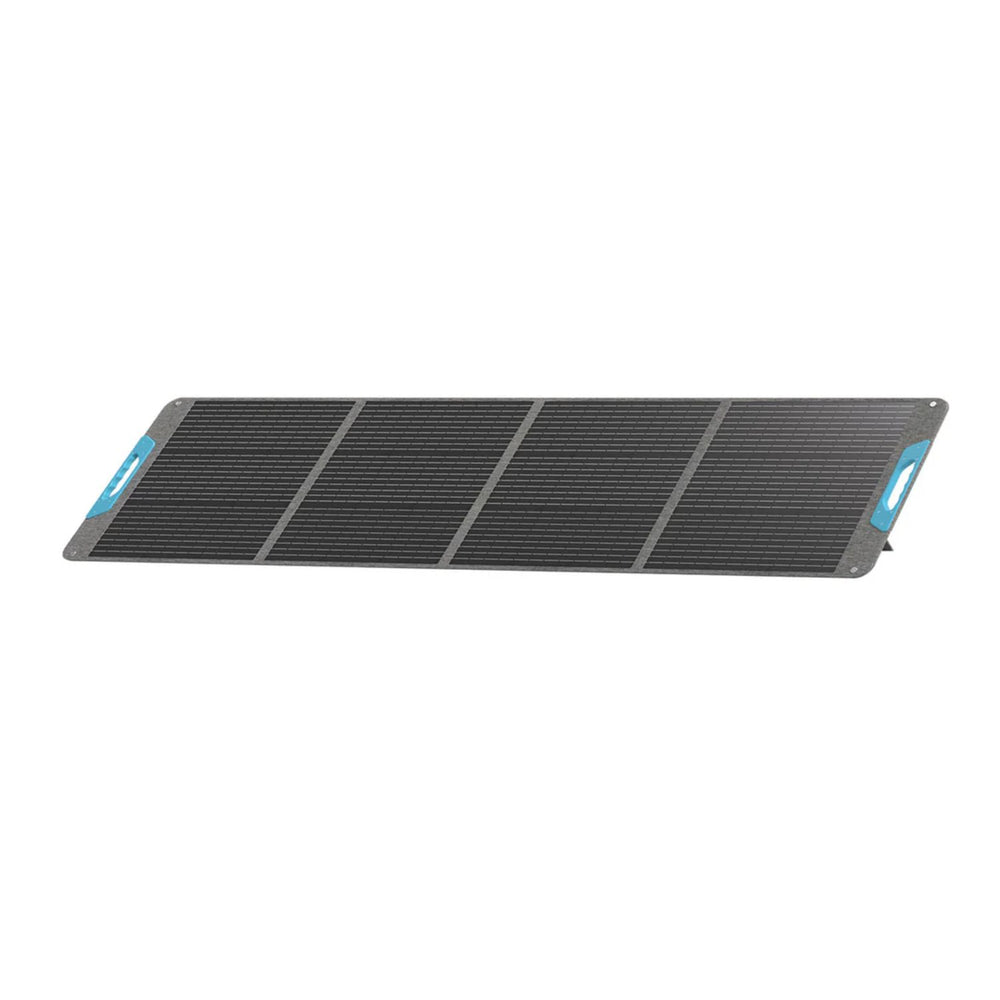
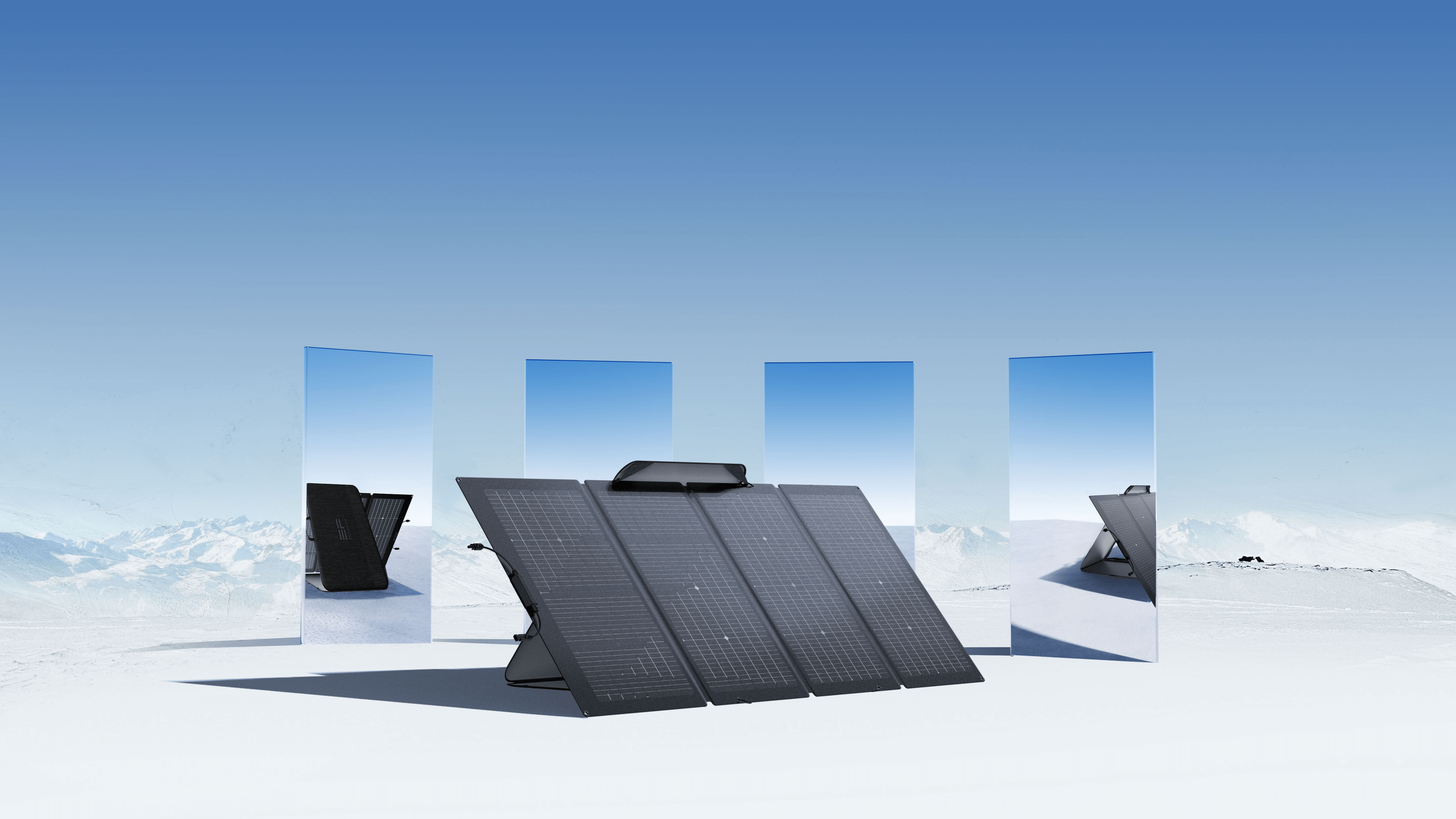
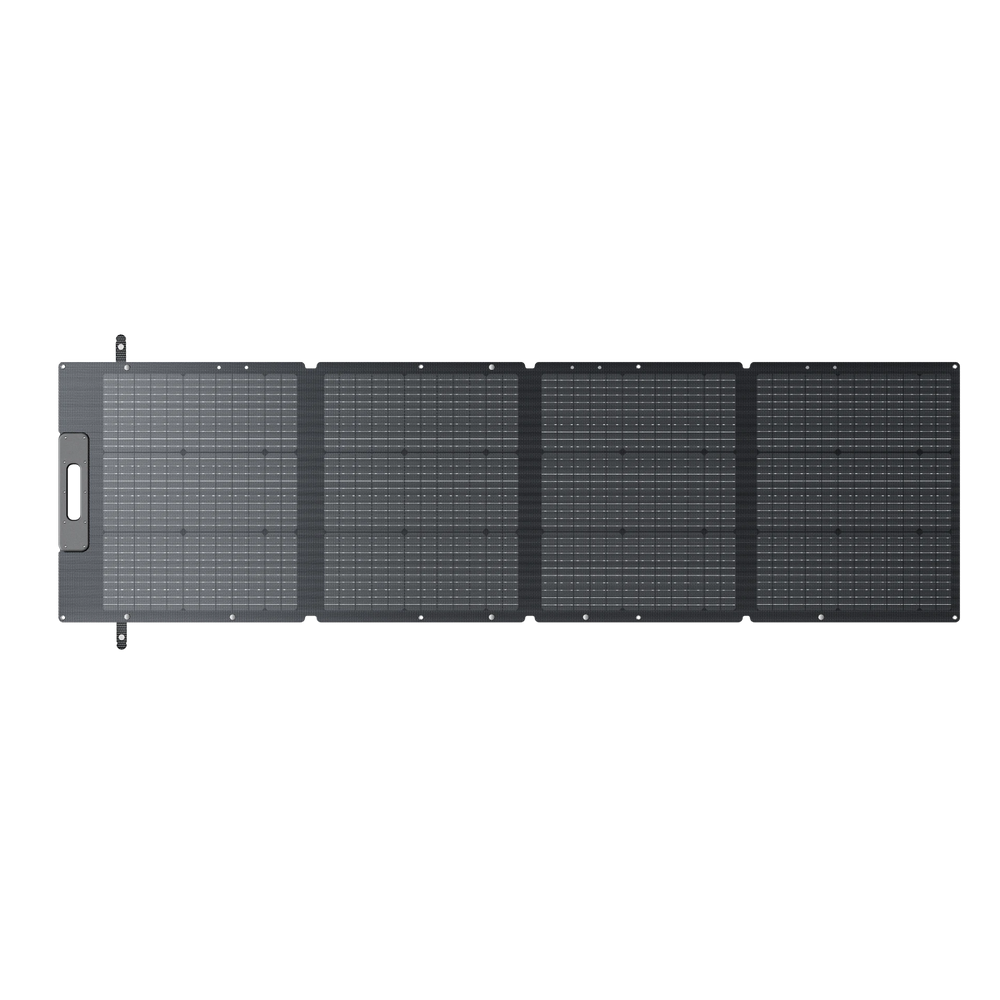
Renogy 200W E.Flex: best value
At $223.69, this is the least expensive of the three for the same 200W rating — a solid pick if you're pairing it with a mid-size station and don't need brand-matched accessories.
EcoFlow 220W Bifacial: extra output from reflected light
The bifacial design captures light on both sides of the panel, adding a meaningful output boost when set up over light-colored ground (sand, snow, light gravel) that reflects sunlight back up into the rear cells — a real advantage in the right camping or emergency setup.
BLUETTI 200W: the ecosystem match
If you already run a BLUETTI power station, the matched connector and companion app integration make this the simplest plug-and-play option, at a modest premium over the Renogy.
Foldable vs. rigid panels
Foldable panels trade a small amount of durability and lifespan for portability and setup speed — they fold flat, usually include a kickstand, and set up in under a minute, which matters far more for camping and grab-and-go emergency kits than for a fixed off-grid installation, where rigid panels are the better long-term choice.