

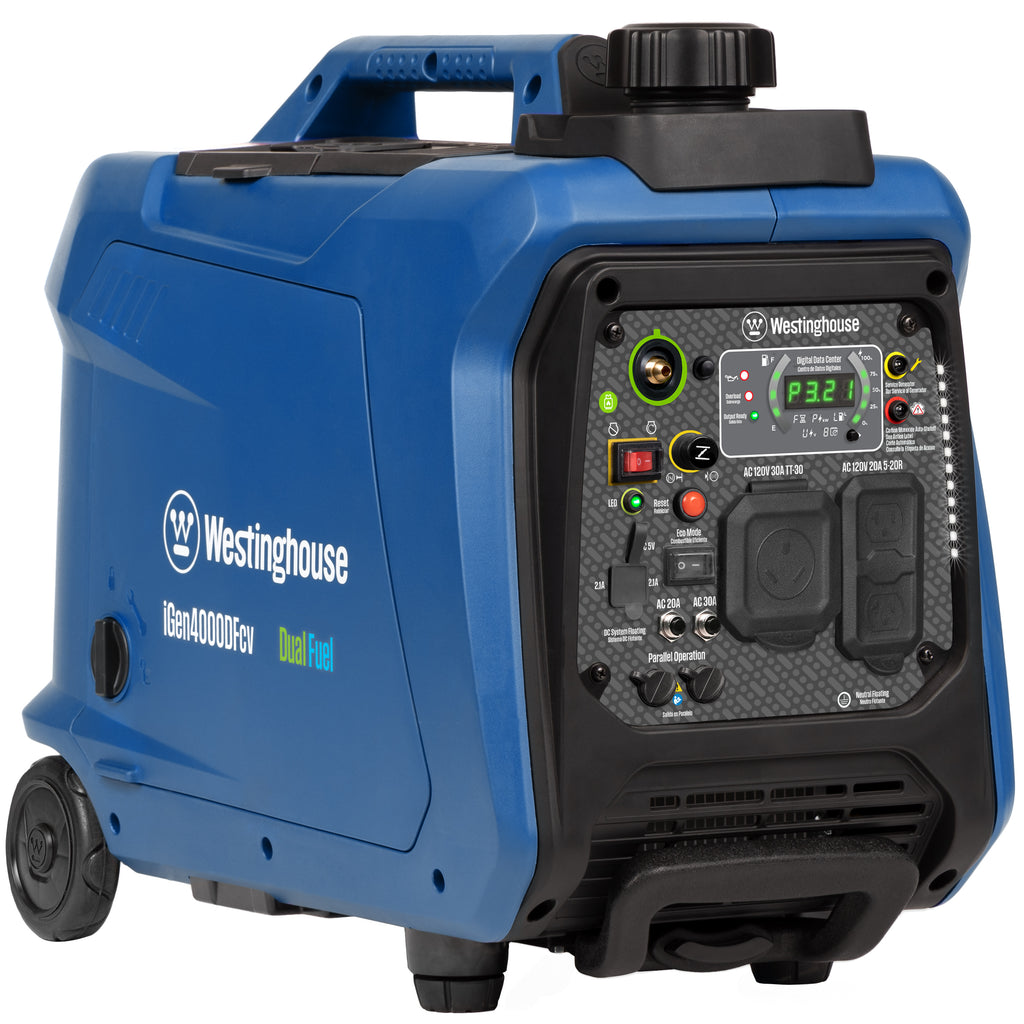
Dual-fuel generators — able to run on either gasoline or propane — have become the default choice for a lot of home-backup buyers, and for good reason: fuel flexibility is real insurance during exactly the kind of regional event that knocks out power in the first place.
Why dual-fuel matters more than it sounds
Gasoline is easy to store in small amounts but degrades within months without a stabilizer and can become scarce fast during a widespread outage (long lines, station outages). Propane stores indefinitely and is often easier to stockpile in advance, but running a generator on propane alone limits your options if you can't get propane refilled. Dual-fuel means you're not betting the whole outage on one fuel type being available.
What to check when comparing dual-fuel models
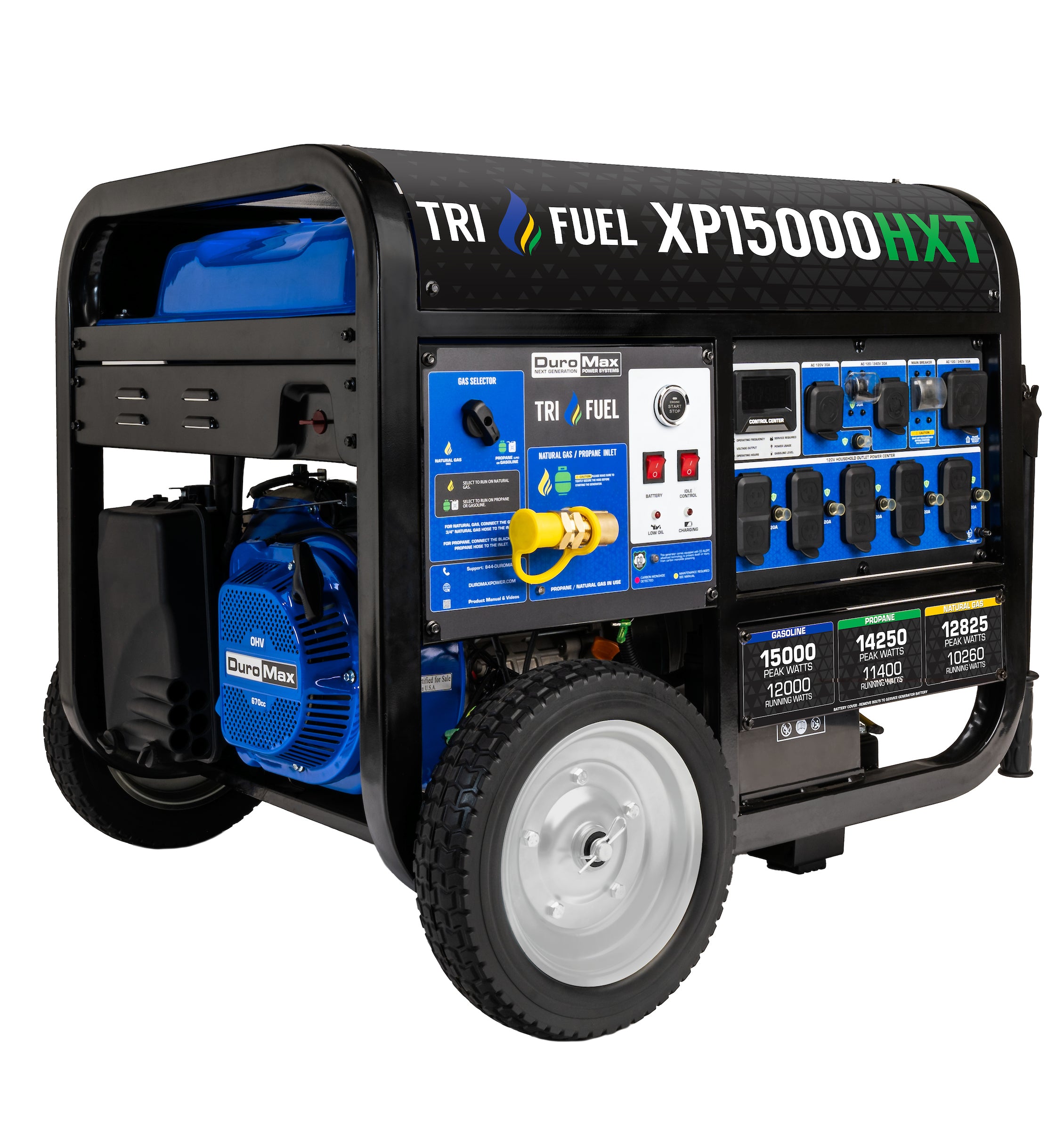
- Running watts on gasoline vs. propane — dual-fuel units typically output slightly less on propane; size against the lower number, not the gasoline spec
- Electric vs. remote start — for home backup specifically, remote or electric start matters more than for occasional camping use, since you may need to start it in bad weather
- Transfer-switch-ready outlets — a 30A or 50A locking outlet means the generator can connect to a transfer switch for whole-panel or essential-circuit backup, not just extension cords
- CO shutoff sensor — a real safety feature, not a nice-to-have; see our carbon monoxide safety guide
Sizing a dual-fuel generator for your home
The sizing math is the same as any generator — add up your essential circuits' running watts, check the single largest starting-watts spike, and size against the propane (lower) output figure for margin. Use our free wattage calculator to run your specific list, and see our generator sizing guide for the full walkthrough.
Browse current dual-fuel models — including several from Westinghouse, DuroMax and Champion — on our generator picks page, where you can filter and compare specs side by side.