

"Whole house" backup power at the lowest possible cost means being honest about what you're actually protecting — the cheapest real options cover essential circuits well, not literally every outlet.
The three cheapest realistic paths, ranked
| Option | Approx. cost | What it actually covers |
|---|---|---|
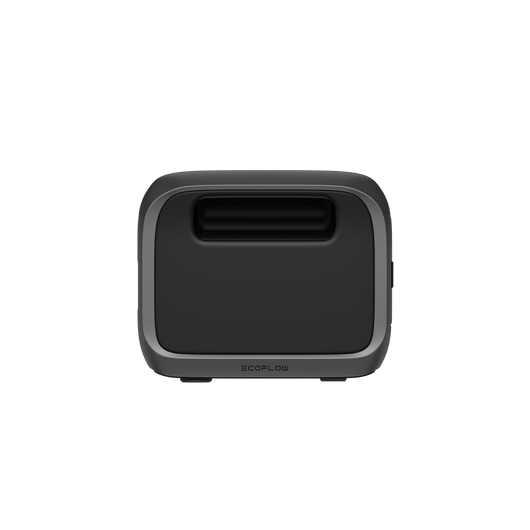
| Small power station | $120-$250 | Lights, phone/device charging, Wi-Fi router |
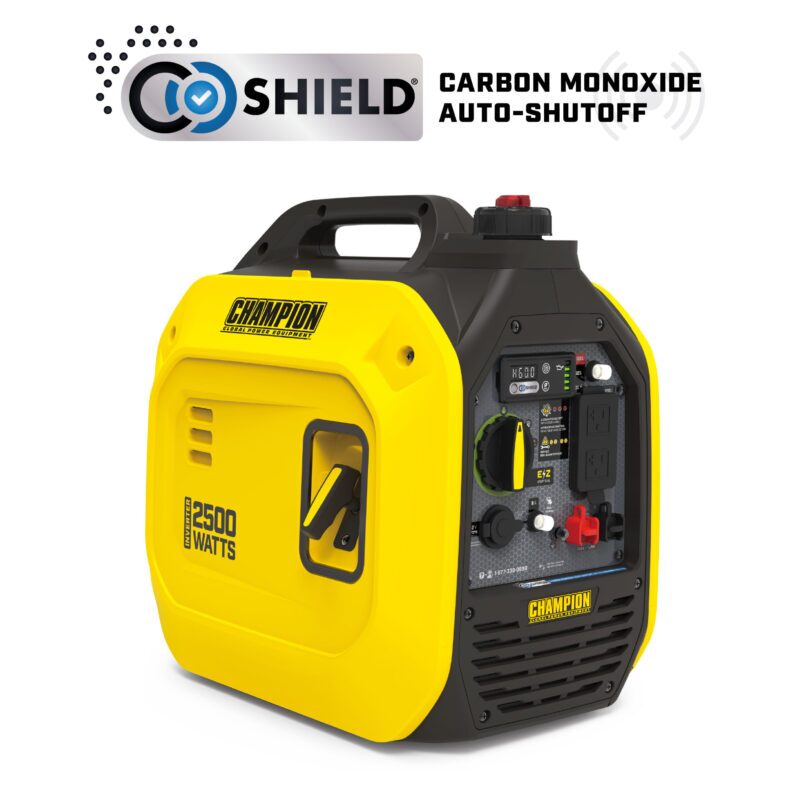
| Small inverter generator | $500-$800 | Fridge + lights + Wi-Fi, plugged directly into appliances |
| Large power station + solar panel | $900-$1,600 | Fridge + lights + Wi-Fi + devices, indefinitely with sun |
Why a transfer switch changes the math
Skipping a transfer switch keeps upfront cost lowest (running appliances on extension cords from a generator, or plugging devices directly into a power station) but limits what you can conveniently power. A basic transfer switch adds $200-500 installed but lets a generator power hardwired circuits (furnace blower, well pump) that extension cords can't reach.
The honest bottom line on "cheap"
For most households, a mid-size power station in the $600-900 range (see our cost guide) is the best balance of low cost and genuinely useful coverage — the absolute cheapest options above work, but with real limitations worth understanding before you buy.