

Power station prices range from under $250 to well over $2,000 for the same basic idea — a sealed battery with an inverter. The difference between tiers is real, but it's not random; three factors drive almost all of the price gap.
Three price tiers, with real current examples
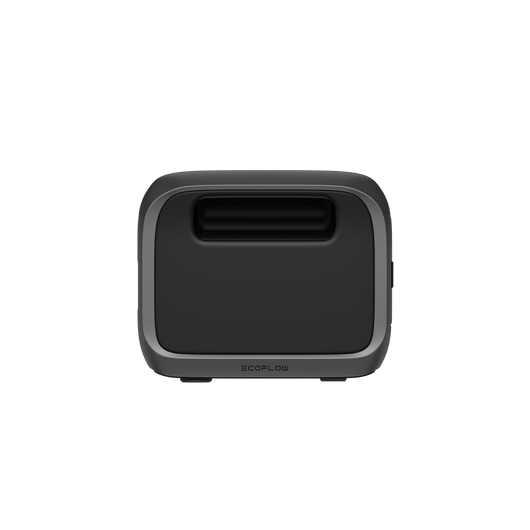
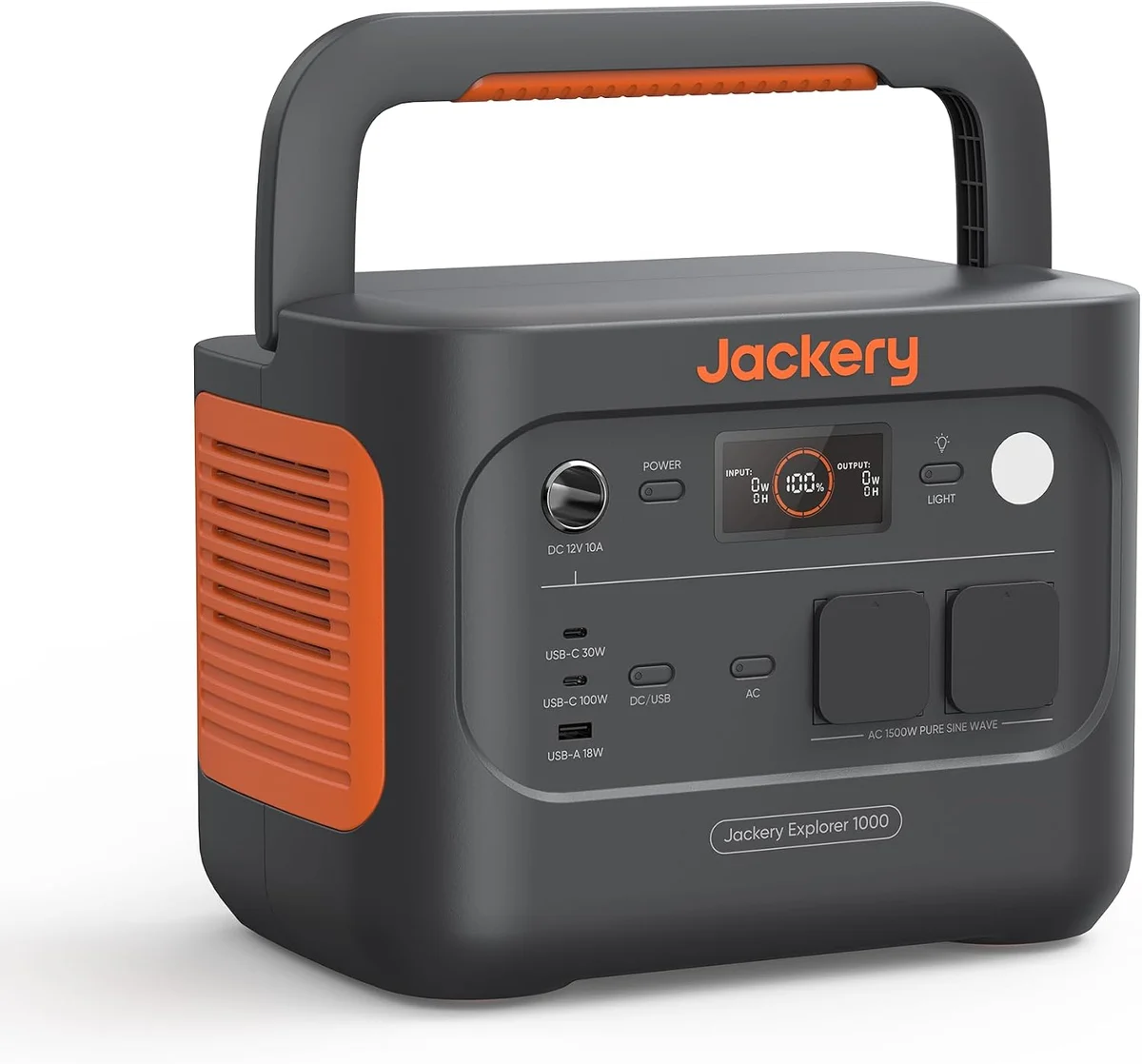
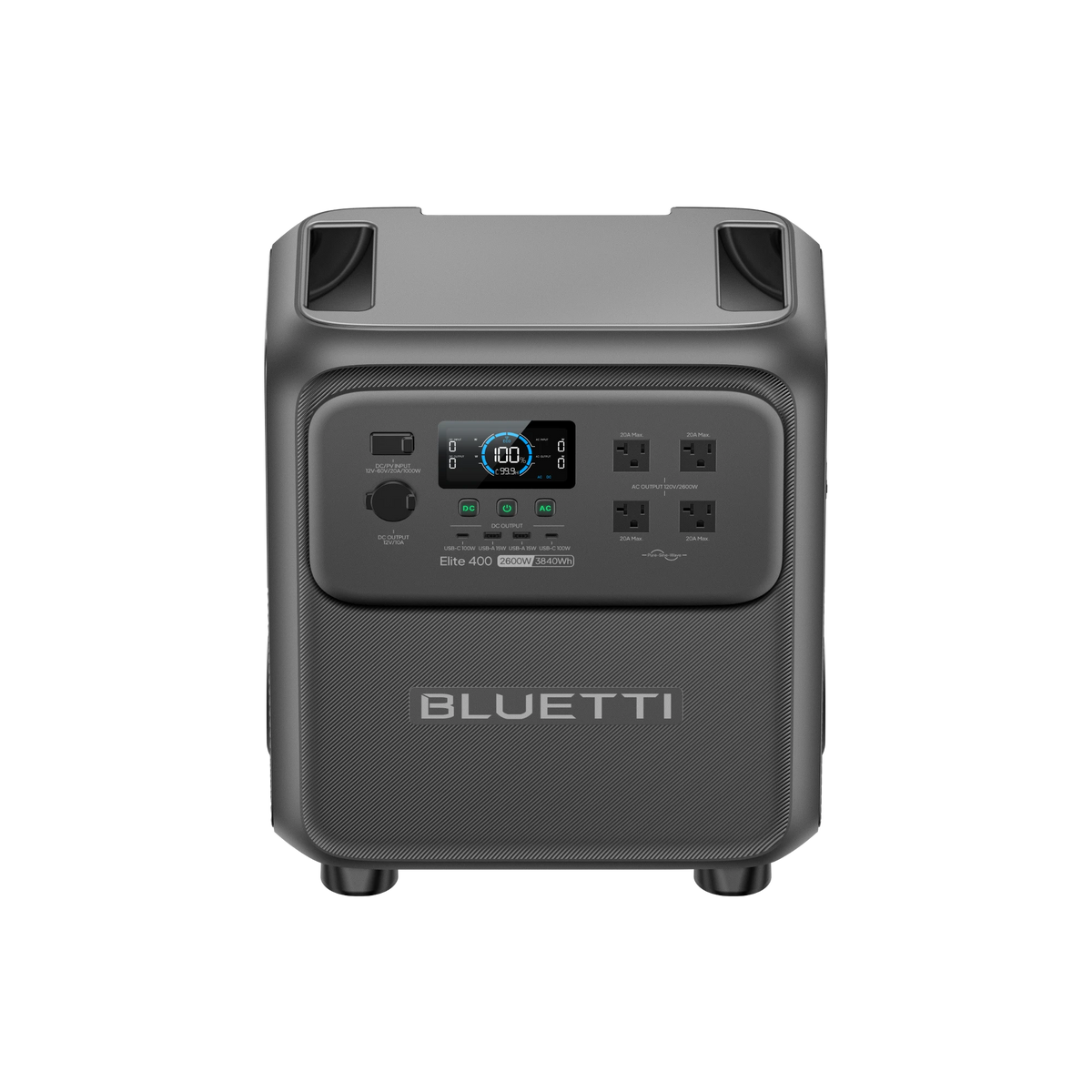
| Tier | Example | Price | Capacity | Continuous output |
|---|---|---|---|---|
| Budget | EcoFlow RIVER 3 | $239 | 230Wh | 300W |
| Mid-range | Jackery Explorer 1000 v2 | $549 | 1,070Wh | 1,000W+ |
| Premium | BLUETTI Elite 400 | $1,399 | 3,840Wh | 2,600W |
What actually drives the price
- Capacity (Wh) — the single biggest lever; roughly, price scales with how much battery is inside, since LiFePO4 cells are the most expensive single component
- Continuous and surge output (W) — a bigger inverter capable of running higher-draw appliances costs more independent of capacity
- Charging speed — units with fast AC charging (full charge in under an hour) command a premium over ones that take several hours
- Brand and warranty length — established brands with longer warranties (5+ years) typically price above newer or budget brands at the same specs
Budget for these extras too
A power station's sticker price usually doesn't include a solar panel — budget $150-350 more for a matched foldable panel if you want off-grid recharging. Unlike a generator, there's no ongoing fuel cost, which is a real long-term saving; see our 5-year cost comparison for the full math.
Whatever tier you're shopping, size against your actual appliance list first with our free wattage calculator — the most expensive mistake in this category is buying the wrong capacity, not the wrong price tier.