

A "solar generator" is really just three components working together: solar panels, a battery, and an inverter to convert stored DC power to usable AC power. Understanding those parts helps explain why pre-built units dominate the market.
The three core components
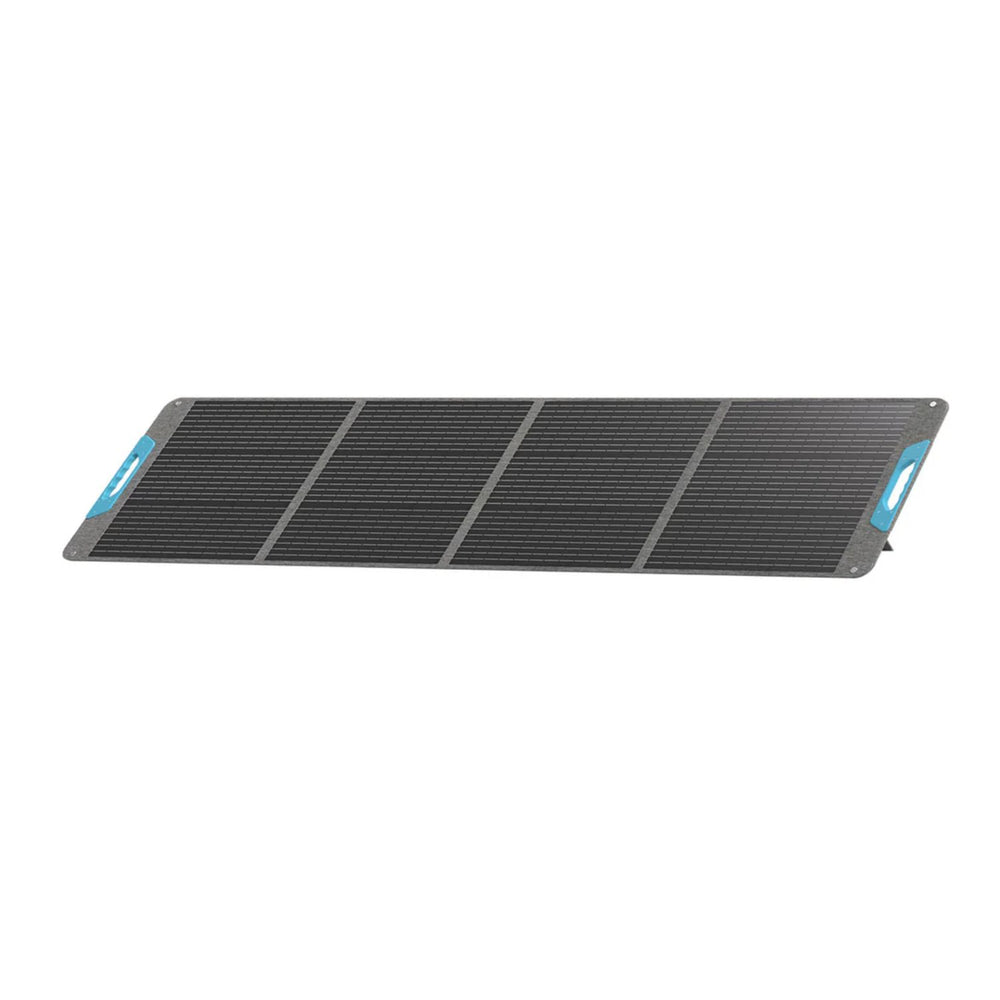
- Solar panel(s) — convert sunlight to DC electricity; wattage determines charging speed
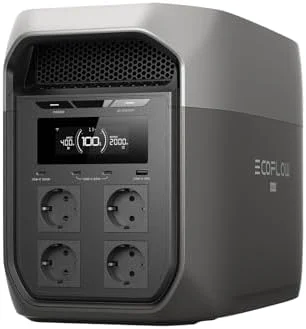
- Battery — stores the DC electricity for later use; LiFePO4 is the modern standard for safety and cycle life
- Inverter — converts stored DC power to the AC power household appliances actually need
Why building from scratch rarely saves money
Sourcing a battery management system, a compatible inverter, wiring, fusing and an enclosure separately — and getting all of it to work safely together — typically costs more in parts and time than buying a complete power station, which bundles all of this into a tested, warrantied, UL-certified package. DIY makes more sense for a fixed off-grid installation (a cabin, a shed) than for a portable unit.
The practical DIY path most people actually want
For most households, "DIY" really means pairing a complete power station with your own choice of solar panels — which is both simpler and safer than building the battery and inverter system from scratch. See our portable solar panel guide for matching panels to a power station you already own or plan to buy.