

Jackery and EcoFlow are two of the most recognized names in portable power, and their mid-size lineups are the ones most people cross-shop directly. Here's how the Jackery Explorer 1000 v2 and the EcoFlow RIVER 3 actually compare on the numbers that matter.
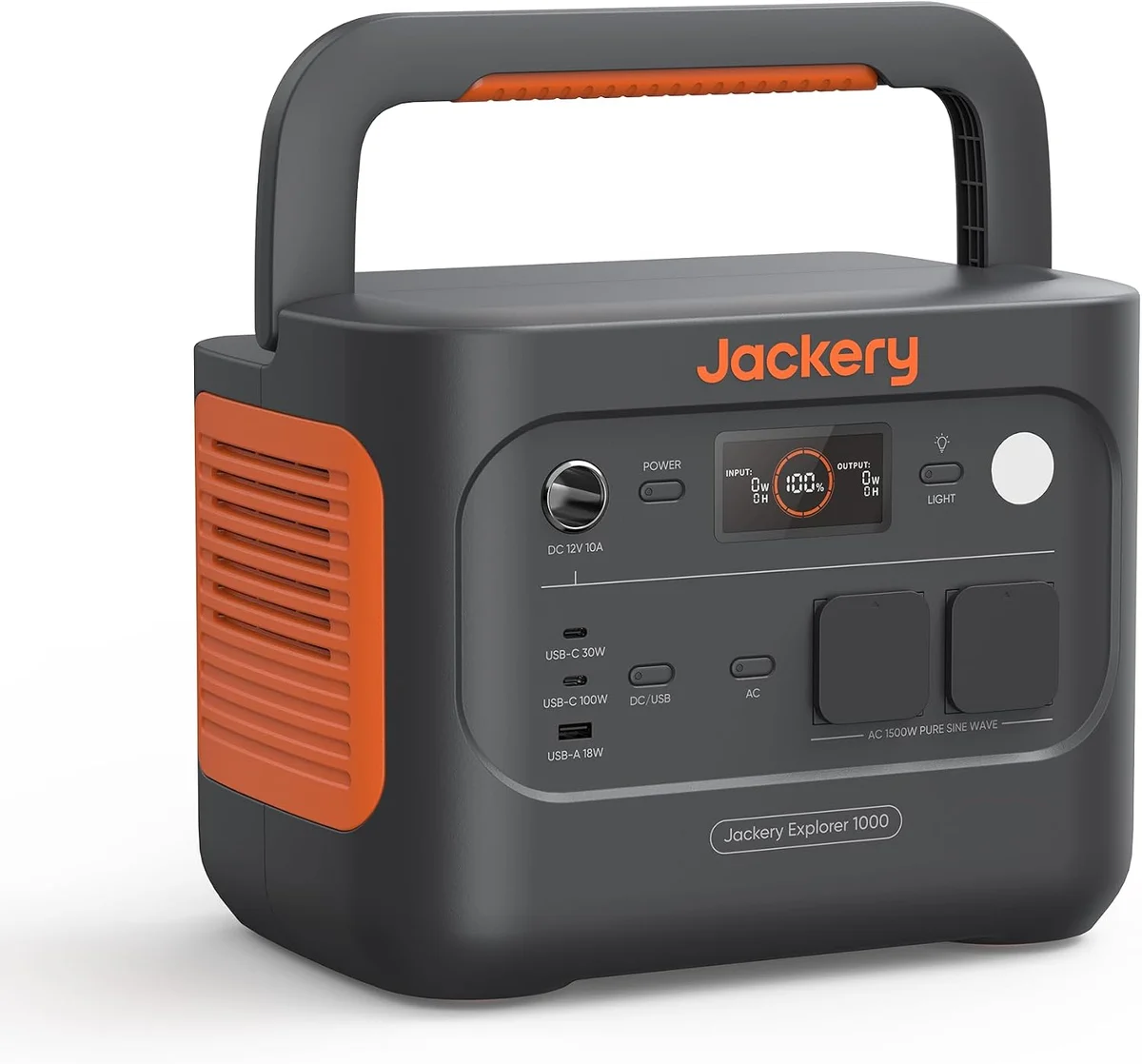
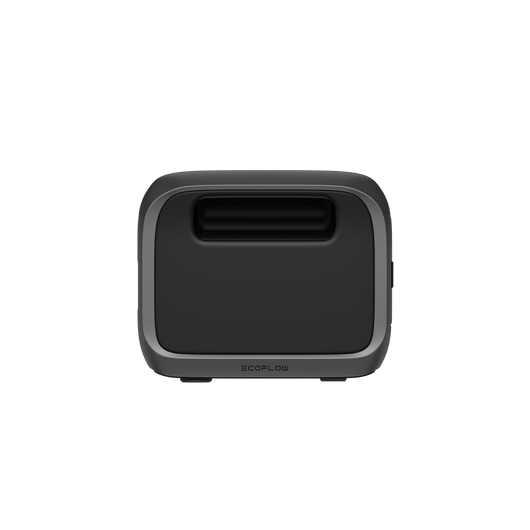
Side-by-side
| Jackery Explorer 1000 v2 | EcoFlow RIVER 3 | |
|---|---|---|
| Capacity | 1,070 Wh | 230 Wh |
| Continuous output | 1,500 W | 300 W |
| Weight | 23.8 lb | 7.8 lb |
| Fast charge (AC) | 1.7 h (standard mode) | ~1 h |
| Battery chemistry | LiFePO4 | LiFePO4 |
These two aren't actually direct competitors at the same tier — the Explorer 1000 v2 has more than 4x the capacity and 5x the continuous output of the RIVER 3, and that gap is the whole story. EcoFlow's RIVER 3 line competes more directly with Jackery's smaller Explorer 300/500-class units; the fair RIVER-series comparison to the Explorer 1000 v2 is the RIVER 3 Max Plus, not the base RIVER 3.
When the Explorer 1000 v2 is the right call
If your list includes a fridge for several hours, a CPAP overnight, or multiple devices running at once, the Explorer 1000 v2's 1,500W continuous output and 1,070Wh capacity give you real headroom — see our wattage sizing guide to confirm your own numbers before choosing a tier.
When the RIVER 3 is the right call
If you're prioritizing weight and packability — a bug-out bag, a backpack, a small apartment closet — the RIVER 3's 7.8 lb and compact footprint win by a wide margin over anything in the Explorer 1000-class. It's sized for phones, lights and small electronics, not a fridge or CPAP for a full night.
Both are LiFePO4 under the hood, so battery longevity isn't the deciding factor — capacity and output tier is. Run your actual appliance list through our free wattage calculator to see which tier you genuinely need, then check current pricing on our power station picks page, which carries both the Explorer 1000 v2 and the RIVER 3 line.