

Most home furnaces, even gas ones, need electricity to run the blower fan — so a power outage typically means no heat at all, not just no electric heat. Staying warm safely comes down to layering, sealing, and choosing a heat source carefully.
Layer and seal before adding any heat source
- Close off and don't heat unused rooms — concentrate everyone in one smaller space
- Block drafts under doors with towels or draft stoppers
- Layer clothing and use sleeping bags rated well below the outdoor temperature at night
- Keep interior doors closed to trap body heat in the occupied space
Powering a space heater safely
A generator or large power station can run an electric space heater — check its wattage (typically 750-1,500W) against your unit's continuous output. This is where an inverter generator's clean, stable power matters, and where a battery-based power station has a real safety edge with zero carbon monoxide risk indoors.
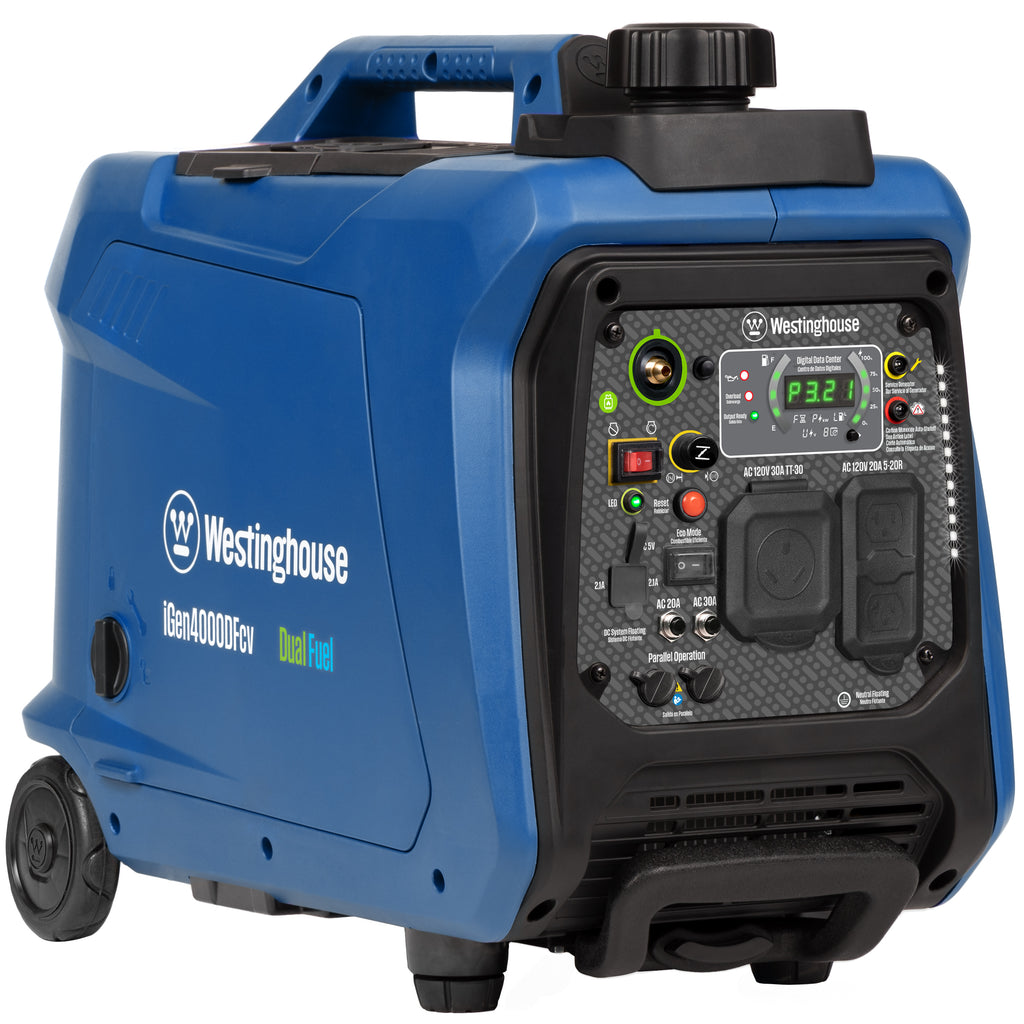
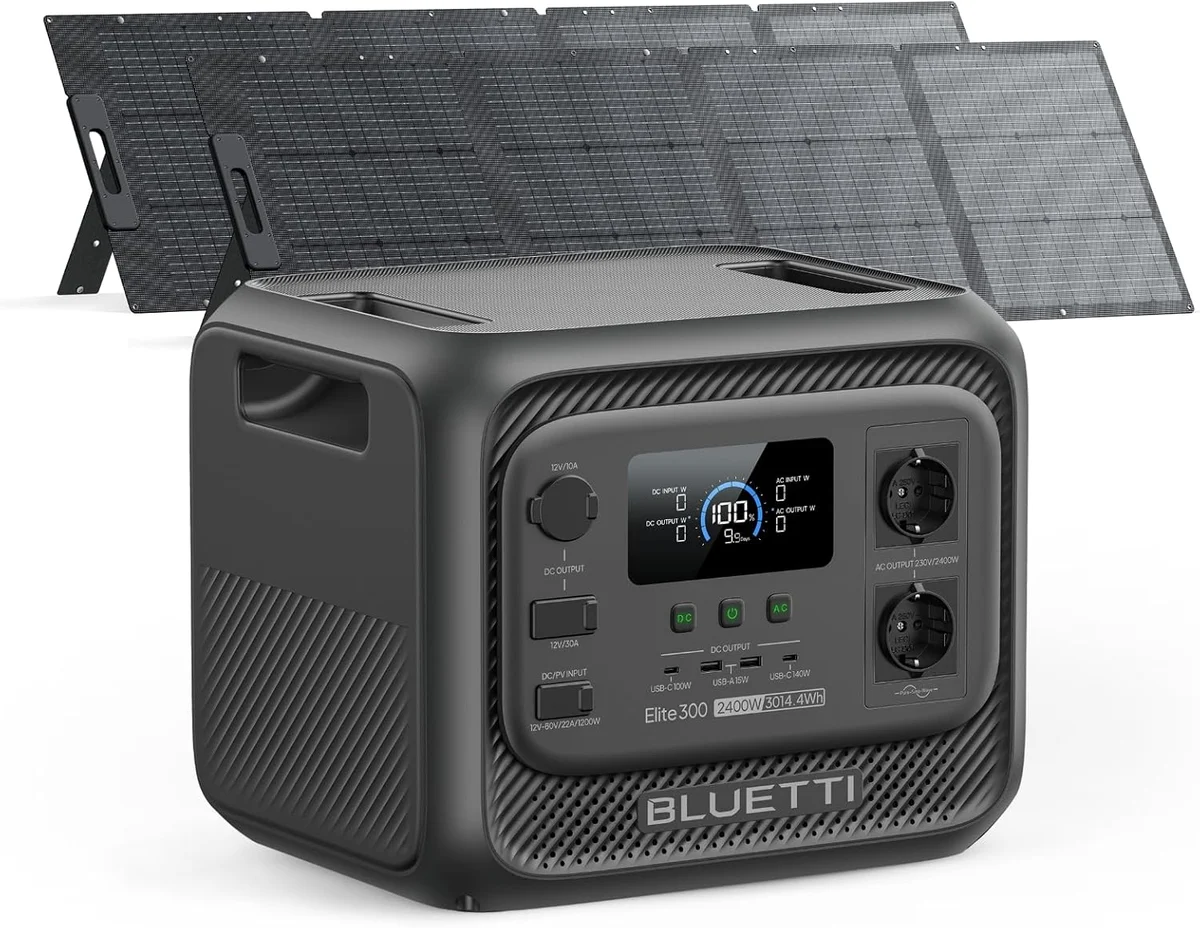
What never to do
Never run a generator, camp stove, or charcoal/propane grill indoors, in a garage, or near a window for heat — this is the single most common cause of winter power-outage carbon monoxide deaths. See our carbon monoxide safety guide for the complete rules before you rely on any combustion-based heat source.