

Most homeowners size a solar array against their roof and their electricity bill, then discover late in the process that their electrical panel is the real limit. On a standard 200 amp service, the National Electrical Code's interconnection rules typically cap a backfed solar system at around 7.6 kW AC — regardless of how much roof you have.
The 120% rule, in plain terms
When solar backfeeds your panel, power enters from both ends of the busbar — the utility at one end, the solar breaker at the other. The code allows the busbar to be loaded slightly beyond its rating because those two sources rarely peak together, but only within a defined margin:
(Busbar rating × 1.2) − main breaker rating = maximum solar backfeed breaker
For a standard 200A panel with a 200A main breaker:
- 200A busbar × 1.2 = 240A allowable
- 240A − 200A main = 40A maximum backfeed breaker
- A breaker must be sized at 125% of continuous inverter output, so 40A ÷ 1.25 = 32A of inverter output current
- 32A × 240V = 7,680W AC, or about 7.6 kW
That 7.6 kW is AC output at the inverter. Because DC arrays are routinely oversized relative to the inverter, the DC array behind it can reasonably be 9-10 kW — but the inverter is what the panel sees, and the inverter is what the rule constrains.
Why this catches people out
An average home needing 10,800 kWh a year wants roughly an 8-9 kW system in most climates — just above the ceiling a 200A service allows. Homes in cloudier regions, or with an EV or heat pump, land well above it. The array that matches your consumption and the array your panel will accept are frequently not the same array, and finding out at the interconnection application stage is expensive.
Four ways around the limit
| Option | What it does | Typical cost | Trade-off |
|---|---|---|---|
| Derate the main breaker | Swap the 200A main for 175A or 150A, freeing headroom (240 − 175 = 65A backfeed ≈ 12.5 kW) | $200 – $600 | Only viable if your load calculation supports the smaller main |
| Supply-side (line-side) tap | Connects solar ahead of the main breaker, outside the 120% rule entirely | $1,000 – $3,000 | More complex; some utilities restrict it |
| Service upgrade to 400A | Raises the busbar rating and the whole ceiling | $3,000 – $8,000+ | Expensive; usually needs utility coordination |
| Size the system to fit | Design to 7.6 kW and accept partial offset | $0 | Often the right answer — and cheaper than the alternatives |
That last row deserves more weight than it usually gets. Since the federal tax credit ended, spending $5,000 on a service upgrade to enable an extra 2 kW of panels has to pay for itself out of pocket, with no 30% offset. In many cases a 7.6 kW system covering 85% of usage returns more per dollar than a 10 kW system that required rewiring the service first.
The load calculation matters as much as the busbar
Derating the main breaker is only permitted if a proper load calculation shows your home's demand fits within the smaller main. A house with electric heat, an electric range, an EV charger and central air will not survive a derate to 150A. A gas-heated house with modest loads often will, comfortably.
This is exactly the kind of calculation a licensed electrician performs as part of the permit package, and it is not a good place to estimate. Getting it wrong means nuisance trips on the coldest day of the year.
Batteries count against the same limit
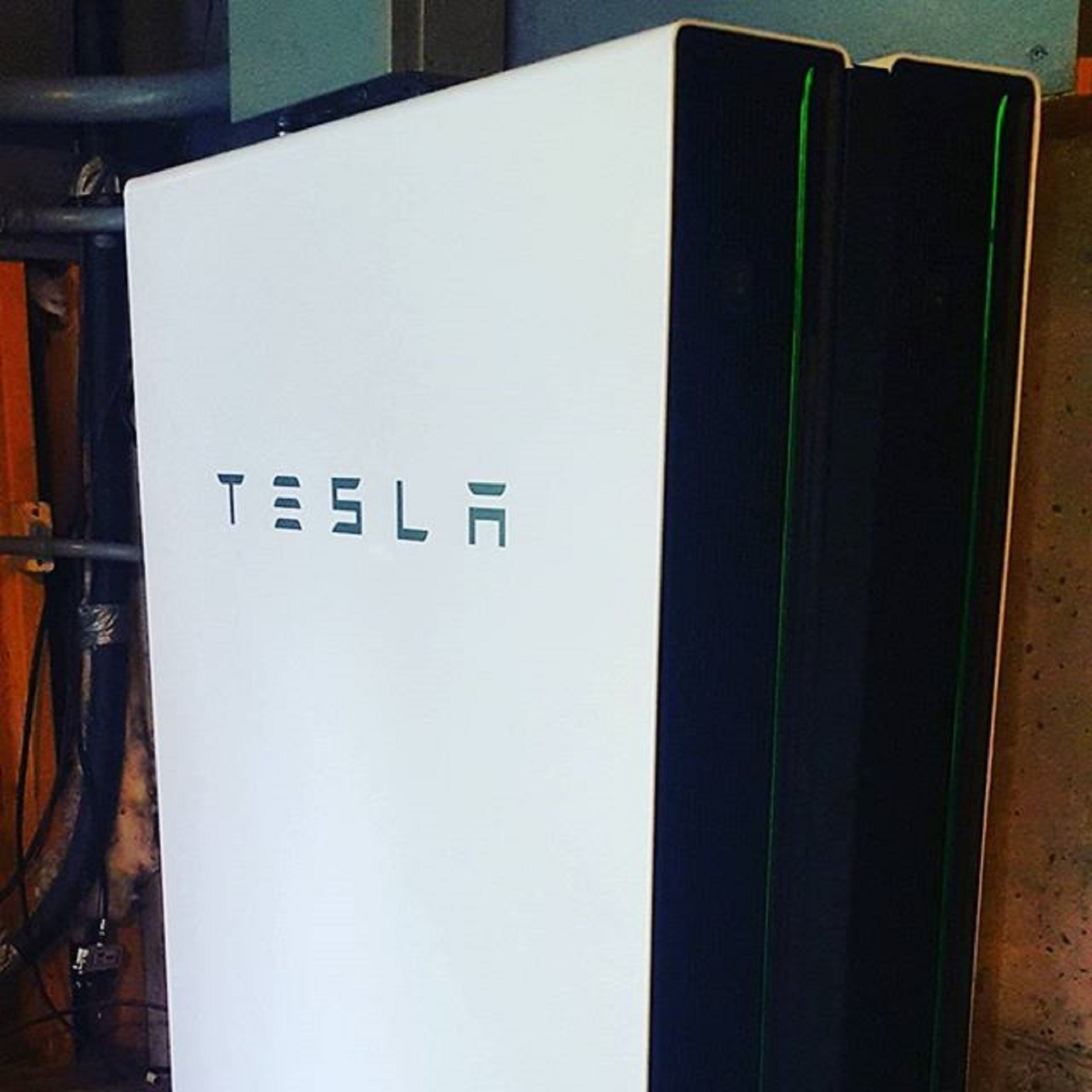
A home battery with backup capability is another source feeding the same busbar, and it consumes the same headroom. A plan for 7.6 kW of solar plus a battery later frequently does not fit a 200A service without one of the options above — worth designing for at the start rather than discovering when you add storage.
Before assuming a number, work out what you actually need: calculate your daily kWh usage, then turn it into a panel count, and compare that against the 7.6 kW ceiling before you talk to anyone about a service upgrade.
One caveat throughout: NEC section numbering and the specific allowances have changed between code editions, and your jurisdiction may be on an older cycle or have local amendments. Everything above describes the common case — confirm against the code edition your building department actually enforces.