

DIY solar equipment runs roughly $1.00 to $1.80 per watt in 2026. Professional installation runs roughly $2.50 to $3.50 per watt. That spread is the entire case for doing it yourself — but the per-watt figure quoted in most DIY guides covers the kit and nothing else, and the difference between the kit price and the finished project cost is where first-time builders get surprised.
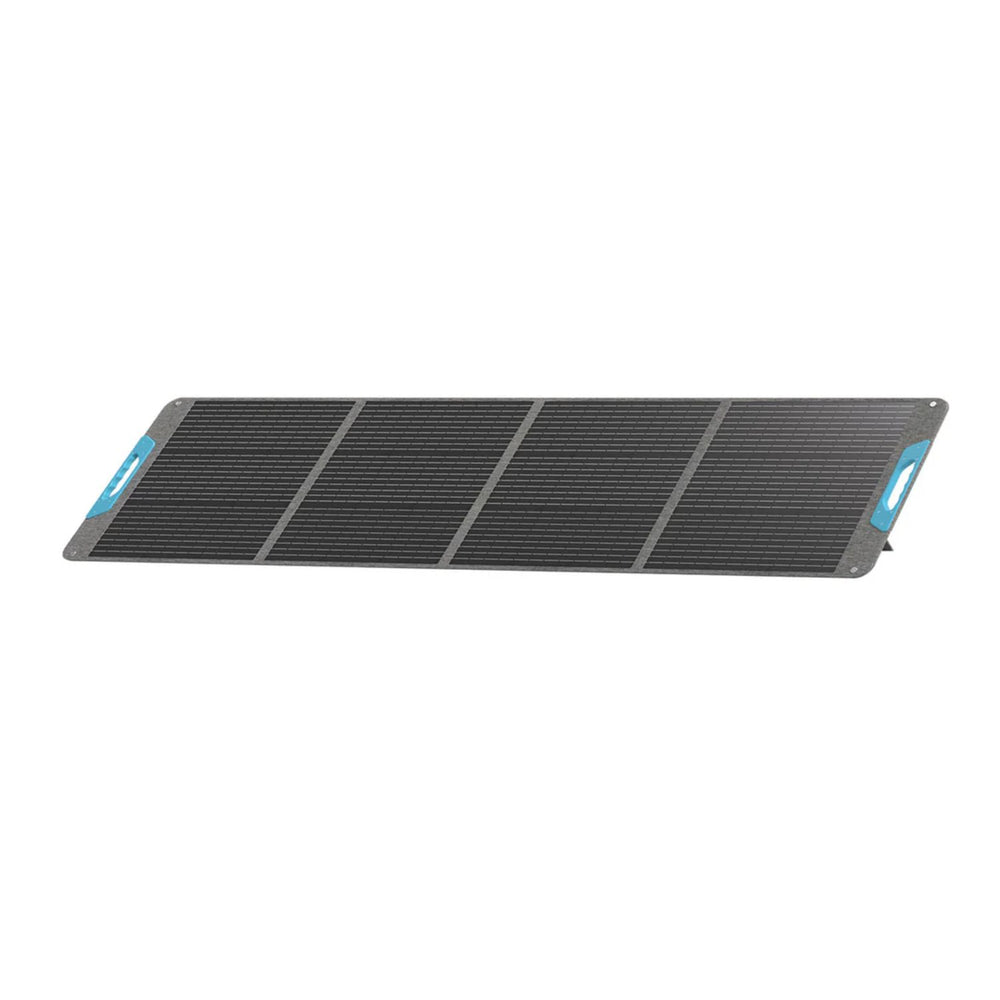
Line-item cost: an 8 kW DIY grid-tied system
8 kW is a reasonable size for an average U.S. home consuming around 10,800 kWh a year. Twenty 400W panels.
| Line item | Typical range | Notes |
|---|---|---|
| Panels (20 × 400W) | $3,200 – $4,800 | $0.40–0.60/W is normal for rigid mono panels |
| Inverter (string or microinverters) | $1,600 – $3,200 | Microinverters cost more but simplify shaded roofs |
| Racking and mounting hardware | $1,200 – $2,000 | Roof type drives this; tile costs more than asphalt |
| Wiring, conduit, connectors | $400 – $800 | Do not economize here — see voltage drop |
| Disconnects, breakers, combiner box | $300 – $600 | Code-required, not optional |
| Monitoring | $0 – $300 | Often bundled with the inverter |
| Permit and engineered plan set | $200 – $1,500 | Varies enormously by jurisdiction |
| Licensed electrician, final tie-in | $500 – $2,000 | Required in most jurisdictions |
| Utility interconnection application | $0 – $500 | Plus possible meter swap |
| Total | $7,400 – $15,700 | Midpoint around $10,000-11,000 |
The bolded rows are the ones missing from most "DIY solar costs $1/watt" claims. Together they add $700 to $4,000 — potentially a third of the project.
The costs DIY guides consistently leave out
- The engineered plan set. Many building departments require stamped structural and electrical drawings before issuing a permit. Some kit vendors include a plan set; if yours does not, budget for an engineer.
- The licensed electrician. You can generally mount panels and run DC wiring yourself. The connection to your main service panel is regulated work in nearly every jurisdiction, and your utility will not approve interconnection without it.
- Failed inspections. First-time installers routinely need a second inspection visit. Some jurisdictions charge a re-inspection fee, and every visit is a scheduling delay.
- Roof condition. If the roof has under ten years of life left, the correct sequence is re-roof first, then mount panels — otherwise you are paying to remove and reinstall the array mid-life.
- Fall protection and tools. Harness, anchors, and possibly scaffolding rental. This is a safety cost, not an optional one, and it is the single most common corner cut on DIY solar projects.
- Your time. A first-time 8 kW roof install is realistically 40-80 hours across permitting, mounting, wiring and inspection scheduling.
Off-grid DIY costs less and skips most of the paperwork
A shed, workshop or cabin system with no grid connection avoids the interconnection application, usually avoids the utility-driven permitting burden, and often does not need a licensed electrician at all — because there is no service panel to tie into. A 2 kW off-grid build with storage:
| Line item | Typical range |
|---|---|
| Panels (5 × 400W) | $800 – $1,200 |
| MPPT charge controller (60A) | $150 – $450 |
| LiFePO4 battery bank (~5 kWh) | $1,000 – $2,000 |
| Inverter (3,000W pure sine) | $400 – $900 |
| Racking (ground or pole mount) | $300 – $800 |
| Wiring, fuses, disconnects, busbars | $200 – $500 |
| Total | $2,850 – $5,850 |
This is the build where DIY solar is most clearly worth it, and it is unaffected by the end of the federal credit — see is DIY solar still worth it without the tax credit for why.
What you actually save versus hiring it out
The same 8 kW system professionally installed at $2.50-3.50 per watt is $20,000 to $28,000. Against a DIY midpoint near $10,500, that is $9,500 to $17,500 saved — and since December 31, 2025 there is no 30% federal credit shrinking that gap for either side. Before you commit to a system size, confirm it against your own consumption using your actual daily kWh rather than the 8 kW example here, and check the appliance-level side of the math with our free wattage calculator.