

Backpacking changes the power-station calculus completely — every pound matters, and the biggest-capacity unit is rarely the right answer. These three prioritize weight first, capacity second.
| Model | Weight | Capacity | Continuous output | Price |
|---|---|---|---|---|
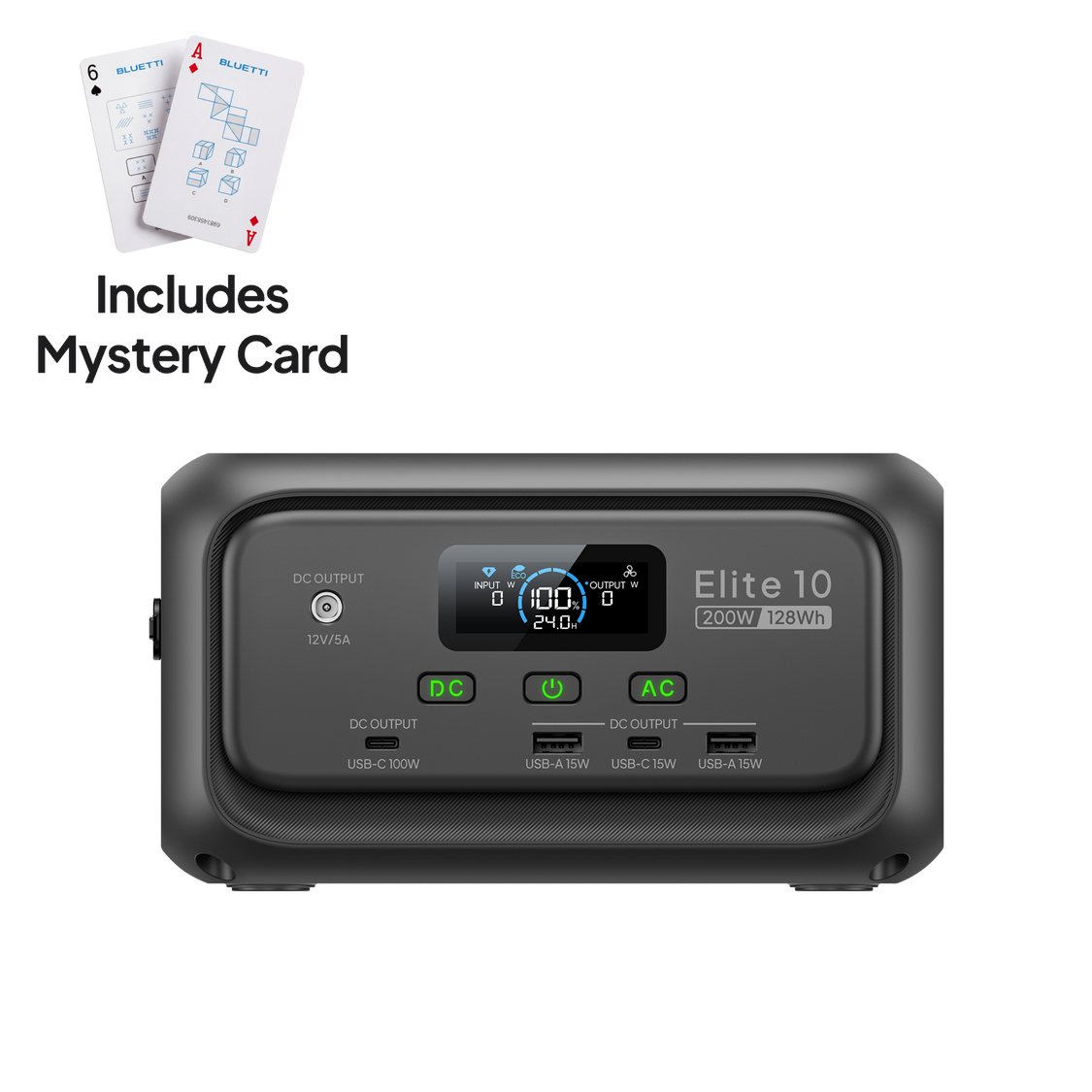
| BLUETTI Elite 10 Mini | 4 lb | 128Wh | 200W | $119 |
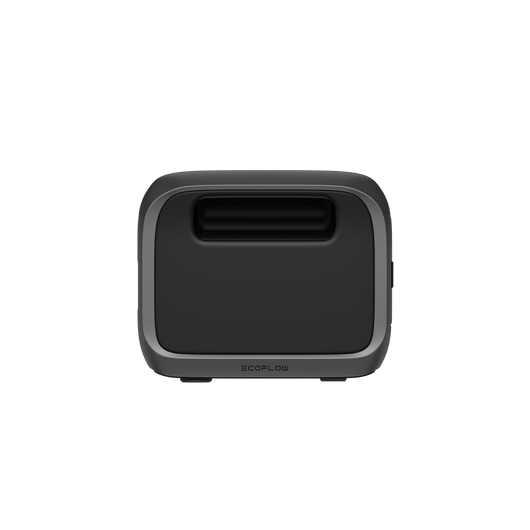
| EcoFlow RIVER 3 | 7.8 lb | 230Wh | 300W | $239 |
| Goal Zero Yeti 300 | 13.7 lb | 297Wh | 350W | $349.95 |
BLUETTI Elite 10 Mini: as light as it gets
At 4 lb and genuinely pocketable, this is built for phone, headlamp and GPS device charging on multi-day trips where every ounce in the pack counts — not for anything resembling a fridge or larger electronics.
EcoFlow RIVER 3: the middle ground
Nearly double the capacity of the Elite 10 Mini for less than double the weight, with enough output (300W) to cover a small camp light setup or a larger device alongside phone charging — a reasonable balance for trips where you're willing to carry a bit more for real flexibility.
Goal Zero Yeti 300: most capacity, still backpackable
The heaviest of the three at 13.7 lb, but still reasonable to carry, and rated for 4,000+ charge cycles — over a decade of typical trip use. The extra capacity and 350W output give real margin for a multi-day group trip's combined charging needs.
What these can't do
None of these three are sized for a cooler, fridge or anything with a compressor — for that kind of load, even on a trip with vehicle access, see our power stations for camping fridges guide instead.