

Almost every solar guide assumes you own the roof. Renters have a genuinely different problem: no permission to modify the building, no interconnection agreement, no interest in leaving equipment behind, and often a balcony or a window instead of a roof. The options are narrower than a homeowner's, but they are not zero.
Option 1: power station plus portable panel
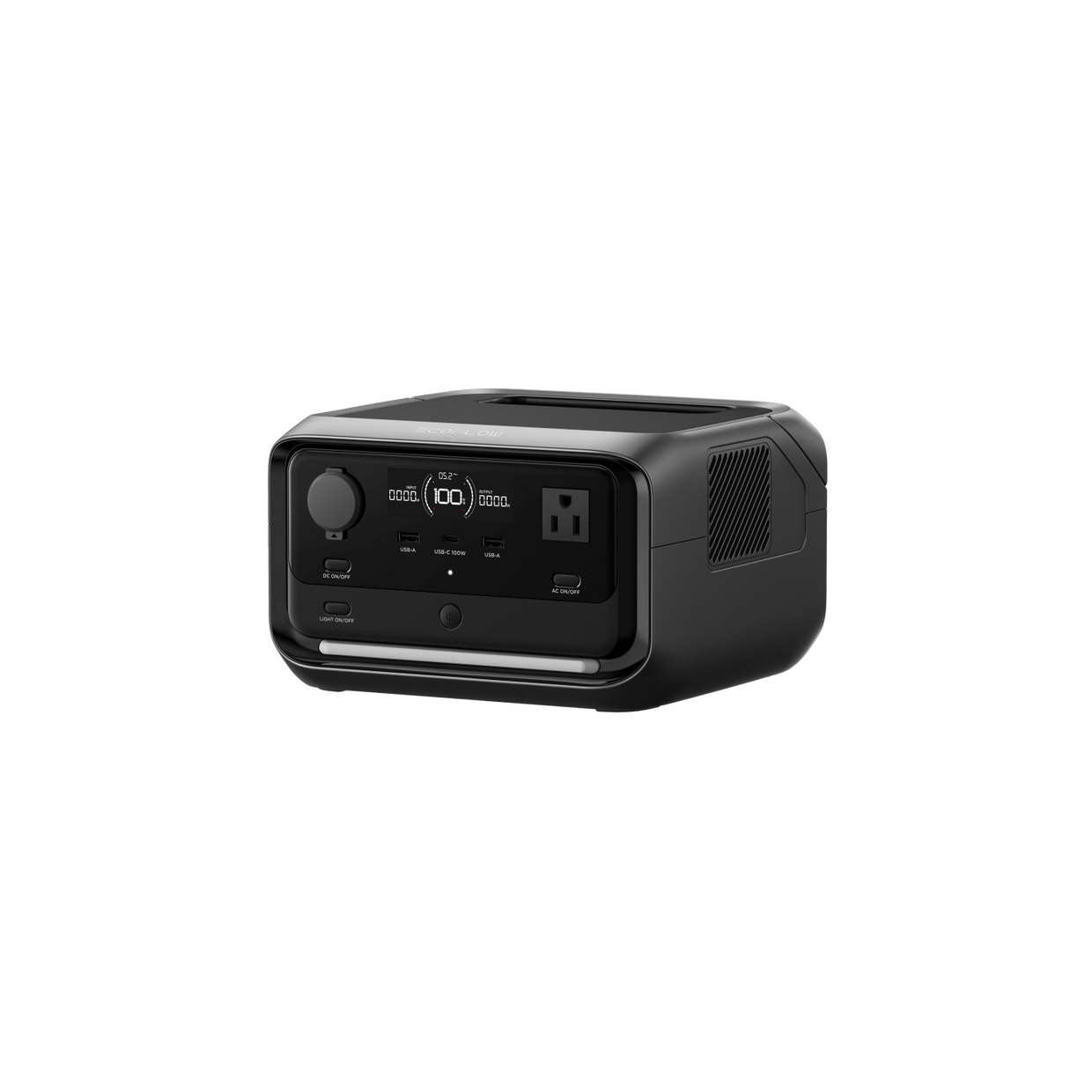
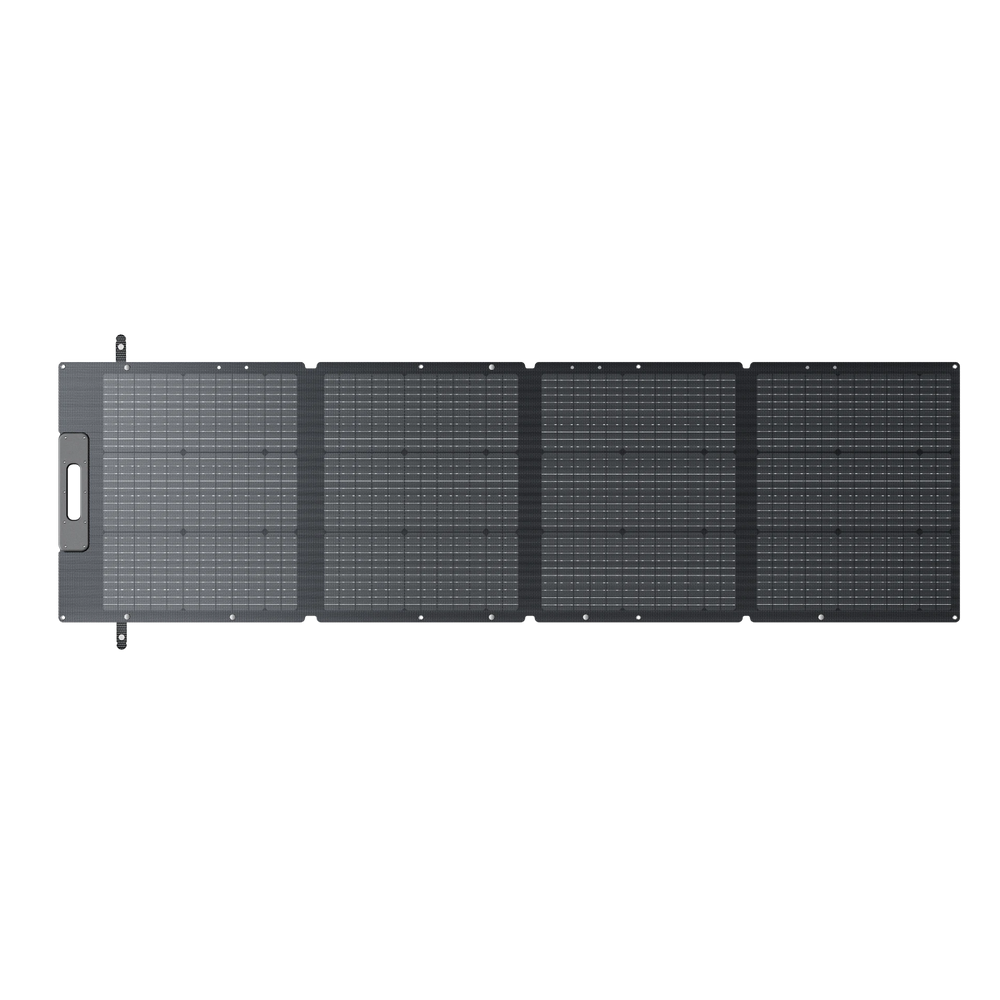
The straightforward route, and the one most renters end up with. A power station and a folding panel need no installation, no landlord permission and no permits, and they leave with you. The panel sits on the balcony, in a window or on a patio during the day; the power station lives inside.
Be honest about what this is for. A 200W panel yields roughly 750Wh on a good day, which is around 15-25 cents of electricity. It will not meaningfully reduce your bill. What it does is provide genuine outage independence in a building where you have no other option — keeping a fridge, phones, Wi-Fi and lights running when the building loses power, which for an apartment dweller is otherwise very difficult to solve.
Option 2: balcony solar
Balcony solar — one or two panels mounted on a railing, feeding through a small plug-in microinverter into a normal outlet — is a mature product category in Germany, where regulatory changes made it straightforward and millions of units are installed. It genuinely does reduce your bill, because the power flows into your apartment's circuits and offsets whatever is running.
In the U.S. it is far more complicated, and honesty matters here more than enthusiasm. Plugging any generating device into a household outlet raises real questions about backfeeding, circuit protection and utility interconnection rules, and the regulatory position varies by state and utility. Some jurisdictions have begun creating pathways for plug-in solar; many have not addressed it at all, which is not the same as permitting it.
If this interests you, check your own state and utility rules directly before buying, and check your lease. Do not assume a product being available for sale means it is approved for use where you live.
Option 3: ask about a shared or community programme
Community solar subscribes you to a share of an off-site array and credits your utility bill, with no equipment at all. It is the only option on this page that reliably reduces a renter's bill at meaningful scale, and it is available in a growing number of states. It does nothing for outages, since it is an accounting arrangement rather than a physical system — but for reducing cost it is the realistic answer.
What each option actually achieves
| Option | Cost | Cuts your bill? | Helps in an outage? | Landlord permission? |
|---|---|---|---|---|
| Power station + panel | $400 – $1,200 | Negligibly | Yes | Not usually needed |
| Balcony solar | $400 – $900 | Modestly | No | Usually yes |
| Community solar | $0 upfront | Yes | No | No |
| Power station only, no panel | $200 – $700 | No | Yes | No |
Most renters are better served by being clear about which problem they are solving. If it is the electricity bill, community solar is the answer and panels are not. If it is outage resilience, a power station is the answer and the panel is an optional extension that lets it last beyond its stored capacity.
Practical notes for apartments
- Window and balcony orientation decides everything. A north-facing balcony in the northern hemisphere will produce very little regardless of panel quality.
- Glass blocks a substantial fraction of usable light. A panel indoors behind a closed window produces far less than the same panel outside — deploy it on the balcony, not the windowsill, whenever you can.
- Secure the panel against wind. A folding panel on a high balcony is a hazard to people below if it lifts.
- Check the lease before mounting anything to a railing or wall. Free-standing and removable is almost always fine; anything drilled usually is not.
- LiFePO4 power stations are the sensible choice indoors for their thermal stability and long cycle life.
For sizing a unit to your actual apartment loads, our free wattage calculator covers the appliance side, and power stations for apartment dwellers covers the specific constraints of small spaces.