

A freezer is one of the best-behaved loads you can put on a solar system. It runs on a predictable duty cycle rather than at random, it tolerates the power being interrupted for hours, and it effectively stores energy as cold — which is exactly the property you want when generation is intermittent. Sizing for one is straightforward once you stop using the nameplate wattage.
Duty cycle, not nameplate
This is where most freezer sizing goes wrong. A chest freezer might draw 100-150W while its compressor runs — but the compressor only runs perhaps 30-40% of the time in mild conditions. Multiplying nameplate watts by 24 hours overestimates consumption by roughly three times and leads to a system twice the size you need.
| Freezer | Compressor watts | Summer duty cycle | Daily energy |
|---|---|---|---|
| Small chest (5-7 cu ft) | 100 W | 35% | ~840 Wh |
| Large chest (15-20 cu ft) | 150 W | 40% | ~1,440 Wh |
| Upright freezer (14 cu ft) | 150 W | 50% | ~1,800 Wh |
| 12V DC chest freezer | 45 W | 35% | ~380 Wh |
Two things stand out. Chest beats upright by a wide margin, because cold air does not fall out when you open the lid — often 30-40% less energy for the same capacity. And a 12V DC freezer uses roughly half of what an AC unit does, because it skips the inverter conversion entirely and is built for efficiency. For a dedicated off-grid installation, a DC chest freezer is usually the right purchase even at a higher sticker price.
Size for the hottest week, not the average
Duty cycle rises sharply with ambient temperature. A freezer in a 95°F garage works far harder than the same unit in a 70°F basement — the same appliance can swing between roughly 30% and 60% duty cycle across that range, nearly doubling consumption.
So: size against your hottest expected conditions in the location where it will actually sit. And if there is any choice about that location, moving the freezer somewhere cooler is the cheapest capacity upgrade available. Shade, a basement or an insulated outbuilding can cut consumption by a third for no equipment cost at all.
A worked system
For a large chest freezer at 1,440Wh a day in summer:
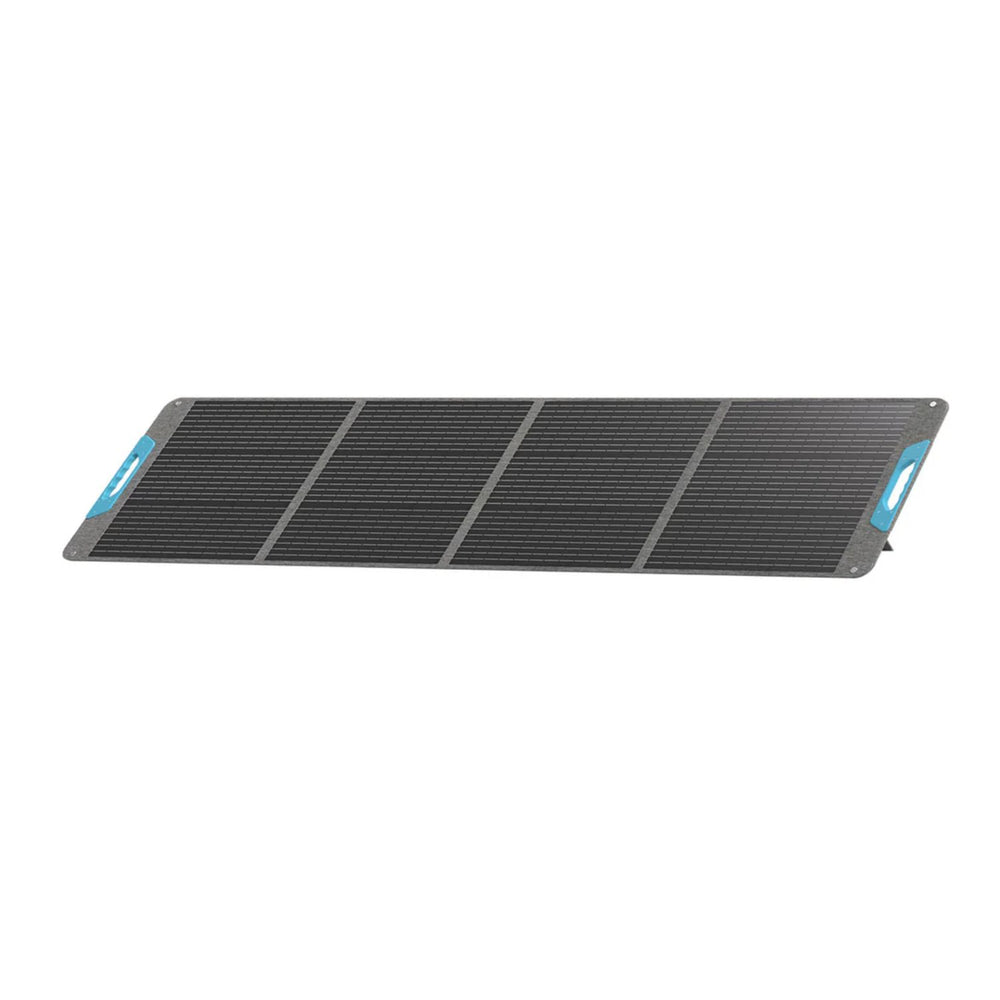
- Array: 1,440 ÷ (5 × 0.75) = 384W. Use 600W for margin on cloudy days — three 200W panels.
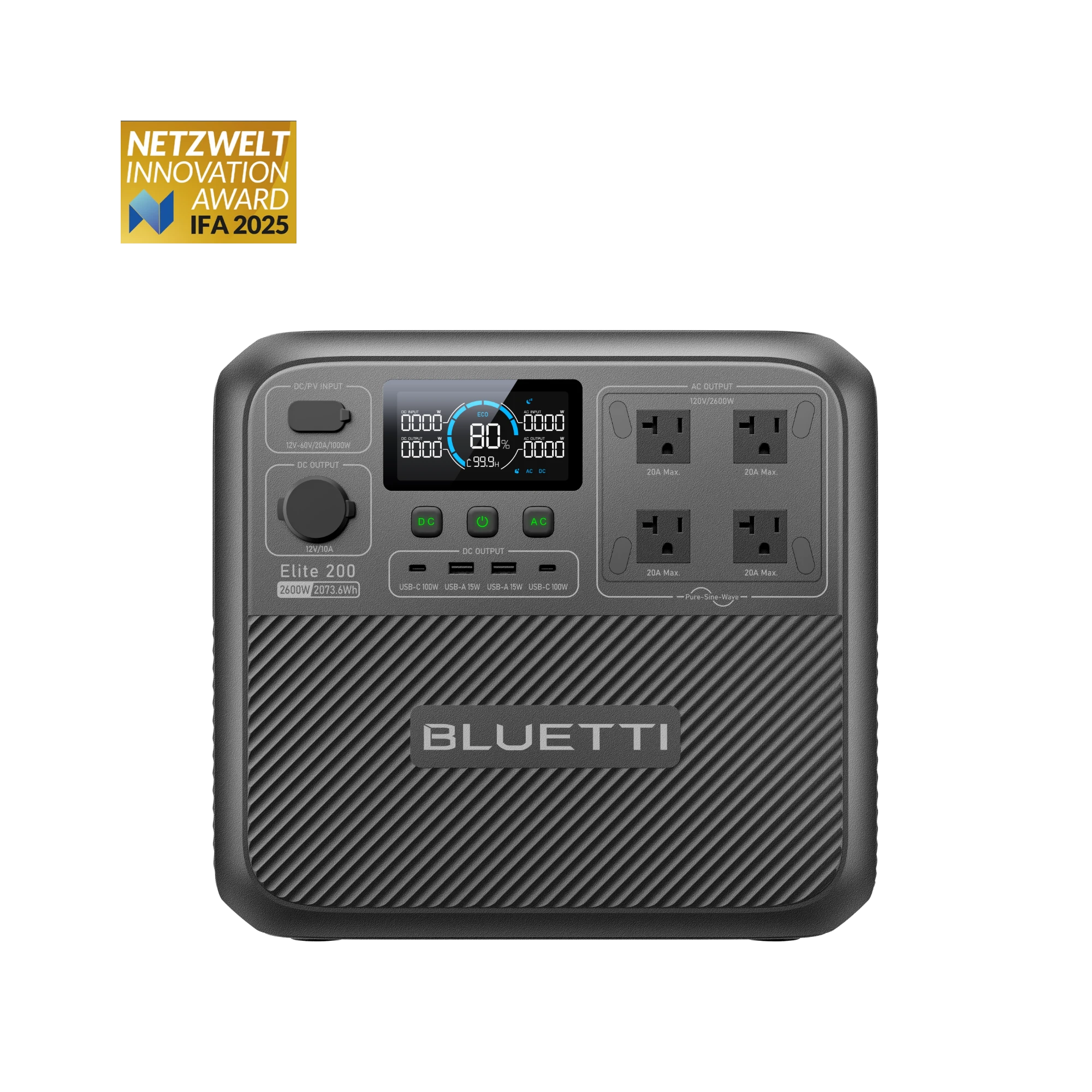
- Battery: one day of autonomy is 1,440Wh usable. Two days is comfortable at 2,900Wh, or roughly two 12V 100Ah LiFePO4 batteries.
- Inverter: the compressor surges to roughly 3x running watts on start, so 150W running needs about 800-1,000W of surge headroom. A 1,000W pure sine inverter is sufficient — but it must be pure sine, since modified sine wave damages compressor motors over time.
Note how modest that is: around $800-1,200 in equipment to run a large freezer indefinitely on sun. It is one of the most cost-effective off-grid loads there is.
Thermal mass is free storage
A full freezer holds its temperature far longer than an empty one, because the frozen contents act as a thermal battery. This is genuinely useful design leverage:
- Keep it full — fill empty space with water jugs, which freeze once and then buffer temperature for free
- A full chest freezer holds safe temperature for roughly 48 hours with the lid closed and no power at all
- Pre-chill deliberately before bad weather. Running the freezer hard on a sunny afternoon to drive the temperature down a few extra degrees banks energy you draw on during a cloudy stretch
- Open it as little as possible when running on limited power
That 48-hour buffer means a freezer does not need the same autonomy margin as a load that fails immediately. You can let the battery run low overnight and recover the next morning without risking the contents — which is precisely why a freezer suits solar so well.
For the food-safety side of running cold storage on interrupted power, see how long food lasts without power, and use our free wattage calculator to add the freezer to your wider load list.