

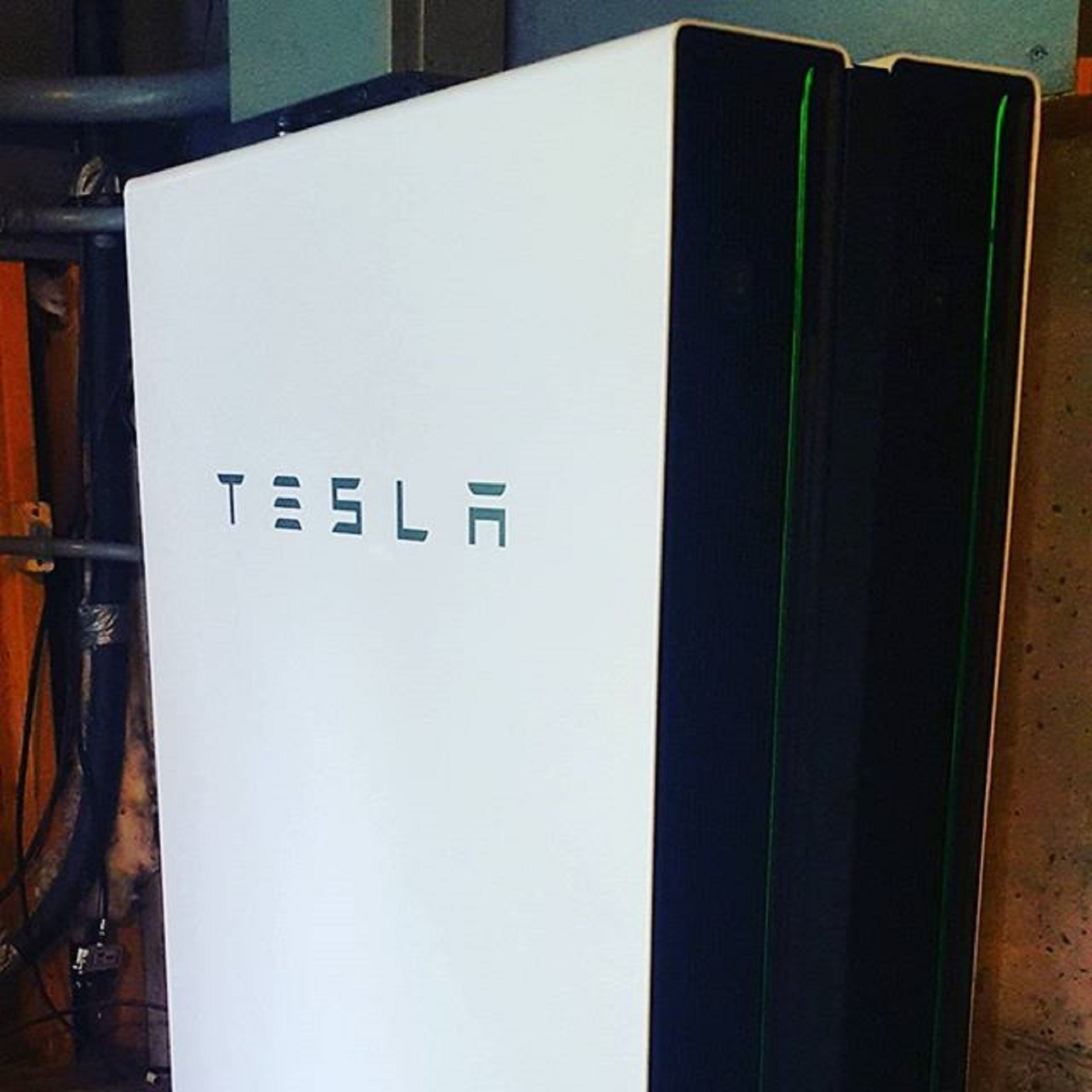
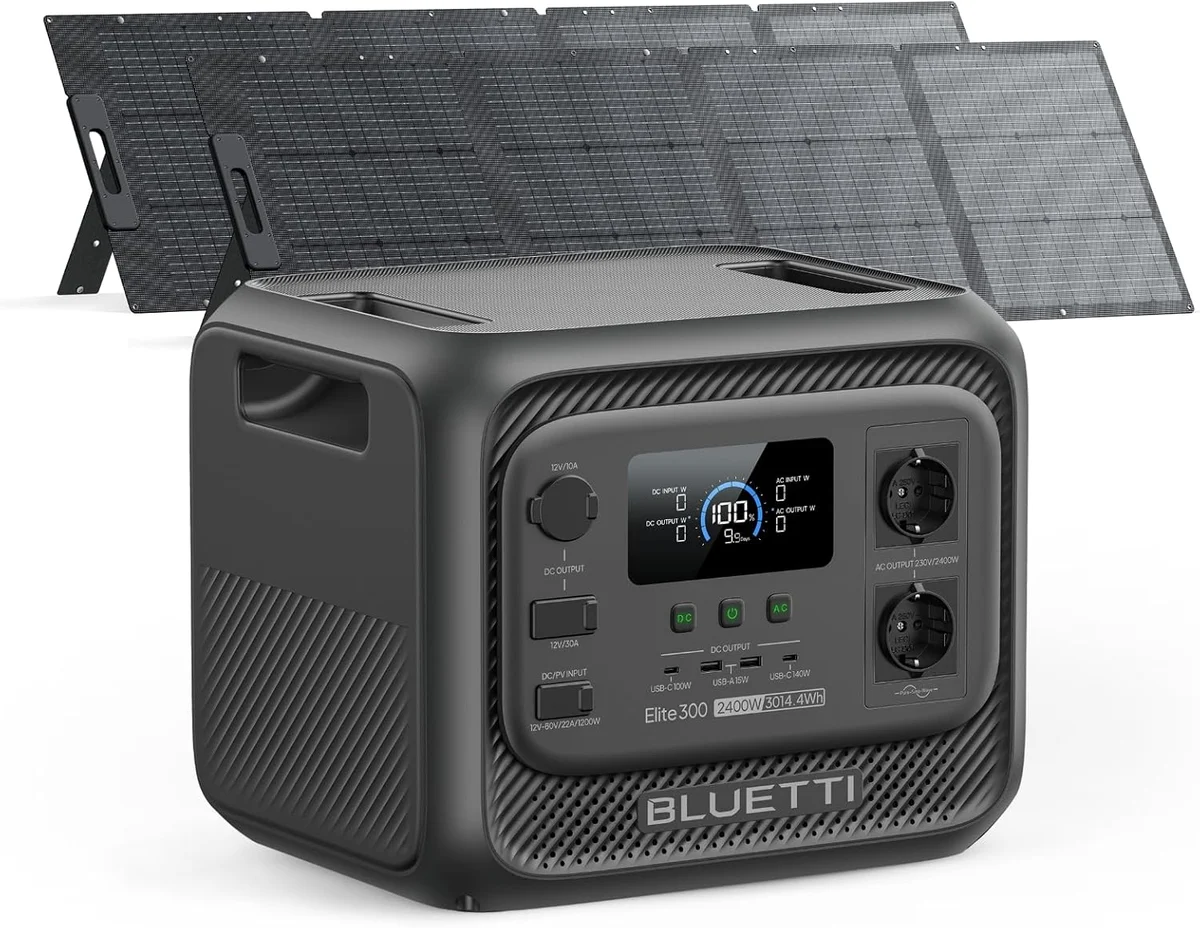
Home battery backup was a niche, expensive category a decade ago, largely limited to off-grid enthusiasts and early solar adopters. That's changed fast — driven by falling battery costs, rising grid instability, and expanding product categories.
What's driving the growth
- Falling LiFePO4 battery costs — the same battery chemistry improvements that made portable power stations affordable have brought installed system costs down too
- More frequent, longer outages — an aging grid and more extreme weather events have made backup power feel less optional to more households
- Growing solar adoption — batteries pair naturally with rooftop solar, and each drives demand for the other
- New portable-and-modular product categories — large portable power stations have created an accessible middle tier between "no backup" and a full installed system
Where the industry is headed
Expect continued price compression as battery manufacturing scales further, more modular/expandable designs (start small, add capacity later) across both installed and portable categories, and deeper integration with home solar and EV charging as bidirectional technology matures — see our bidirectional EV charging explainer for where that's heading.
What this means for buyers
A fast-growing, still-maturing category means more competition and better prices over time, but also a wider range of quality — established brands with real track records remain the safer bet over the newest, cheapest options until they've proven reliability.