

Backup power gets pitched as a home-value upgrade almost as often as solar panels — but the data behind that claim applies specifically to permanently installed systems, not the portable power stations and generators most homeowners actually buy first.
What real estate data says about backup power and home value
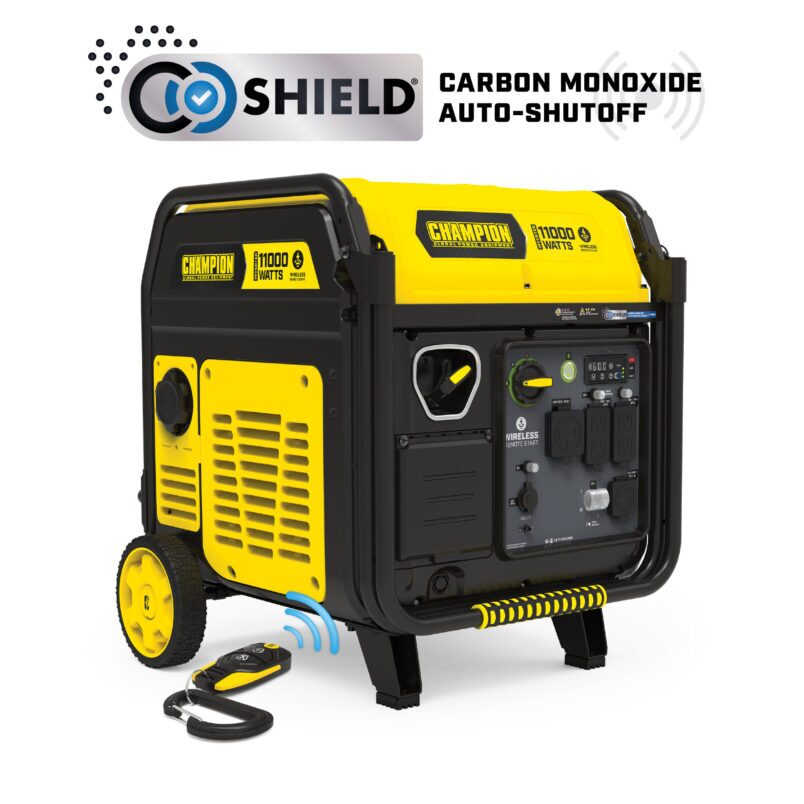
Appraisers and real estate listings treat installed backup power as a fixture — like central air or a finished basement — because it's permanently wired into the home and stays with the property at sale. A portable power station or a generator that gets wheeled out and plugged in doesn't meet that bar; buyers may value the convenience in a walkthrough, but it's not typically reflected in an appraisal the way an installed system is.
Why installed battery systems tend to edge out standby generators
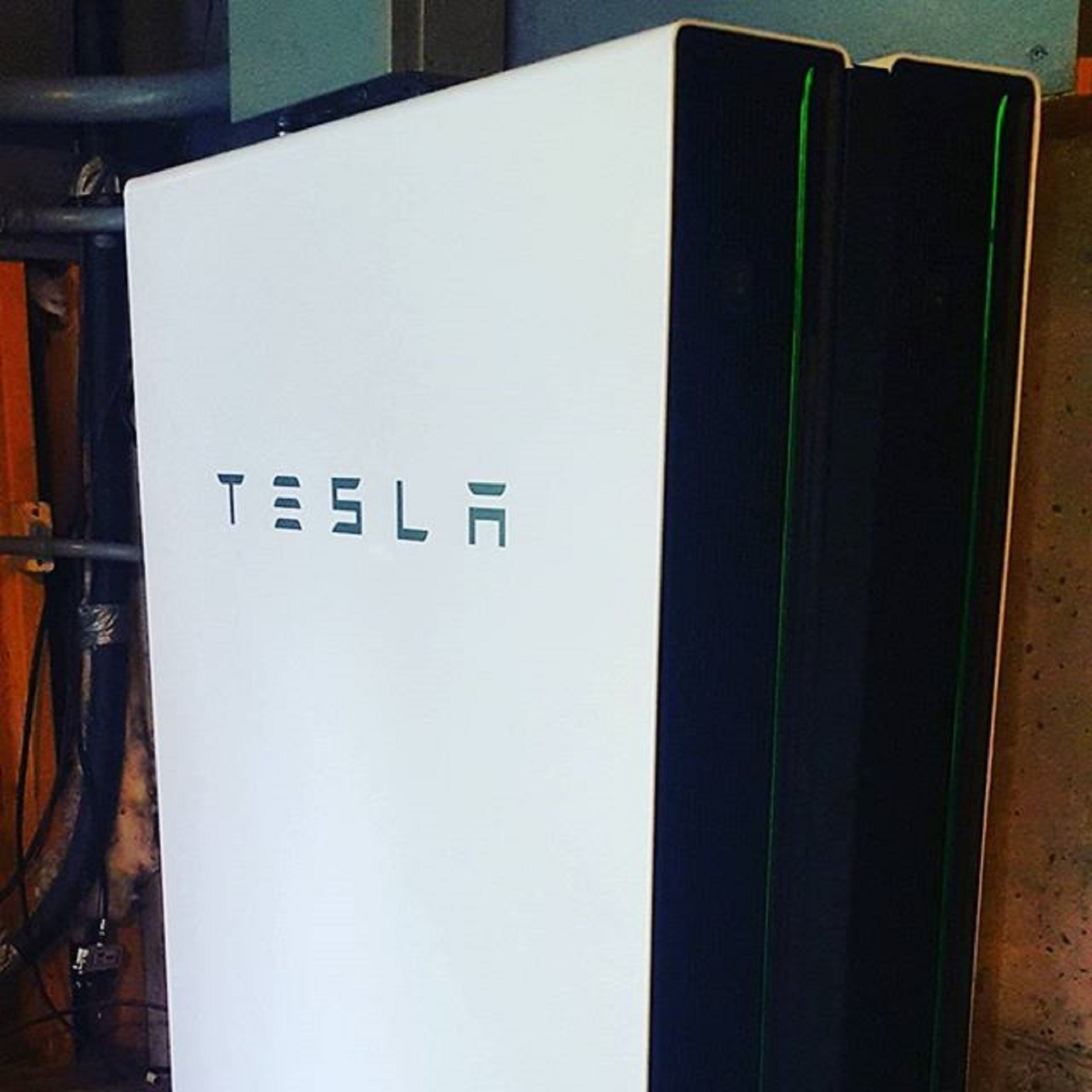
Between the two installed options, a battery system like a Powerwall or PWRcell has become the more attractive selling point in many markets recently — it runs silently, doesn't need a fuel tank or generator pad, and pairs naturally with the rooftop solar a growing share of buyers already expect. A standby generator still adds real value, particularly in regions with frequent, long outages, but buyers increasingly weigh the silence and lack of fuel logistics of a battery system as a meaningful plus.
Where portable units still make sense
None of this means a portable power station or generator is a bad purchase — for most households they're the far cheaper, faster way to get real backup capability, discussed throughout our costs and calculators guides. They're just a personal convenience purchase, not a fixture that follows the house at resale, the way an installed system is.