

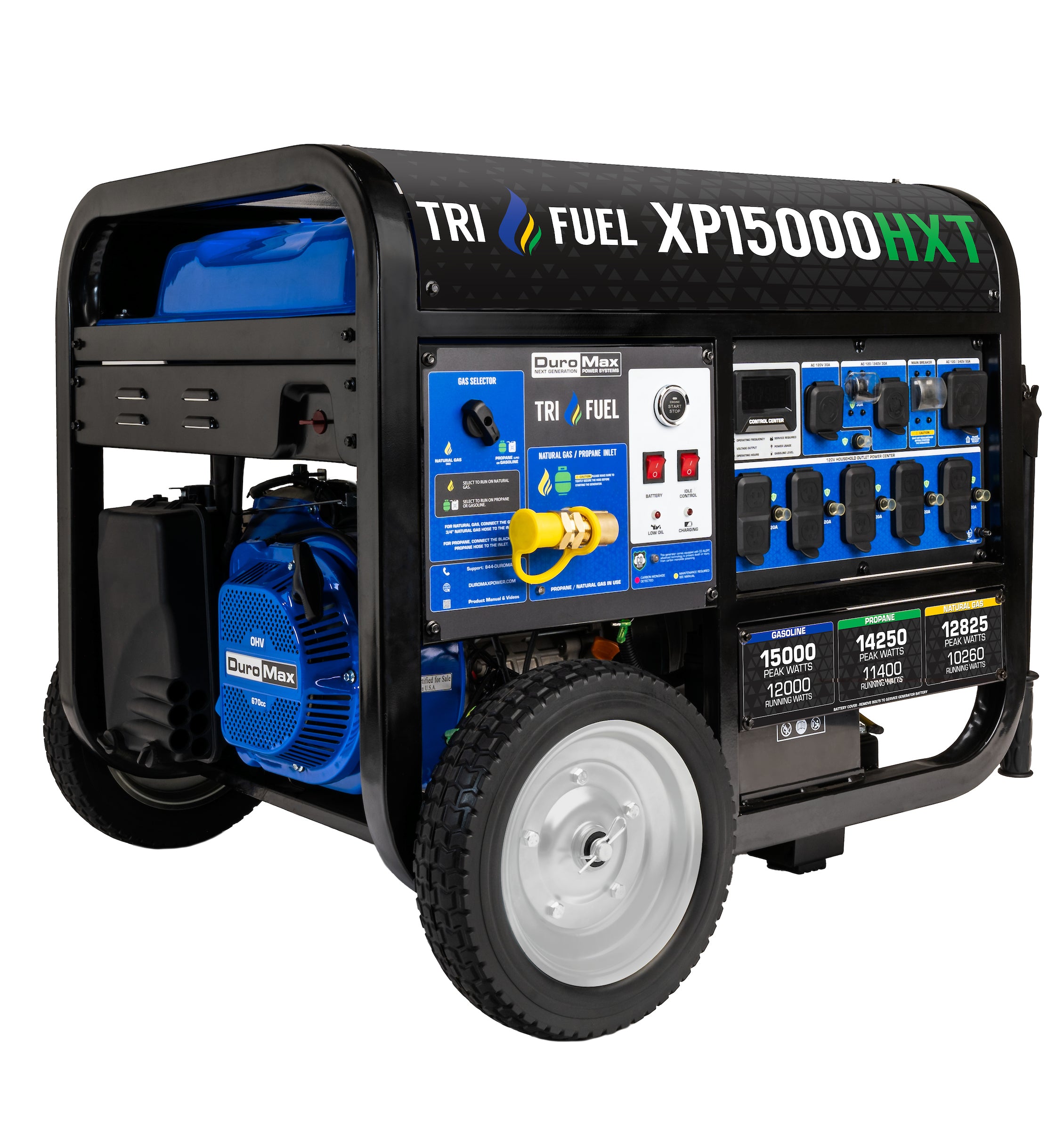

A generator running during an occasional outage has a genuinely different environmental footprint than one used regularly — and the honest answer depends heavily on how often and how long yours actually runs.
The direct impact: emissions during use
Gasoline and propane generators burn fuel and produce CO2, along with other combustion byproducts, for every hour of operation — a real, if generally modest, contribution for a unit run occasionally during outages, but meaningful for anyone using one regularly as a primary power source.
How battery-based alternatives compare
A power station charged from grid electricity or solar produces zero direct emissions during use — the environmental impact shifts to how the electricity used to charge it was generated (and to the battery's manufacturing footprint), which for solar charging specifically is about as low-impact as backup power gets.
The manufacturing side of the equation
Neither option is impact-free to manufacture — batteries require mining and processing of lithium and other materials, and generator engines require metal fabrication and machining. For occasional emergency use, the manufacturing footprint of either matters more than day-to-day operation, since neither runs often enough for use-phase emissions to dominate.
The practical middle ground
For most households, the biggest environmental lever isn't choosing generator vs. battery in isolation — it's using a generator only when truly needed (not as a convenience), maintaining it properly for efficient combustion, and considering a solar-charged power station for lower-draw needs where it's genuinely sufficient.