

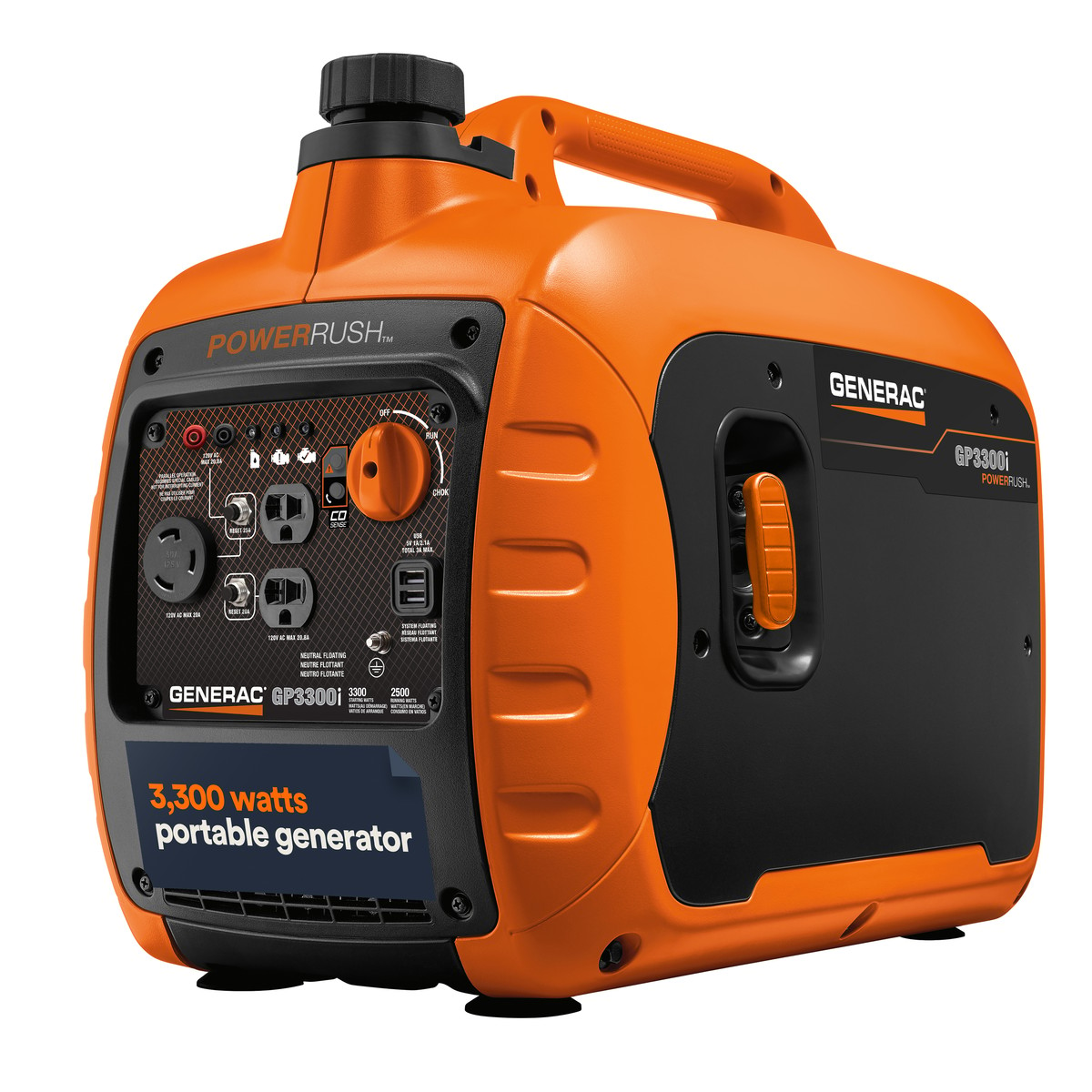
A generator that fails is almost always a generator that showed warning signs first — the problem is most people don't test their generator often enough to notice until it's needed during an actual outage, which is the worst possible time to find out.
Warning signs worth acting on
- Difficulty starting — repeated pulls or cranks needed, especially if it started easily before, often points to fuel system or spark plug issues
- Stalling under load — starts fine but dies when you connect appliances, usually a sign it can't sustain the demand, whether from an aging carburetor, fuel problem, or genuine undersizing
- Unusual noise or vibration — grinding, knocking, or new vibration levels signal a mechanical issue worth diagnosing before it worsens
- Visible fuel or oil leaks — never run a generator with a leak; address it immediately, both for safety and to prevent further damage
- Smoke, especially black or blue — black smoke often means a fuel mixture problem; blue smoke often means the engine is burning oil — both warrant service
- Inconsistent or flickering output — voltage irregularity can damage connected electronics and points to a charging system or voltage regulator issue
Why monthly testing catches problems early
Running your generator under load for 20-30 minutes monthly — not just starting it — is what actually reveals these issues while there's time to schedule a repair, rather than discovering them mid-outage. See our maintenance checklist for the full monthly and annual routine.