

For medical equipment — oxygen concentrators, CPAP machines, powered wheelchairs, dialysis equipment — a generator failure isn't an inconvenience, it's a health risk. Reliability and power quality matter more here than for general home backup.
Clean power matters more for medical devices
Inverter generators produce a cleaner, more stable sine wave than standard open-frame generators — important for sensitive electronics, and specifically recommended by many medical device manufacturers for their equipment. Confirm your specific device's power requirements with its manufacturer before relying on any generator.
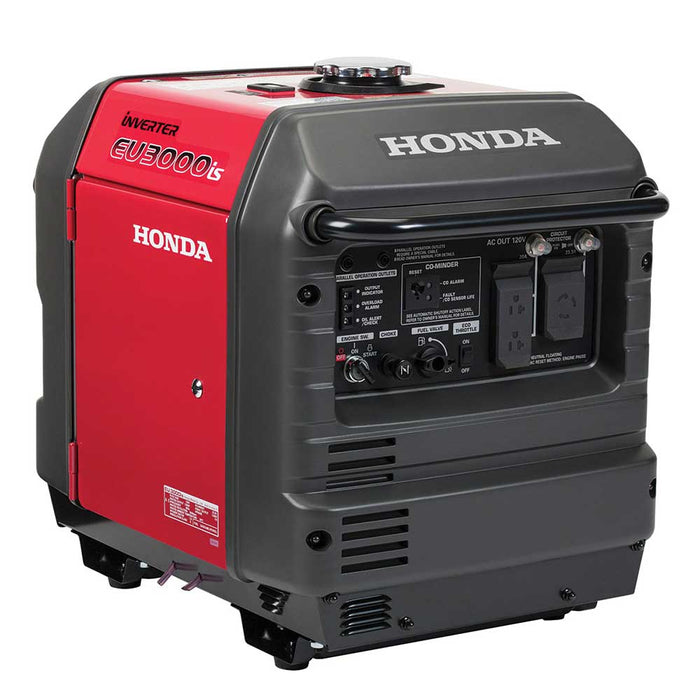
Honda EU3000iS: the reliability-first choice
Honda's commercial-grade engine and reputation for consistent, dependable operation make this the choice for buyers who prioritize minimizing the risk of failure above all else, with enough runtime (up to 19.6 hours at quarter load) to cover an overnight outage without refueling.
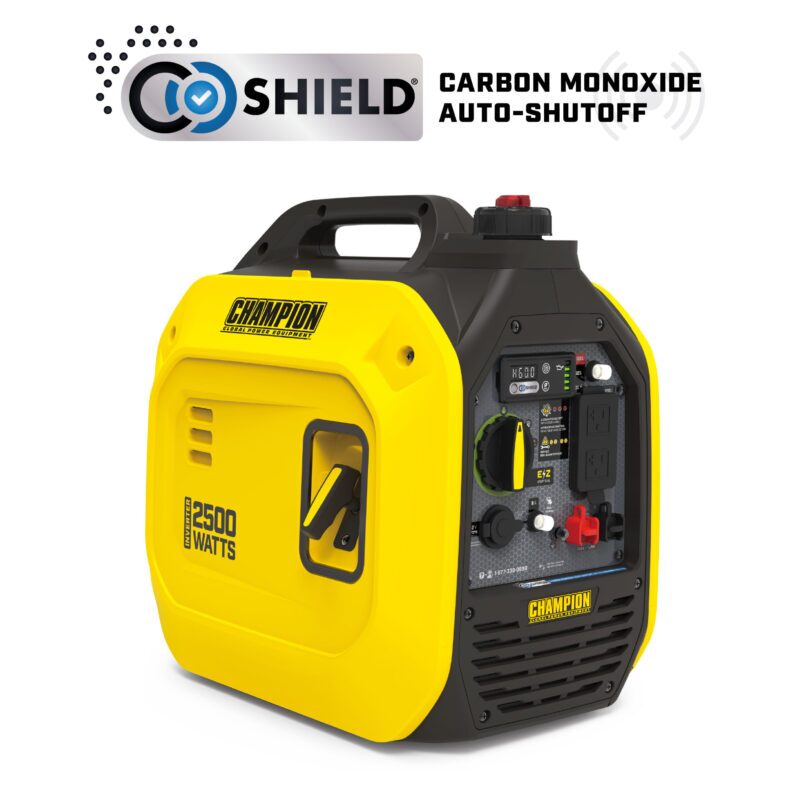
Champion 2500W: a lighter, lower-cost backup option
For lower-draw medical equipment (CPAP, oxygen concentrators under 300W), this smaller, quieter, far less expensive unit is genuinely sufficient — don't overpay for output you don't need, but confirm your device's actual wattage draw first.
Always have a true backup plan
For critical, life-sustaining equipment, a generator alone — subject to fuel availability and mechanical failure — shouldn't be your only plan. Register with your utility's medical baseline or priority restoration program if available, and keep a battery-based power station as a silent, no-maintenance backup to the backup.