

The first hour of an outage and the first morning you realize it's not ending soon call for different responses. Here's the priority order once it's clear you're in for a multi-day event.
First: protect what spoils fastest
Keep the fridge and freezer closed as much as possible — a full freezer holds temperature for about 48 hours unopened, a fridge closer to 4 hours. See our food safety timing guide for exact thresholds before you start deciding what to eat first versus what to toss.
Second: shift into power conservation mode
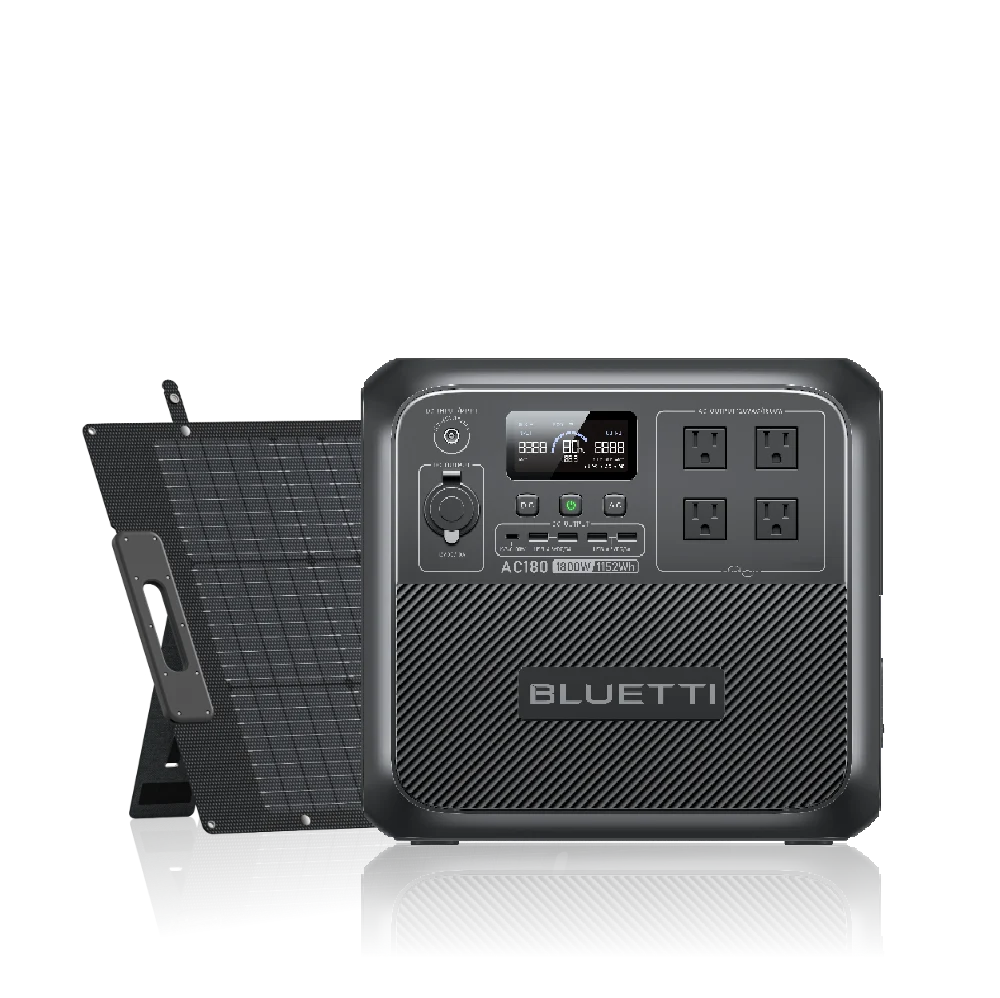
If you have a power station or generator, prioritize the fridge, medical equipment and communication devices over convenience items — a multi-day outage means rationing capacity, not running everything as usual. Charge phones and devices during daylight if you're supplementing with solar.
Third: manage information and communication
- Keep a battery or hand-crank radio for emergency broadcasts if cell towers are affected
- Conserve phone battery for essential calls and check-ins rather than constant scrolling
- Check on neighbors, especially elderly or medically dependent ones, once it's safe to do so
Fourth: manage temperature
In winter, close off unused rooms and layer up before burning through generator fuel or power station capacity on space heating; in summer, stay hydrated and use battery-powered fans over AC where possible. See our winter storm guide for the cold-specific version of this.