

72 hours is the standard baseline emergency agencies recommend households be able to sustain themselves without outside help — it's not arbitrary; it reflects roughly how long it typically takes for utility crews and aid to reach most areas after a major event.
Water: the numbers that matter
The standard baseline is one gallon of water per person per day, covering both drinking and basic hygiene — so a family of four needs a minimum of 12 gallons stored for a 72-hour window. Store it in food-grade containers, rotate it every six months if using tap water, and keep at least a portion in easily portable containers in case you need to evacuate.
Power: sizing for 72 hours, not just "some backup"
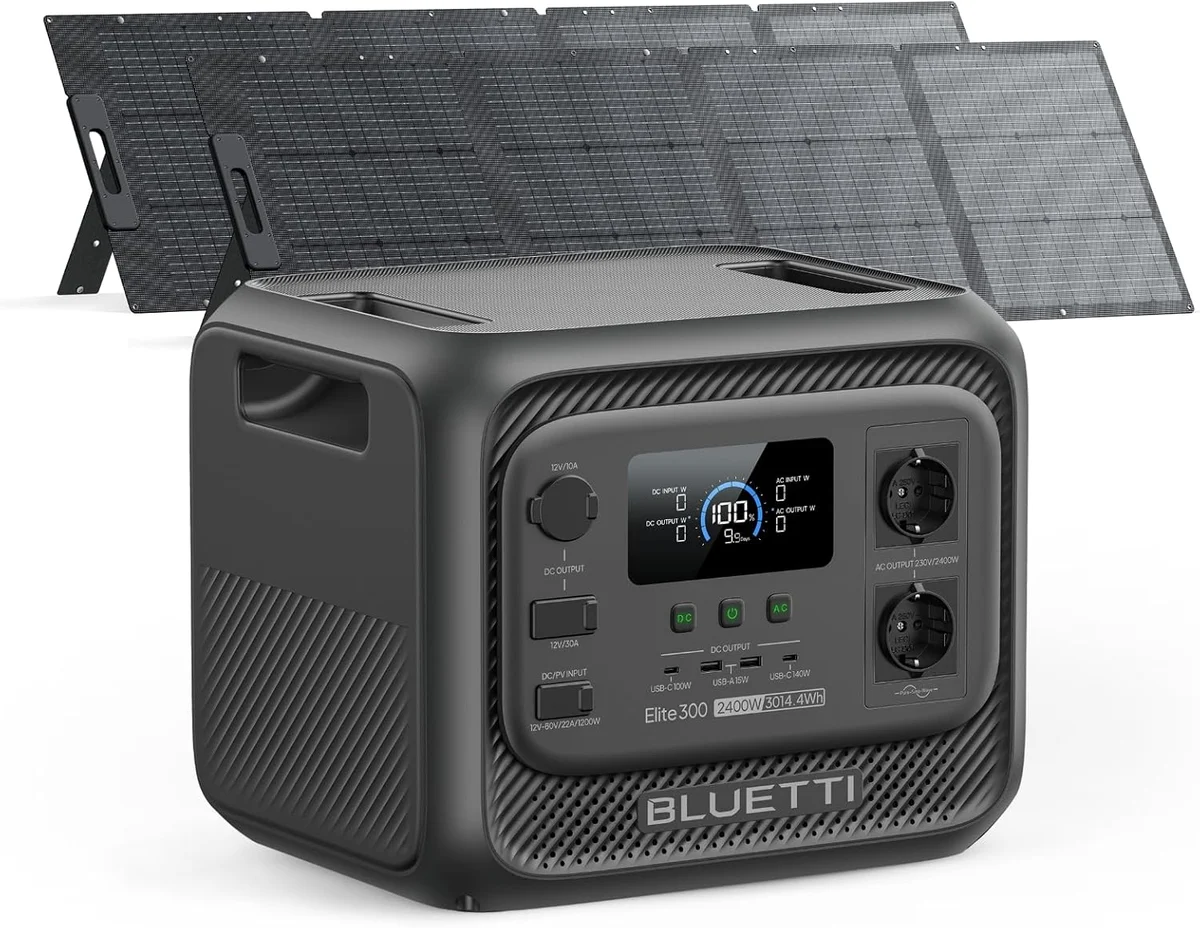
Use our wattage calculator to size against your specific 72-hour essentials list — but as a rough anchor, a fridge, some lights, Wi-Fi and phone charging over 72 hours typically needs 3,000-4,500Wh of total capacity, which points toward either a large power station or a generator with enough stored fuel for that duration.
A combined 72-hour checklist
- 1 gallon of water per person per day, minimum 3 days (12 gallons for a family of four)
- Non-perishable food requiring no refrigeration or cooking, 3 days per person
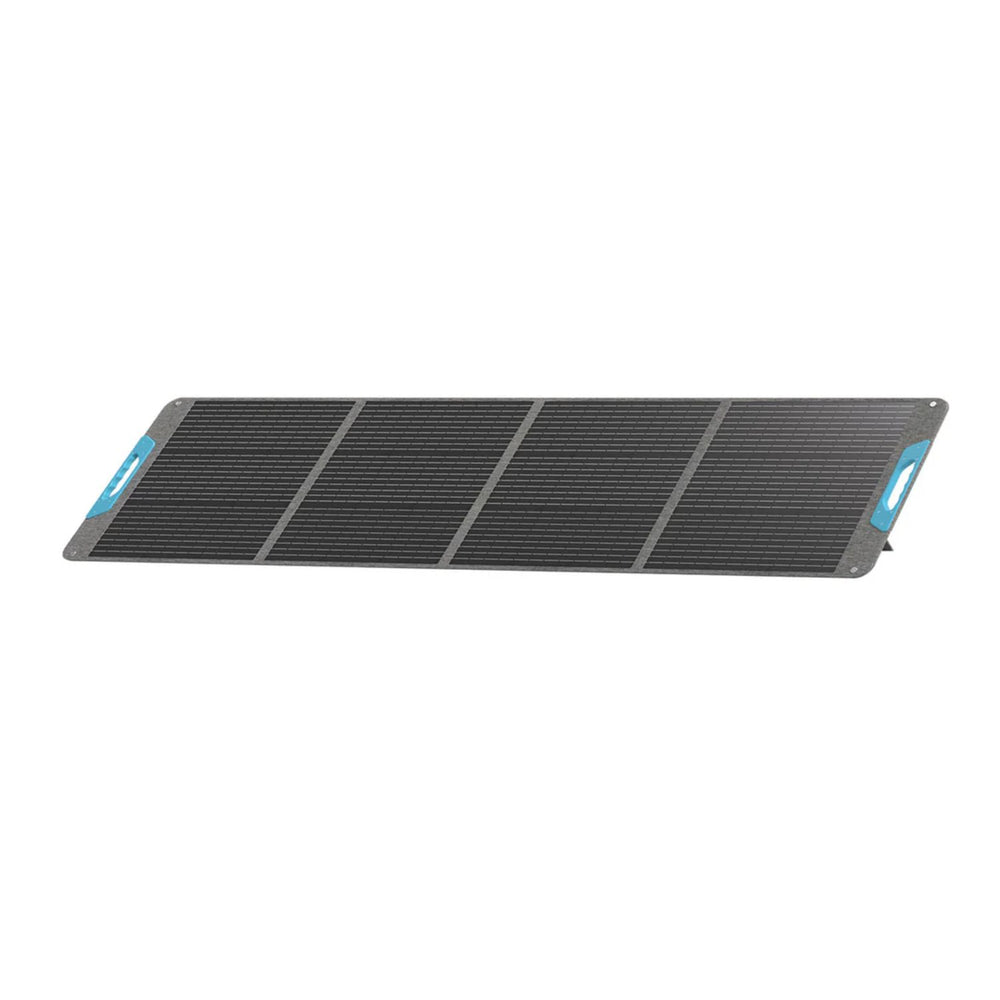
- A power station or generator sized to your essential-circuits wattage for 72 hours — see our power outage checklist for the full list
- A battery-powered or hand-crank radio for emergency alerts if cell service is affected
- A basic first aid kit and any prescription medications for at least 3 days