

A Public Safety Power Shutoff (PSPS) isn't a storm knocking down a line — it's your utility deliberately cutting power to reduce wildfire ignition risk during dry, windy conditions. That difference changes what backup power actually makes sense.
Why PSPS outages are different from storm outages
PSPS events happen precisely during high fire-risk weather: low humidity, strong wind, dry vegetation. That's also exactly the wrong weather to run a combustion generator outdoors — sparks, hot exhaust components and fuel handling all carry more risk during a red flag warning, and some jurisdictions restrict outdoor burning and equipment use under these conditions. PSPS outages can also be called with only a day or two of notice and can last multiple days, so "charge it once you know an outage is coming" leaves little margin.
Battery and solar is the safer default under red flag conditions
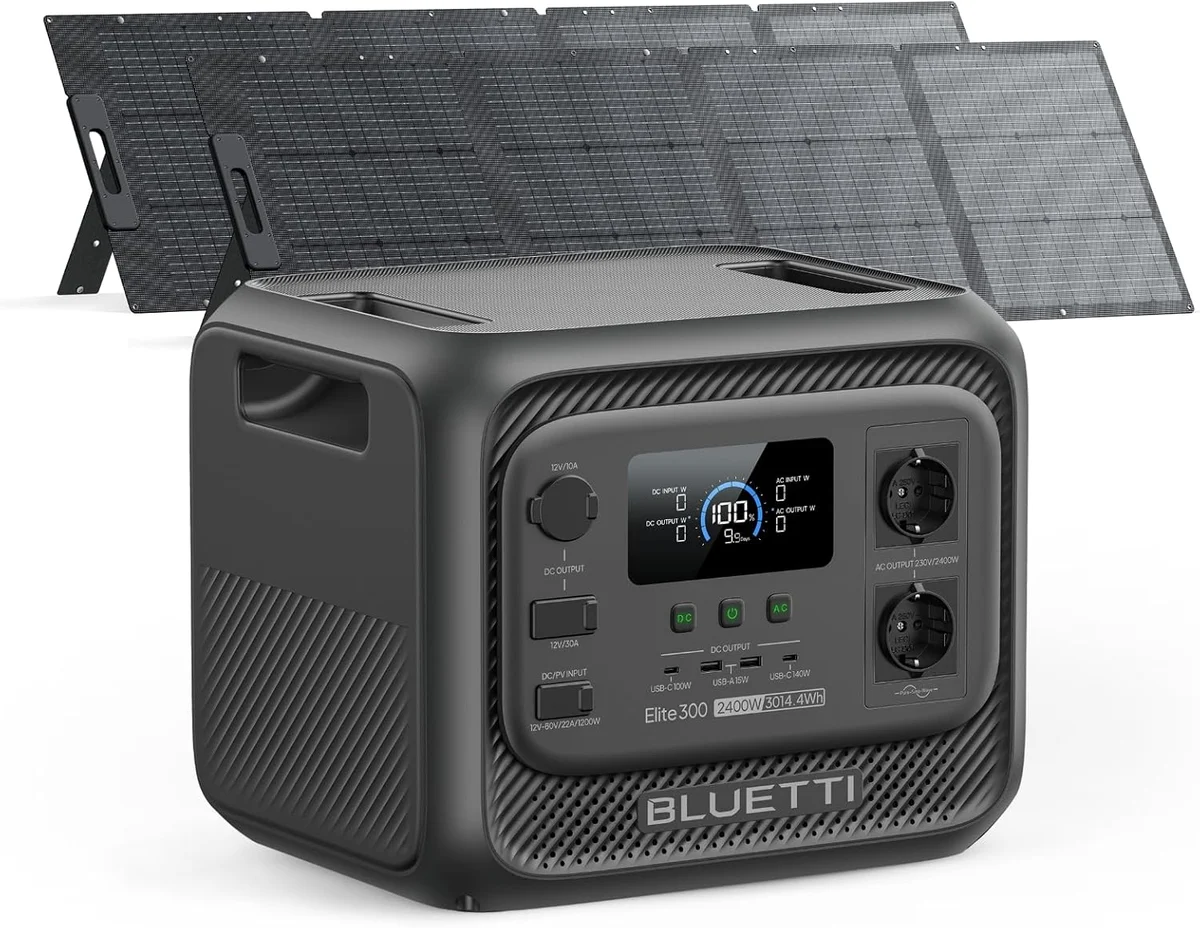
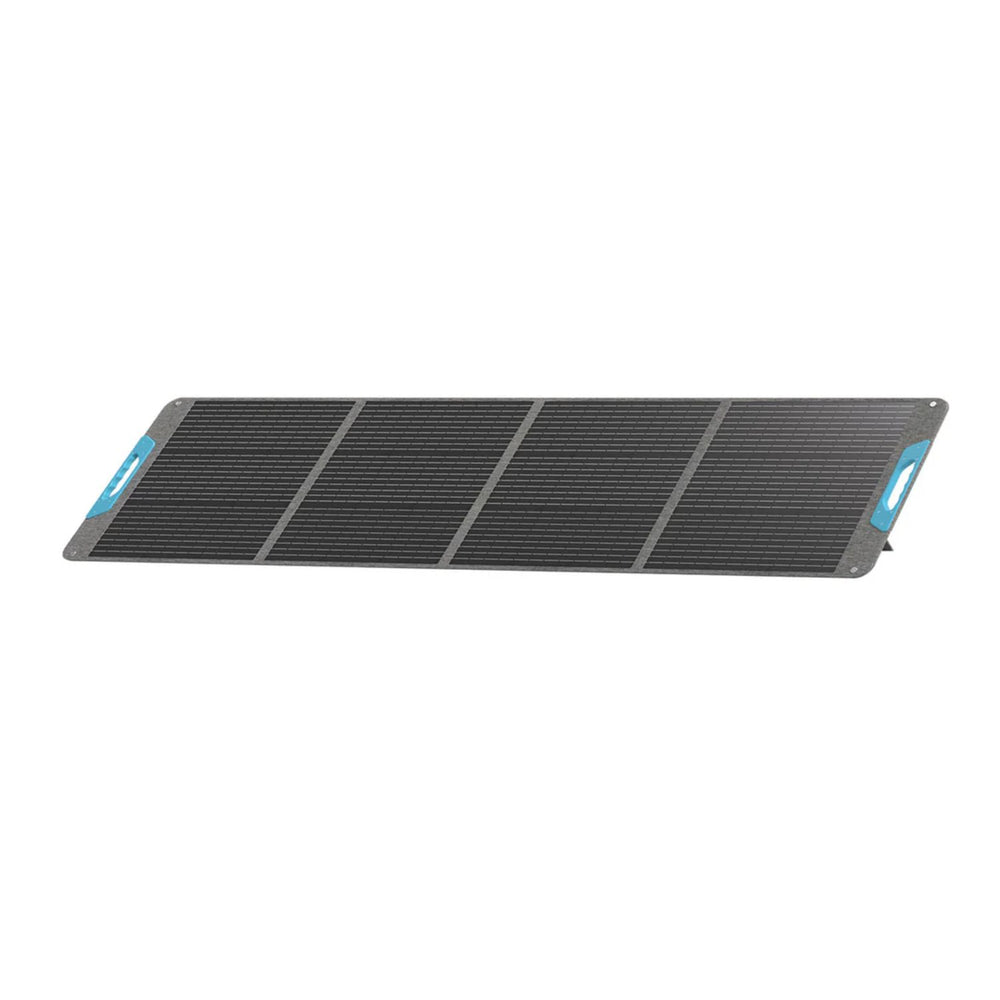
A battery-based power station carries none of the spark or fuel risk of a combustion generator, which makes it the lower-risk choice specifically during the fire-weather conditions that trigger PSPS events. Pairing it with a foldable solar panel means it can recharge through a multi-day shutoff without depending on stored gasoline, which itself is a wildfire-adjacent risk to keep in the garage.
A PSPS-ready checklist
- A power station sized for at least 24-48 hours of your essential loads — see our wattage calculator
- A foldable solar panel matched to your station's solar input, for shutoffs that run past your battery reserve
- A battery-powered or solar lantern set — see our emergency lighting guide
- A go-bag with the power station pre-charged, kept near an exit — PSPS notice periods can be short
- A backup way to reach evacuation alerts if cell towers are affected: a battery-powered NOAA weather radio
If you also own a generator
Keep it as a secondary option, not primary, during red flag conditions specifically — follow your utility and local fire authority's guidance on generator use during an active PSPS, and always run it well clear of dry vegetation with a spark-arresting muffler if required locally.